What Evidence Helps Prove Nursing Home Abuse?
8 min read
1550 words
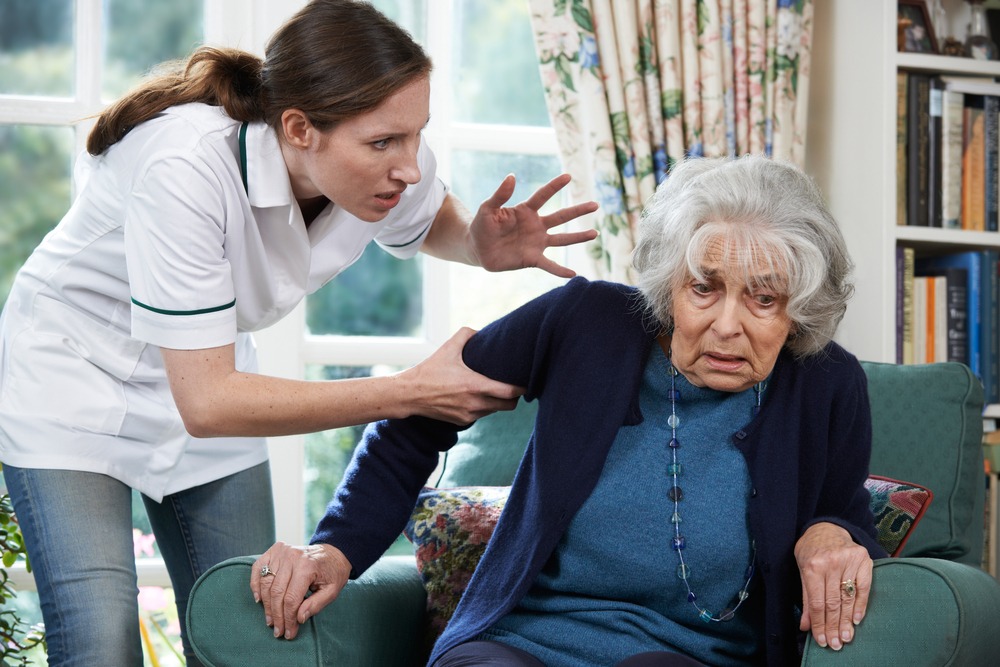
Elder abuse is not something that is easily noticeable. An investigation by the National Council on Aging reveals that among people aged 60 and older, as many as one in ten are victims of elder abuse. The correct percentage could be much larger since most of the incidents remain unreported. By way of example, those living in nursing homes stand the highest risk of abuse and mistreatment at the hands of their caregivers. Nursing home abuse is often difficult to identify because many residents depend on caregivers for assistance with daily activities, medication, mobility, and personal care. Abuse may involve physical harm, neglect, emotional mistreatment, financial exploitation, or failing to provide the basic level of care required. Recognizing the warning signs early can help protect vulnerable residents and ensure they receive the support they deserve.
Under-reporting may be a result of residents possibly worrying about retaliation. Some people also have limited mental ability to speak up, or there might not be family members who show up often enough to notice small changes early on.
Making a legal case about nursing home abuse is an evidence-heavy task. But learning how to prove nursing home abuse is important when faced with the unfortunate circumstance of fighting for your rights. A claim’s true power usually lies in the depth and quality of the evidence that accompanies it and whether or not key facts are kept before the institution can make any modifications or attempts to conceal them.
Let’s examine the pieces of proof that can help uncover nursing home abuse.
Medical Records Are the Most Important Evidence Category
Medical records are the documentary backbone of a claim for nursing home abuse. They are also the records the facility is most likely to alter or selectively document after someone files a complaint.
These records provide important details about the resident’s condition, treatments received, medications provided, and changes in health over time. In many nursing home abuse cases, medical documentation helps establish whether injuries, illnesses, or declines were properly addressed by the facility.
What to Request Immediately
Under the Health Insurance Portability and Accountability Act (HIPAA), specifically 45 C.F.R. § 164.524, a resident or their authorized representative can ask for access to their whole medical record. A response to this request must be made within thirty days of the request.
Request a comprehensive report that includes nursing notes, treatment orders, medication application records, assessment logs, a food diary, and, if applicable, the procedure of limiting patients’ activity or drugs. The absence of such records can be a cause of adverse interference arguments.
Obtaining complete medical documentation is one of the most important steps when investigating suspected nursing home abuse. Missing information, inconsistent entries, or gaps in documentation may raise questions about whether the facility properly provided care or attempted to hide mistakes.
Patterns That Indicate Neglect or Abuse
Unaccounted weight reduction, frequent urinary infections, and repeated pressure sores substantiate claims of neglect.
Medication errors can be another sign. MAR records can help identify certain types of inaccuracies such as wrong doses, missed doses, or administering medicine to the wrong patient.
These records make the harm visible, but whether the facility’s conduct caused it is a separate question the evidence still has to establish.
In cases involving nursing home abuse, documentation can help connect the resident’s injuries or decline with possible failures in care. While one incident may not always prove negligence, repeated concerns can reveal a larger pattern that requires investigation.
Internal Facility Records Families Rarely Know to Request
Beyond the usual medical chart, nursing homes keep operational records that hardly ever make it into public guidance. Even so, these documents still hold real evidentiary value when there’s litigation.
Daily staffing schedules, timesheets, and agency logs are relevant and can be requested when necessary. Staffing records such as daily staffing sheets, payroll data, and agency staff logs are used to show how the facility was actually staffed on the specific days at issue.
The current federal requirement requires a registered nurse onsite at least 8 hours a day, 7 days a week, and enough staff to meet residents’ needs.
If there were staffing shortfalls on the day of the incident, that situation is directly tied to whether the facility’s negligence helped bring about the harm.
Staffing shortages are often examined in nursing home abuse investigations because inadequate staffing may affect medication management, supervision, response times, hygiene, nutrition, and overall resident safety.
Staff training records show whether the employee involved in the abuse received required abuse prevention training and whether the facility conducted the background checks required under state law.
Grievance logs document prior complaints by the resident or family members that the facility received and failed to act on. Employee disciplinary records, while not always obtainable outside of litigation, can establish that the facility was aware of a problem employee before the abuse occurred.
Facilities do not routinely provide these records in response to a medical records request. Obtaining them typically requires a formal legal hold letter, a state regulatory complaint, or civil discovery.
The window for preserving them is short. Some facilities overwrite electronic staffing systems on short cycles, and facilities may purge paper records on whatever schedule their internal policy allows.
Physical and Photographic Evidence
Families should obtain visual documentation of injuries as soon as they suspect abuse. Photographs of all visible injuries should have a date and time stamp. It should also have a reference object for scale. Serial photographs taken over several days document how injuries evolve, which helps establish whether the injury is consistent with the facility’s explanation.
Photographs of the resident’s living environment, including the condition of bedding, personal items, call light accessibility, and any hazardous conditions, add further context to your case. Video recordings during visits can produce substantial evidence in cases of nursing home abuse.
Visual evidence can help show conditions that may not be fully captured in written records. In a nursing home abuse claim, photographs and videos may provide important details about injuries, living conditions, and whether the explanation provided by the facility matches what is visible.
Many states have already enacted laws that expressly allow residents or families to install monitoring cameras in nursing home rooms. The National Conference of State Legislatures is tracking which states put these statutes in place and also what notice requirements apply, depending on where you are.
In states with camera permission laws, footage from a room camera has been decisive evidence in both regulatory proceedings and civil litigation.
Video evidence can be especially valuable because it may show events that would otherwise rely only on witness statements or facility documentation. However, families should understand the laws in their state before installing monitoring equipment.
Regulatory Complaints and How They Factor Into a Civil Claim
Filing a complaint with the state agency that licenses and inspects nursing homes sets off an investigation and generates an independent record. Families often use substantiated findings from that state investigation as evidence in a civil claim.
The Older Americans Act established the Long-Term Care Ombudsman program, which provides another path for reporting and advocacy. The ombudsman’s role is to be the advocate for residents and help families work through the complaint process.
Regulatory complaints can be an important step when concerns about nursing home abuse arise. They create documentation of the reported concerns and may result in investigations that uncover additional information about the facility’s practices.
Regulatory complaints do not take the place of a civil claim, and the two tracks run on their own. Facilities that received a deficiency citation are not automatically liable in a civil case, and a civil case does not require a prior regulatory finding.
But the records produced by regulatory investigations, including investigator notes, interview summaries, and facility responses, become discoverable in litigation and frequently contain admissions or findings that substantially strengthen a family’s case.
The Importance of Preserving Evidence in Nursing Home Abuse Cases
Evidence can become more difficult to obtain as time passes. Records may be changed, memories may fade, and important documentation may no longer be available. Families who suspect nursing home abuse should consider taking steps quickly to preserve information and document concerns.
Keeping copies of medical records, photographs, communication with staff, complaint reports, and notes about changes in a resident’s condition can help create a clearer timeline of events.
A successful nursing home abuse claim depends on showing what happened, how the facility failed to provide appropriate care, and how that failure affected the resident. Strong evidence allows families and legal professionals to better understand the situation and determine what actions may be available.
Final Thoughts on Proving Nursing Home Abuse
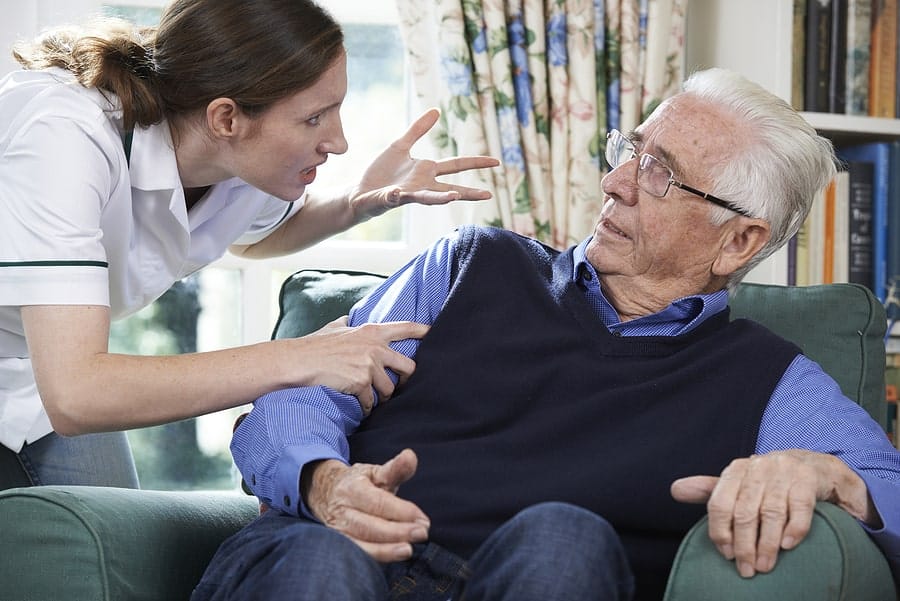
Proving nursing home abuse requires careful documentation, attention to detail, and a thorough review of the evidence available. Medical records, facility documents, photographs, staffing information, and regulatory findings can all play a role in revealing whether a resident received the standard of care they deserved.
Families often notice the first signs that something has changed. A new injury, unexplained decline, changes in personality, or concerns about care should not be ignored. Asking questions, documenting concerns, and seeking appropriate guidance can help protect vulnerable residents.
Understanding how to prove nursing home abuse gives families the knowledge needed to advocate for their loved ones and ensure their rights are respected.