
4 min read
790 words
It starts with a simple click. You’re browsing your favorite online store, and a tempting offer appears: “Split this into four easy payments.” It feels harmless. It feels like smart budgeting. But for millions of shoppers, this convenience is slowly becoming a buy now, pay later debt trap. What feels like a helpful tool at checkout can quickly turn into a cycle of stacked payments and mounting anxiety. Most people don’t realize how easily these small, fragmented charges can spiral out of control.
What Buy Now, Pay Later Really Is
Buy Now, Pay Later (BNPL) services like Klarna, Afterpay, and Affirm act as a digital form of an installment loan. Instead of paying the full price upfront, you pay a fraction—usually 25%—and take the item home immediately.
The remaining balance is scheduled to be deducted from your account over several weeks or months. While it looks like an interest-free way to shop, it is still a form of debt. If the payment schedule isn’t managed perfectly, those “easy” payments can become a major headache.
Why BNPL Feels Safe (But Isn’t)
BNPL providers have perfected the art of “frictionless spending.” By removing the immediate pain of paying the full price, they encourage us to spend more than we normally would.
Because the payments are small and split up, our brains don’t register them as “real” spending. This psychological trick makes overspending with BNPL incredibly common. You aren’t just buying one item; you’re subscribing to a future version of your own paycheck that is already spent.
The Hidden Risks of BNPL Debt
The hidden risk lies in the fragmentation of your finances. When you have three different items from three different stores on three different payment schedules, it becomes nearly impossible to track your actual outflow.
Financial experts warn that this “salami slicing” of your income can lead to significant cash flow issues. You might have enough for one payment, but when four different BNPL services hit your bank account on the same day, you could be left with an overdraft fee or a defaulted account.
How BNPL Can Affect Your Credit Score
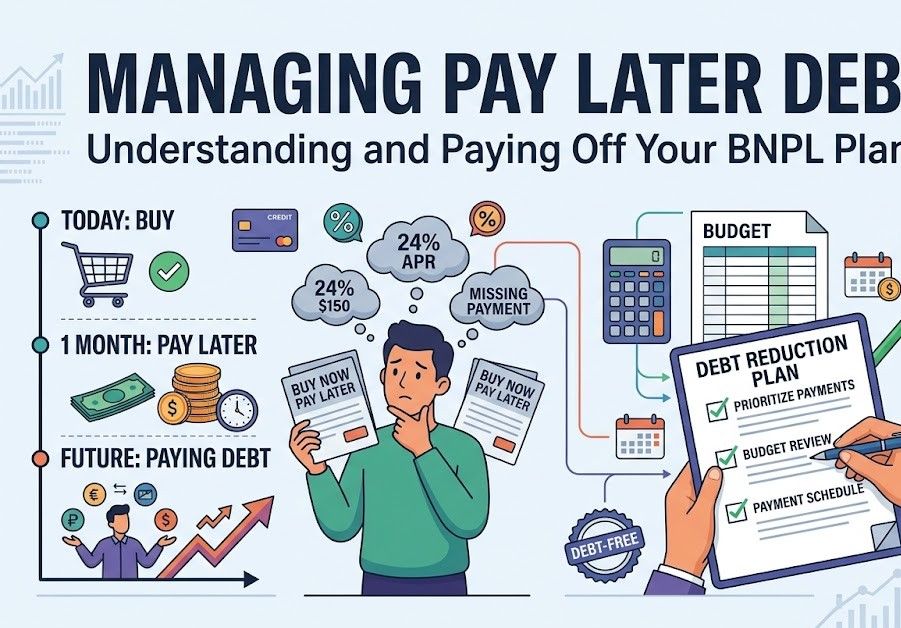
Many users assume that because these services aren’t traditional credit cards, they don’t impact their credit. They are often wrong.
While some BNPL services don’t report on-time payments, most will report missed or late payments to credit bureaus. Affirm credit impact and other similar services can stay on your record for years. Even if they don’t report your usage, some lenders now scrutinize multiple BNPL accounts as a sign of financial instability when you apply for a mortgage or a car loan.
Warning Signs You’re Overusing BNPL
Are you in a debt trap? Watch for these red flags:
- You constantly have to check your bank balance to see if a payment is about to go through.
- You are using one BNPL service to pay off the balance of another.
- The total of your “small payments” equals more than 10% of your take-home pay.
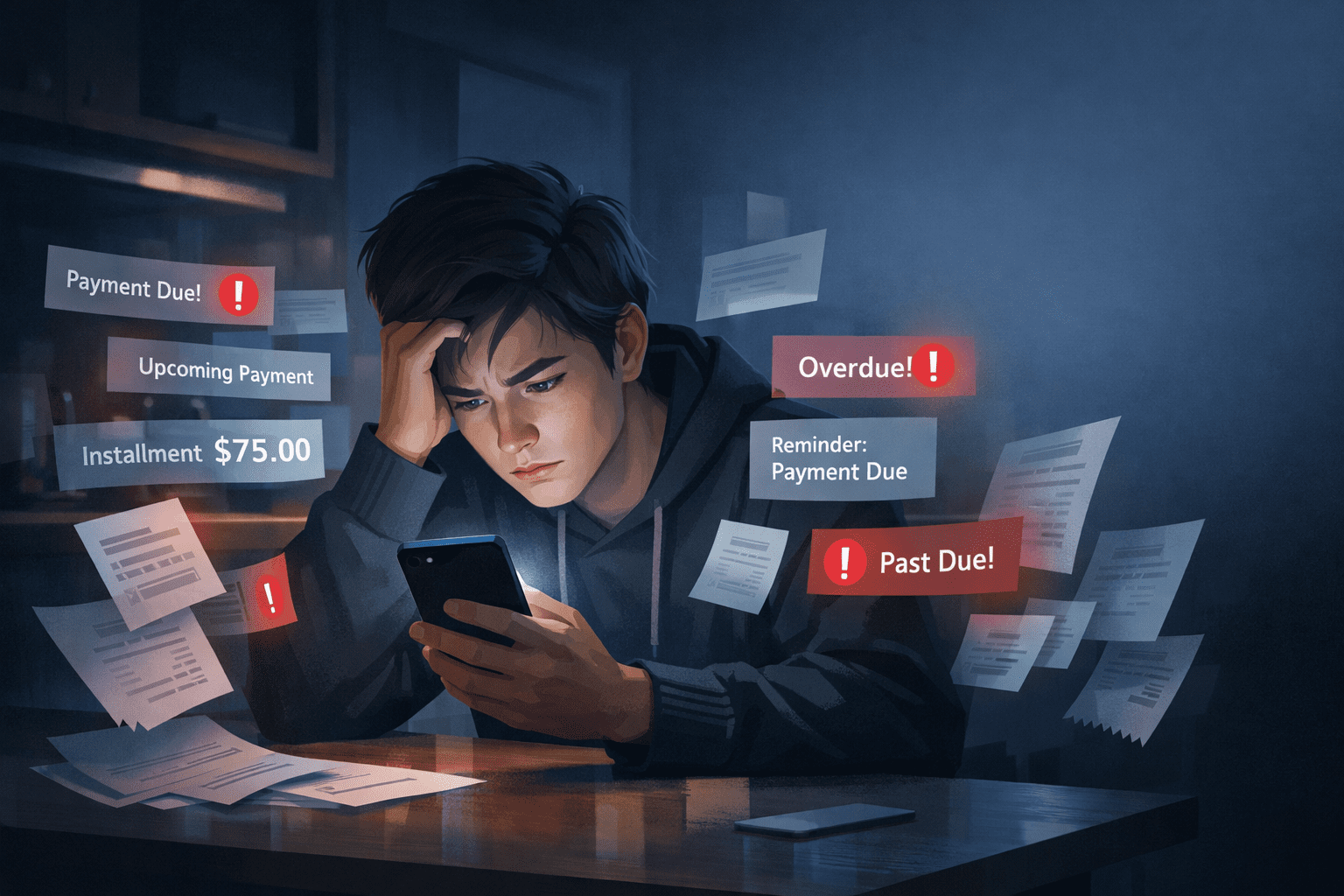
- You feel a sense of dread when you receive “payment due” notifications.
If this sounds like your current situation, it’s time to hit the brakes. Many users report that the initial thrill of the purchase is quickly replaced by the stress of juggling dates and deadlines.
Smart Ways to Avoid BNPL Debt Traps
You don’t have to swear off shopping forever, but you do need to regain control. Here’s how to safely navigate the BNPL risks:
- Treat it like a credit card: Keep a master list of every payment due date and amount.
- Use a dedicated account: Use a secondary bank account for BNPL payments to ensure you never accidentally dip into your rent or grocery money.
- The “One at a Time” Rule: Never have more than one open BNPL plan at a time.
- Wait 24 Hours: Before choosing the instalment option, wait one full day. If you still want the item, pay for it in full if you can.
Safer Alternatives to Buy Now, Pay Later
If you find yourself relying on BNPL to make ends meet, it’s time to move toward more sustainable habits. The safest approach to shopping involves establishing an old-fashioned sinking fund, where you accumulate funds for a purchase over a period of months.
If you need to make a large, necessary purchase, consider a low-interest personal loan or a credit card with a set payoff plan. Unlike many BNPL services, these offer more transparency and clear interest structures.
In conclusion: Convenience should never come at the cost of your peace of mind. By recognizing the buy now, pay later dangers early, you can protect your bank account and your long-term financial health. Don’t let a “small payment” become a massive money mistake.
 Leo Allen
  Victoria Jain
  Kayla Baptiste