
5 min read
975 words
Regular veterinary checkups are one of the most important ways to support your pet’s long term health. Even the most attentive pet owners cannot always spot early signs of illness or discomfort. Routine wellness exams help identify potential issues before they become serious and give pets the preventative care they need to stay comfortable and active. With the right schedule and a proactive approach, checkups become a foundation for lifelong wellbeing.
Preventative Care as the First Line of Protection
Preventative care is the key to minimizing health problems throughout a pet’s life. Regular checkups allow veterinarians to examine the heart, lungs, eyes, ears, teeth, skin, and overall body condition. Early detection often leads to simpler treatments and faster recovery. Many conditions such as dental disease, arthritis, and nutritional imbalances develop slowly over time. When professionals monitor these changes regularly, they can recommend small adjustments that prevent bigger issues. Groomers who work closely with pets, such as those at dog groomers in Key Biscayne, FL, also notice early signs of discomfort or skin problems, making routine care even more valuable.
Monitoring Weight and Nutritional Balance
Maintaining a healthy weight is essential for preventing a range of health problems, including diabetes, joint strain, and heart disease. During checkups, veterinarians assess your pet’s weight and overall body condition. Even minor gains or losses may signal underlying concerns. Nutrition recommendations often change as pets transition through different life stages. Puppies and kittens need high energy diets to support growth, while adult pets need balanced nutrition to maintain lean muscle. Senior pets may require specialized diets to support mobility or kidney function. Regular checkups ensure that dietary needs evolve correctly with age and health status.
Vaccinations and Disease Prevention
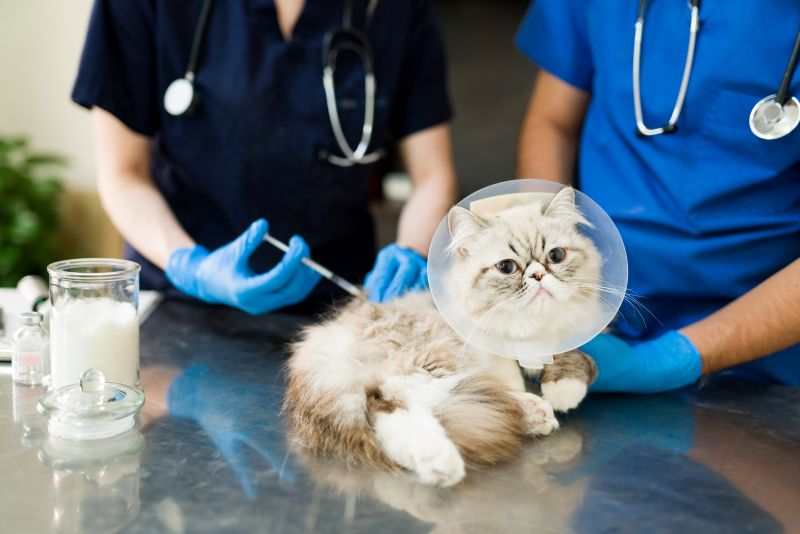
Vaccinations are a core part of protecting pets from preventable diseases. Annual or semiannual checkups allow veterinarians to update vaccinations based on age, health, lifestyle, and regional risks. Pets who socialize frequently, visit boarding facilities, or explore outdoor environments may require additional protection. Checkups also ensure vaccine schedules remain accurate, preventing lapses that leave pets vulnerable. Vaccination plans are personalized to keep pets safe without unnecessary treatments, supporting both health and comfort.
Dental Exams to Protect Long-Term Health
Dental health is often overlooked, yet it influences the entire body. Plaque buildup, gum inflammation, and tooth decay can lead to pain, infection, and difficulty eating. More serious cases may affect the heart, kidneys, or liver. Routine dental exams during checkups help prevent these complications. Veterinarians may recommend dental cleanings, at home brushing routines, or diet adjustments to support oral health. Early action prevents tooth loss and maintains a more comfortable quality of life.
Monitoring Mobility and Joint Health
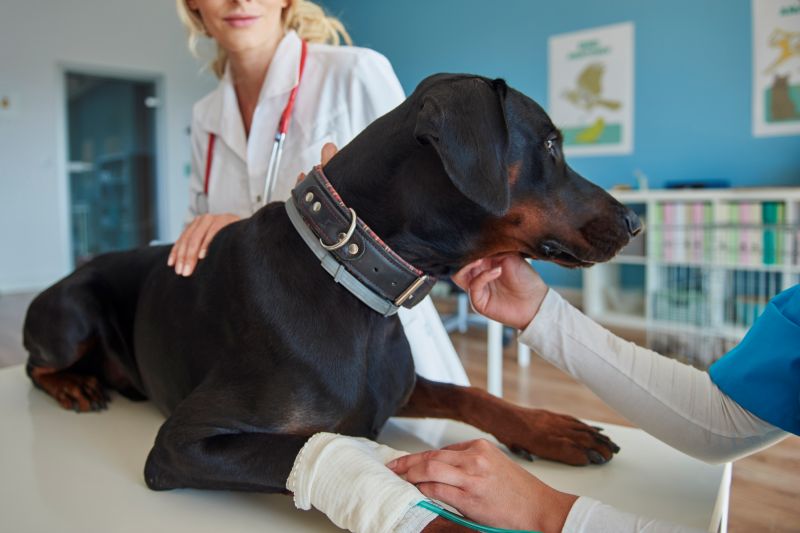
Joint health becomes increasingly important as pets age. Even younger pets can develop joint discomfort from injury, genetics, or overexertion. Veterinarians assess gait, posture, and joint flexibility during routine exams. Early detection allows for simple interventions such as weight management, supplements, or modified exercise routines. Long term monitoring helps prevent joint deterioration and supports comfortable movement throughout life. Senior pets especially benefit from regular joint evaluations to maintain mobility and independence.
Parasite Control and Seasonal Protection
Parasite prevention must remain consistent throughout the year. Fleas, ticks, heartworms, and intestinal parasites pose risks that vary by season and location. During checkups, veterinarians evaluate your pet’s exposure levels and recommend the most effective preventatives. These medications protect both the pet and the household from pests and disease. Skin evaluations during grooming sessions also contribute to early detection. Groomers familiar with local conditions, like dog groomers, often identify early signs of flea activity or skin irritation that may require veterinary attention.
Behavioral Assessments and Emotional Wellbeing
Behavioral health is a significant part of overall wellbeing. Changes in mood, energy, or temperament often indicate underlying issues. Anxiety, fear, aggression, and sudden behavior shifts may be connected to pain, illness, or environmental stress. During checkups, veterinarians discuss behavior concerns and offer guidance on training, enrichment, and anxiety management. Addressing emotional needs is essential for maintaining a well rounded, healthy pet. Early behavioral intervention prevents long term stress and strengthens the bond between pets and their families.
Senior Pet Care and Age-Related Changes
As pets age, their needs change dramatically. Senior pets often require more frequent checkups to monitor organ function, joint health, cognitive changes, and mobility challenges. Bloodwork, urine tests, and diagnostic screenings help identify age related conditions early. Many pets experience gradual declines that can be supported through medication, dietary adjustments, or lifestyle changes. Regular monitoring ensures that senior pets remain comfortable and active during their later years.
Building Trust Through Routine Exams
Routine checkups help pets feel more comfortable with veterinary environments. When visits are consistent, pets become more familiar with the sights, sounds, and smells of the clinic. This reduces stress, improves cooperation, and makes future visits smoother. Regular interaction with veterinary teams helps build trust, making pets more receptive to exams and treatment. For owners, these visits provide peace of mind and ongoing reassurance about their pet’s health.
Creating a Long-Term Wellness Partnership
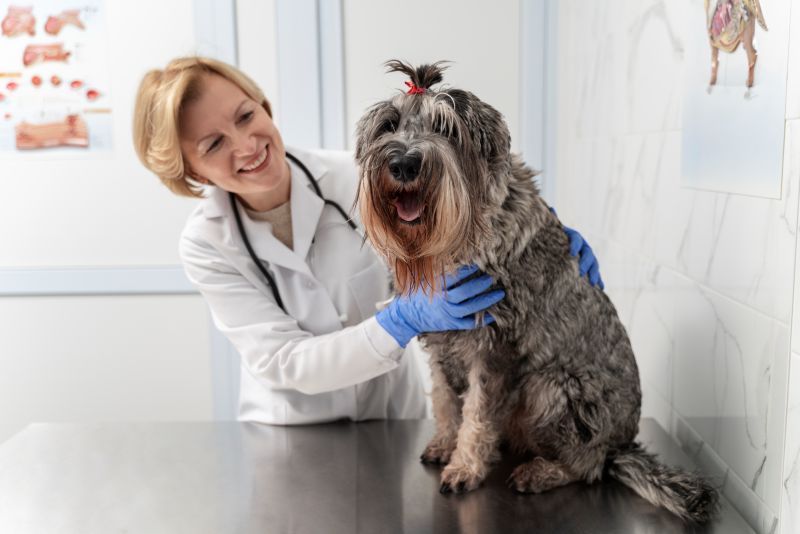
Veterinarians become partners in your pet’s wellness journey. Through consistent checkups, they gain a full understanding of your pet’s history, personality, and health patterns. This knowledge allows them to offer personalized recommendations that evolve as your pet grows. Regular communication helps owners stay informed and confident in the care they provide. With a strong partnership, pets receive comprehensive support that promotes lifelong health.
Conclusion
Regular checkups are essential for maintaining your pet’s wellbeing. These visits support early detection, preventative care, nutritional balance, dental health, and emotional stability. With guidance from veterinary professionals and support from skilled groomers, pets receive the consistent care they need to stay healthy year after year. Routine wellness exams create a foundation for long term comfort, vitality, and a happy life shared with the people who love them most.
 Hailey Reynolds