
6 min read
1141 words
Observing a dog in a vest at the airport or in a hospital setting may have prompted you to ask: Is that a service dog? A therapy dog? What’s the difference?
Service dogs and therapy dogs both offer incredible human support, yet their roles, training, and legal rights differ vastly. Recognizing these differences is vital, whether you need help with a medical condition, plan to train your dog, or just want to navigate public spaces.
This guide breaks down the differences, explores where therapy dogs work, and looks at the growing trend of pet therapy in Canada.
Service Dogs vs. Therapy Dogs: What’s the Difference?
The key difference is found in their jobs and the legal rights they possess.
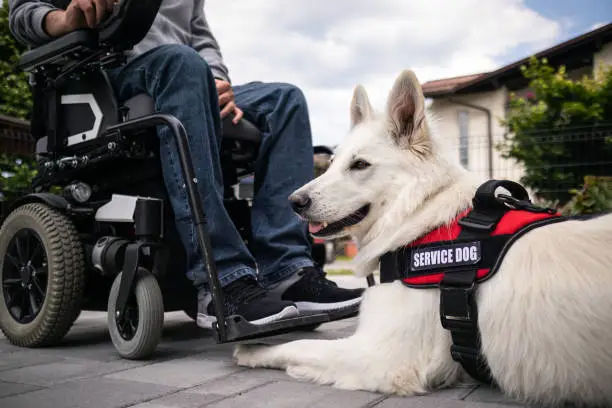
Service Dogs: Medical Assistance on Four Legs
A service dog has one job: to help a person with a health need. Under Canadian law, these dogs are working animals, not pets. They stay by their owner’s side to keep them safe.
What They Do:
They can guide the visually impaired, alert Deaf individuals to sounds, retrieve items for those with mobility issues, detect seizures before they happen, or interrupt panic attacks in those with PTSD.
Where They Go:
Service dogs have the right to go where the public goes. This includes shops, planes, and cafes.
Breed & Size: There is no restriction on breed, but the dog must be physically able to perform the required tasks. Size and temperament are critical factors.
Therapy Dogs: Comfort for the Community
Therapy dogs offer emotional and psychological support to people in places such as hospitals, schools, and nursing homes.
- Tasks: Their job is simply to be calm, friendly, and affectionate. They offer comfort to reduce stress and anxiety in others.
- Public Access: They only enter facilities by invitation for specific visits. They do not have the right to enter “no pets allowed” establishments outside of their scheduled visits.
- Certification: Therapy dogs are typically personal pets that have passed rigorous temperament tests and obedience training through organizations like Pet Partners or St. John Ambulance.
Can My Dog Become a Therapy Dog?

Many pet owners often ask themselves if their friendly pet has what it takes to become a therapy dog. Although it can be a fulfilling experience, not every dog is cut out for this job.
Key Requirements:
- Temperament is Key: Your dog needs to be very calm, confident, and friendly. They shouldn’t react to loud sounds, medical tools, or other animals.
- Obedience: Your dog must have reliable recall and impulse control. They should be able to ignore dropped pills, food, and medical equipment.
- Health: Your dog should be well-groomed, free from parasites, and current on vaccinations.
- No Aggression: Even slight reactivity or too much shyness can prevent a dog from being suitable for therapy work.
If your dog enjoys meeting new people and stays calm in stressful situations, they could be an ideal candidate for therapy work.
Where Therapy Dogs Are Used in Canada
The demand for therapy dogs is expanding beyond hospitals. In Canada, these canine companions are making a difference in various environments:
- Hospitals and Hospices: Providing comfort to patients undergoing long-term treatment or end-of-life care.
- Schools and Universities: “Reading with Dogs” programs help children improve literacy skills by reading aloud to a non-judgmental listener. During exam seasons, universities bring therapy dogs to campuses to reduce student stress.
- Courtrooms and Legal Settings: In some Canadian provinces, therapy dogs support child witnesses during testimony, helping to reduce trauma.
- Workplaces: Corporate wellness programs are increasingly inviting therapy dogs for “puppy breaks” to boost morale and lower blood pressure.
- Disaster Relief: Following traumatic events, therapy dogs are deployed to comfort first responders and affected communities.
Why Pet Therapy Is Growing Rapidly in Canada
Canada is witnessing a surge in the popularity of pet therapy, driven by a growing body of scientific research and shifting cultural attitudes toward mental health.
1. Evidence-Based Benefits Studies have shown that interacting with therapy dogs can lower cortisol (stress hormone) levels and increase oxytocin (the bonding hormone). This physiological response helps reduce anxiety and blood pressure without medication.
2. Focus on Mental Health As Canada prioritizes mental health initiatives, therapy dogs offer a complementary, non-pharmaceutical intervention. They are increasingly recognized as vital tools in treating depression, PTSD, and autism spectrum disorders.
3. Accessibility in Education Canadian schools are integrating therapy dogs to support students with learning disabilities and emotional regulation, recognizing that emotional well-being is a prerequisite for academic success.
Why So Few Dogs Actually Qualify as Service Dogs

Although therapy dogs are becoming increasingly popular, genuine service dogs are still quite uncommon. This is mainly because of the extremely high standards needed for service work.
1. Extensive Training: A service dog needs 1 to 2 years of specialized training, which can cost tens of thousands of dollars. They have to learn to ignore distractions and concentrate solely on their handler, even in busy settings.
2. Specific Temperament: Not every dog has the right personality. Service dogs need to be eager to please yet confident enough to work on their own. Traits like fearfulness, reactivity, or a strong prey drive disqualify them immediately.
3. Health and Longevity: Service dogs must be in excellent physical condition. Issues like hip dysplasia or chronic illnesses can end their career before it even starts. Because of the significant investment of time and resources, organizations are very selective, accepting only a small percentage of dogs that enter training programs.
The Real Cost of Owning a Service Dog
The financial commitment of a service dog is significant, and it’s a factor many people overlook.
- Purchasing a Dog: The cost of a prospect (a puppy or young dog bred for service work) can range from $2,000 to $5,000.
- Training: Professional organization-trained dogs can cost between $15,000 and $50,000 due to the years of specialized instruction required. Owner-training is less expensive upfront but still requires professional guidance, costing $5,000 to $15,000 in classes and equipment.
- Veterinary Care: While working, the dog must be in optimal health. Annual vet costs, preventative medications, and emergency funds add up.
- Daily Care: High-quality food, gear (harnesses, boots), and grooming supplies contribute to the ongoing expense.
While the cost is high, for many Canadians, the independence and safety a service dog provides are priceless.
Conclusion
These dogs play a big part in our world. Some save lives as service dogs. Others bring peace as therapy dogs. When we know the difference, we show respect for the work they do and the rights they have.
If you want to help: Does your dog have a calm heart? You can reach out to a group near you to start the tests for therapy work.
If you need help: Do you need a service dog? Make sure you find a top trainer or group to help you find the right dog for your needs. A good partner is the key to a safe and happy life.
 Hannah Clare
  Hailey Reynolds