
8 min read
1427 words
Spring is a time of renewal, warmer weather, and blooming flowers. For dog owners, however, it also signals the arrival of “the furpocalypse.” If you’re finding tumbleweeds of hair rolling across your living room floor, you aren’t alone. Seasonal shedding is a natural biological process, but that doesn’t mean you have to surrender your home to the fur. Understanding why your dog sheds and implementing the right routine can make a massive difference. If you are wondering how to reduce spring shedding in your dog, this guide covers everything from nutrition to grooming techniques that actually work.
Why Do Dogs Shed More in Spring?
Before diving into solutions, it helps to understand the cause. Most dogs grow a thick, insulating undercoat during the winter to stay warm. As the days get longer and temperatures rise, their bodies sense the change in season and trigger the shedding of that heavy winter coat to make way for a lighter summer coat.
While this is a natural cycle, factors such as indoor heating, humidity levels, and breed genetics can increase the amount of hair lost. The goal is not to stop shedding completely, which is impossible, but to manage it so the hair ends up in your brush rather than on your sofa.
1. Upgrade Your Grooming Routine
The most effective way to control indoor shedding is to remove the loose hair from your dog before it falls off.
Brush Daily (Yes, Daily!)
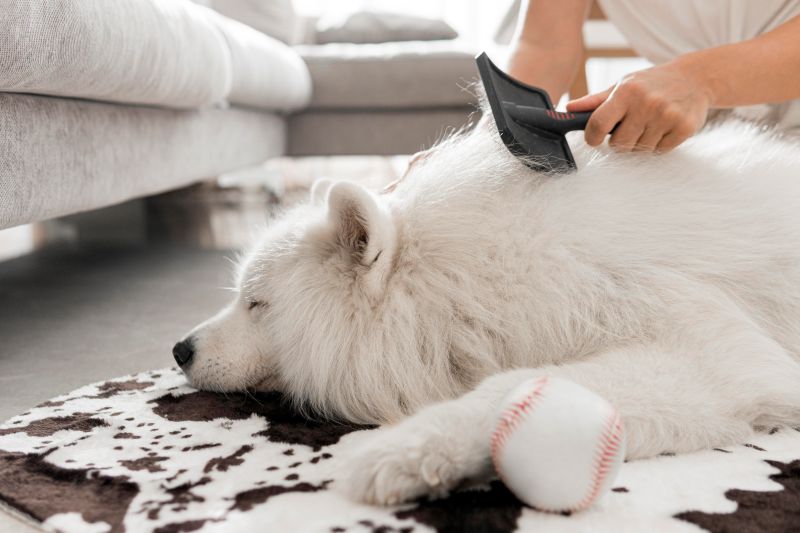
During peak shedding season, a weekly brush just isn’t enough. Aim for a daily 5-to-10-minute brushing session. This prevents loose fur from accumulating in the undercoat and eventually detaching onto your carpet.
Choose the Right Tools
Not all brushes are created equal. Using the wrong tool can actually damage the coat or miss loose hair. Here are the best tools for spring shedding:
- Undercoat Rake: Ideal for double-coated breeds (like Huskies, Golden Retrievers, and German Shepherds). The long teeth reach through the topcoat to pull out loose, dead undercoat fur without cutting the healthy hair.
- Deshedding Tool (Blade Brush): These tools (like the Furminator) have a fine blade that cuts through the topcoat to remove loose hair close to the skin. Use these sparingly—no more than once a week—to avoid skin irritation.
- Slicker Brush: Great for removing loose hair and breaking up small mats, especially for medium-to-long-haired dogs.
- Grooming Glove: Perfect for short-haired breeds or dogs that are sensitive to brushes. It mimics the sensation of petting while collecting loose fur.
The “Line Brushing” Technique
Don’t just brush over the top of the coat. Part the fur until you see the skin, and brush the section beneath the parting. Work your way up the body in lines. This ensures you are reaching the undercoat where most of the shedding hair hides.
2. Optimize Nutrition for Coat Health
A healthy coat starts from the inside out. If your dog’s skin is dry or irritated, they may shed more than necessary.
Hydration is Key
Dehydrated skin leads to brittle hair follicles and excessive shedding. Ensure your dog has constant access to fresh, clean water. If they aren’t big drinkers, try adding a splash of bone broth or wet food to their meals to increase fluid intake.
Essential Fatty Acids (Omega-3 & Omega-6)
Omega fatty acids are vital for skin barrier function and hair strength. While many commercial dog foods contain some omegas, they are often degraded by the high heat of the cooking process.
Dietary additions to reduce shedding:
- Fish Oil: A daily supplement of salmon or sardine oil is one of the best ways to improve coat shine and reduce excessive shedding.
- Coconut Oil: A small amount added to food (about 1/4 teaspoon per 10 lbs of body weight) can improve skin health.
- Eggs: Cooked eggs are a great source of biotin and protein, which are essential for hair growth.
Note: Always consult your veterinarian before adding supplements to your dog’s diet.
3. Bathing Strategies for Shedding Season
Bathing can help remove loose hair, but over-bathing can dry out the skin and cause more shedding. Here is the sweet spot for spring grooming:
Use a Deshedding Shampoo
Invest in a high-quality deshedding shampoo and conditioner. These products are formulated with moisturizing ingredients like aloe vera and omega fatty acids. They help loosen the undercoat and nourish the skin, making it easier for dead hair to be washed away.
The “Wet Brush” Method
The best time to brush out loose hair is during the bath. After lathering up the shampoo, use a rubber grooming brush or a slicker brush while the coat is saturated. The water and soap help weigh down the hair, allowing the brush to grab more loose fur than it would on a dry coat.
Warm Water Rinse
A thorough rinse with warm water helps open the hair cuticles, allowing the conditioner to penetrate deeply and loosen the dead undercoat.
4. Diet and Hydration Checks
We touched on supplements, but the base diet matters immensely. If your dog is eating a low-quality food filled with fillers like corn and wheat, their coat will suffer.
Look for a dog food where a named meat source (like chicken, beef, or lamb) is the first ingredient. High-protein diets support the hair growth cycle, ensuring that when old hair falls out, new, healthy hair is ready to replace it.
5. Environmental Control at Home
While you are working on your dog’s coat, you also need to manage the hair that inevitably ends up in your home.
- Humidifiers: Indoor heating in the winter and air conditioning in the spring can dry out the air, which dehydrates your dog’s skin. Using a humidifier helps maintain optimal humidity levels (around 30-50%) for skin health.
- Wipe Down After Walks: Use a damp cloth or a pet-safe wipe to wipe down your dog’s coat after outdoor walks. This removes pollen, dirt, and loose hair that might otherwise end up on your furniture.
- Wash Bedding Weekly: Dog beds are magnets for loose hair and dander. Wash your dog’s bedding once a week in hot water to remove accumulated fur and kill dust mites.
6. The Power of the Vacuum (and Prevention)
Even with the best grooming routine, some hair will escape. Having the right cleaning tools is part of a holistic shedding management plan.
- Robot Vacuums: For daily maintenance, a robot vacuum set to run while you are out can keep surface hair under control.
- Vacuum Attachments: Use a vacuum with a dedicated pet hair attachment for upholstery and stairs.
- Rubber Brooms: For carpets, a rubber broom is surprisingly effective at pulling embedded hair out of the fibers before you vacuum.
When to See a Vet
While seasonal shedding is normal, excessive patchiness or hair loss can indicate underlying health issues. Contact your veterinarian if you notice:
- Bald spots or thinning patches that aren’t symmetrical.
- Red, inflamed, or scaly skin.
- Excessive scratching or licking (signs of allergies or parasites).
- A sudden, drastic change in shedding patterns outside of spring and fall.
These could be signs of thyroid issues, hormonal imbalances, fleas, or food allergies.
Conclusion
Spring shedding doesn’t have to take over your home. By combining a consistent grooming routine with a nutrient-rich diet and smart home cleaning habits, you can significantly reduce the amount of loose fur in your living space.
Remember, the goal is to manage the coat, not fight it. With a little daily effort, you can enjoy the warmer weather with your furry friend—without needing a lint roller in every room.
Frequently Asked Questions (FAQ)
Q: How often should I brush my dog during spring shedding season? A: During peak shedding, daily brushing is recommended. This removes loose hair before it hits your furniture and distributes natural oils that keep the coat healthy.
Q: Does shaving a dog help with shedding? A: No. You should never shave a double-coated dog. Shaving removes their natural insulation, making it harder for them to regulate their body temperature in both heat and cold. It can also damage the coat texture and lead to skin problems.
Q: What is the best diet for reducing shedding? A: A high-quality diet rich in animal protein and omega fatty acids is best. Look for foods with fish oil or add a fish oil supplement to support skin and coat health.
Q: Can I use human brushes on my dog? A: It is not recommended. Human brushes are designed for human hair density and texture. Dog brushes have specific bristle types and spacing designed to penetrate the undercoat without scratching the skin.
 Olivia Brown
  Hailey Reynolds