The Multiple Factors That Shape Serious Boating Accidents
5 min read
880 words
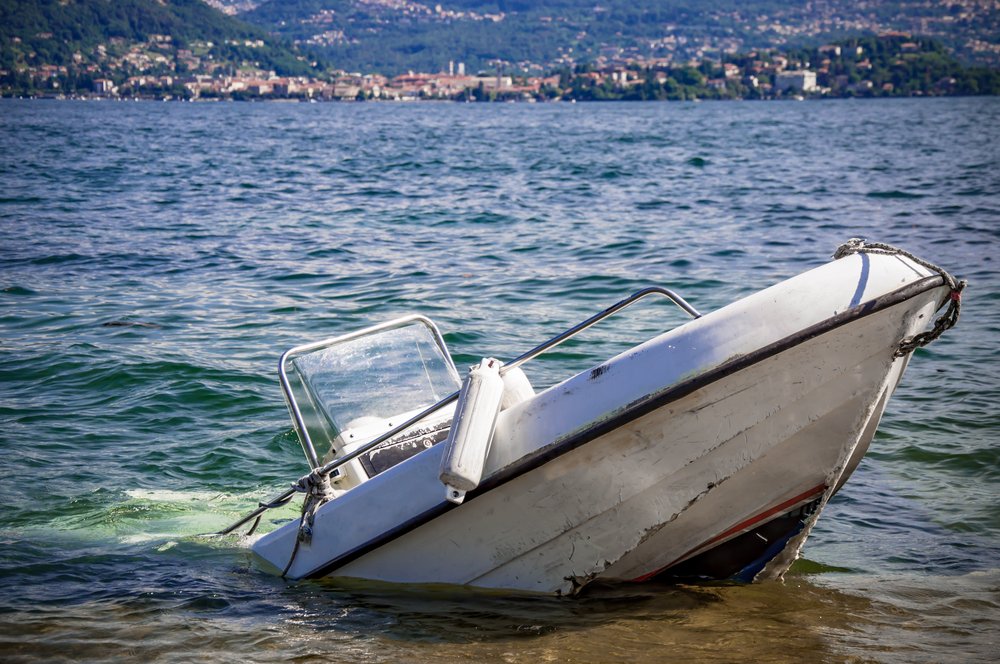
Boating accidents are rarely created by one decision alone. A quiet warning sign in equipment, a change in weather, or a missed safety step can become part of a much larger problem. Every vessel depends on many things working together, and a failure in one area can affect everyone on board.
Looking beyond the person controlling the boat often reveals important details about what truly caused a crash. An attorney for boat accident victims may examine these different factors to understand the full situation. This discussion looks at the many elements that can shape serious boating accidents.
A Boating Accident Often Begins Before the Vessel Reaches the Water
Safety on the water starts long before a boat leaves the dock. Preparation, planning, and equipment checks all influence how a vessel handles different situations. A boat operator may make decisions during a trip, but many other conditions can affect the outcome.
A serious accident can involve several connected issues. A vessel may have mechanical problems, safety equipment may not work properly, or outside conditions may create unexpected risks. These details matter because focusing only on the operator may leave out important parts of the situation.
Understanding the complete picture requires looking at everything surrounding the accident, including the boat, the environment, and the systems involved.
Equipment Conditions Can Influence What Happens on the Water
Boat Maintenance Plays a Role in Safety
A boat relies on many mechanical systems to function properly. Engines, steering systems, fuel lines, and navigation equipment all need regular care. Small maintenance concerns that are ignored can affect how a vessel performs during important moments.
A boat that has not been properly maintained may experience problems that make handling more difficult. Equipment failures can create unexpected situations that require quick responses from everyone involved.
After a boating accident, records related to inspections and repairs can provide useful information. These details may help explain whether mechanical conditions played a role in what happened.
Maintenance is not only about keeping a boat running. It is also about making sure the vessel is prepared for the challenges that come with being on open water.
Safety Equipment Can Affect Emergency Response
Safety equipment is designed to help reduce risks during emergencies. Life jackets, communication devices, emergency signals, and lighting systems all serve important purposes during dangerous situations.
Missing, damaged, or unused safety equipment can change how people respond after an accident occurs. The condition and availability of these items may become part of a boating accident investigation.
Safety depends on preparation. The equipment available on a boat can influence how well people handle unexpected events.
Environmental Conditions Can Change the Risk Level
Weather and Visibility Create Different Challenges
Water conditions can change quickly. Strong winds, heavy rain, bright sunlight, and poor visibility can affect how operators control their vessels and react to their surroundings.
Unlike roads, waterways do not always have clear paths or fixed boundaries. Changing conditions can make navigation more difficult and increase the need for careful decisions.
Investigators often consider weather information and water conditions while reviewing boating accidents. These details help explain the environment that existed during the incident.
Waterway Design and Traffic Patterns Matter
The area where a boat operates can also influence safety. Busy waterways, narrow channels, docking areas, and locations with different types of vessels can create additional challenges.
A small mistake in a crowded area may have different consequences compared to an open section of water. The movement of other boats, visibility around the area, and available space can all affect how situations develop.
The surrounding environment becomes another piece of the larger safety picture.
Other Parties and Systems May Influence Boating Safety
A boating accident may involve more than the person controlling the vessel. Different people and organizations can influence how safely a boat operates.
Possible factors may include:
- Boat rental procedures and instructions
- Manufacturing problems with vessel parts
- Maintenance work completed by service providers
- Passenger actions during the trip
- Safety rules and operating procedures
Each factor can provide additional information about how an accident occurred. Looking at the full chain of events helps create a clearer understanding instead of focusing on only one part of the situation.
Evidence Helps Reveal the Complete Story Behind a Boating Accident
Boating accident investigations often depend on collecting different forms of evidence. Water conditions can change quickly, making accurate information especially important.
Evidence may include:
- Vessel inspection records
- GPS and navigation data
- Witness statements
- Photos and videos
- Weather reports
Each detail adds another part to the timeline. A single piece of information may not answer every question, but several pieces together can show how different factors connected.
An attorney for boat accident victims may review these details to better understand the circumstances surrounding an accident. Careful examination helps identify facts and separate them from assumptions.
Conclusion
Serious boating accidents are often shaped by multiple factors working together. Equipment conditions, environmental challenges, safety practices, and the actions of different parties can all influence what happens on the water.
Looking beyond the operator allows a more complete review of the circumstances involved. Every detail, from maintenance records to water conditions, can help explain how an accident developed.
A full understanding of a boating accident comes from examining the entire picture rather than focusing on only one cause.