Sensory Ergonomics: 5 Ways to Build a Better Home Office
5 min read
891 words
Ever sit at your desk and feel the stress before you even open your laptop? Between the hum of the room and the constant digital noise, it’s easy to hit a wall. That’s not just boredom; it’s digital fatigue. It’s the brain fog that turns a simple ‘reply all’ into a mountain you just don’t want to climb today.” Here are five simple ways to perform a “sensory reset” and turn your workspace into a focus sanctuary.
What is Sensory Ergonomics?
Sensory ergonomics is the practice of designing a workspace to support all five senses, rather than just physical posture. By adjusting lighting (visual), soundscapes (auditory), and textures (tactile), you can lower cortisol levels and trigger a “Flow State” faster.
1. Bring the Outside In with Biophilic Design
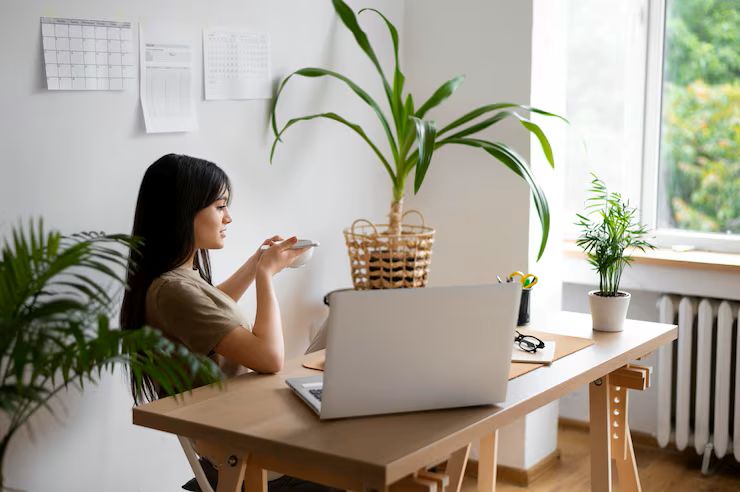
The human brain wasn’t evolved to thrive in a grey box. Biophilic design is the science of integrating natural elements into your workspace to reduce stress. When I swapped my plastic desk organizers for natural wood and added a single plant, my “work-from-home wall” felt significantly lower.
The “Desk Buddy” Effect: Don’t just buy any plant. I recommend a Snake Plant or Pothos; they are incredibly hardy and active air-purifiers.
Maximize Natural Light: Position your desk perpendicular to a window if possible. This reduces screen glare while keeping your circadian rhythm, which is your internal “sleep-wake” clock in sync.
Tactile Textures: Replace a cold, plastic mousepad with a cork or felt desk mat. These natural materials feel “grounding” to the touch and help dampen office noise.
2. Drown Out Distractions with Pink Noise
We’ve all heard of white noise, but in 2026, Pink Noise is the gold standard for deep focus. While white noise can sound like harsh TV static, pink noise is deeper and more balanced, mimicking the sound of steady rain or rustling leaves.
Why it works: Studies suggest that pink noise reduces brain wave complexity, which sounds fancy, but simply means it helps your brain stay “level” instead of jumping at every distracting sound from the kitchen or the street.
How I use it: I don’t use it all day. I save my pink noise playlist for “Deep Work” blocks. Putting on noise-canceling headphones with a steady rain track creates a “sound cocoon” that signals my brain it’s time to produce, not just react.
Where to find it: You can find high-quality 2026 “spatial audio” pink noise tracks on YouTube or dedicated focus apps.
3. Practice Scent Anchoring
Your sense of smell is the fastest way to trigger a specific mood. You can use this to your advantage through scent anchoring. This is a simple trick where you use a specific scent only when you are working. Eventually, your brain builds a mental bridge between that smell and “work mode.”
Try these focus-boosting scents:
Peppermint: Great for a mid-day energy spike and mental clarity.
Lemon: Known to help reduce errors and lift a heavy mood.
Rosemary: The “gold standard” for concentration and memory.
How to start: Grab a small essential oil diffuser or a candle you love. Only turn it on when it’s time to buckle down. When your brain catches a whiff, it will automatically skip the procrastination and jump straight into focus.
4. Upgrade Your Sensory Ergonomics (Touch)
We often think of ergonomics as just having a good chair. While posture is important, sensory ergonomics looks at how things feel against your skin. If your environment feels “scratchy” or physically irritating, your brain wastes tiny amounts of energy noticing that discomfort instead of focusing on your tasks.
Temperature Control: Being too cold makes it impossible to concentrate. Keep a soft, high-quality throw blanket or a favorite sweater draped over your chair.
Tactile Fidget Tools: If you’re a pen-clicker when stressed, try a dedicated fidget tool or even a smooth “worry stone.” A grounding texture can help lower your heart rate during a high-pressure call.
Breathable Support: Ensure your wrist rests and mouse pads are made of soft, breathable materials like felt or fabric. Avoid “sticky” plastic surfaces that irritate your skin after an hour of use.
5. Fight Digital Fatigue with “Analog Zones”

Digital fatigue happens when our brains get overwhelmed by blue light and the constant “refresh” of information. To reset, you need to create a small “analog zone” within your office where tech isn’t allowed.
The Paper Method: For your first 15 minutes of brainstorming, use a physical notebook and a pen you actually enjoy writing with. The tactile friction of pen on paper sparks creativity in a way a blinking cursor never will.
The 20-20-20 Rule: To save your eyes, every 20 minutes, look at something 20 feet away for at least 20 seconds. It’s a literal physical reset for your eye muscles.
Physical Boundaries: If you’re working from home, try to keep your work devices in one specific spot. When you step away from that desk, you leave the digital noise behind.
Conclusion: Start Small
You don’t have to remodel your entire office overnight. Start by adding one “desk buddy” plant or trying a pink noise playlist today.
By paying attention to your senses, you aren’t just making your office look better; you are making your brain work better. A focus sanctuary isn’t about perfection; it’s about creating a space that treats you like a human being, not just a worker.