
4 min read
760 words
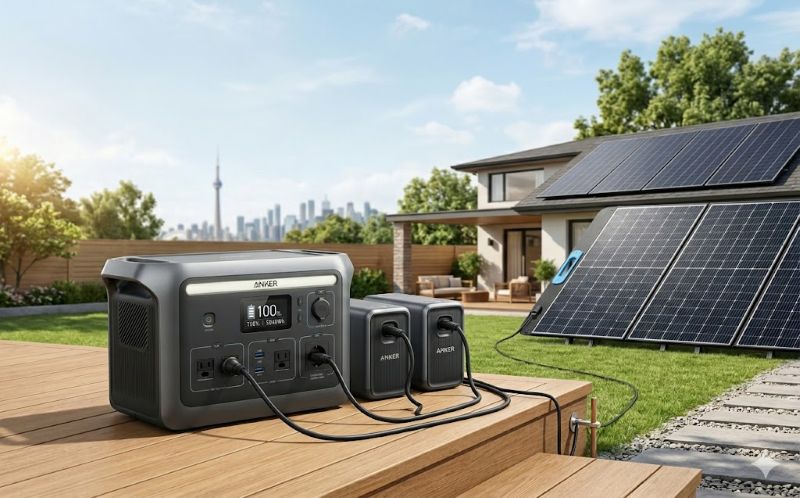
The grid is changing. Between rising Hydro One rates and the increasing frequency of “once-in-a-century” ice storms, Ontario homeowners are trading reliance for resilience. Welcome to the “Smart Off-Grid” era.
This isn’t just about survival; it’s about reclaiming your freedom through a high-comfort, $0 utility bill lifestyle. While the old federal Greener Homes Grant has closed, 2026 has brought the Ontario Home Renovation Savings Program, offering up to $10,000 back for solar and battery storage. Whether you’re prepping for the next blackout in the County or cutting the umbilical cord to the power company for good, 2026 is the year to make the switch.
1. The Heart of the System: Top 3 Solar Power Hubs
Choosing the right “brain” for your system depends on your lifestyle. Here are our top picks for 2026:
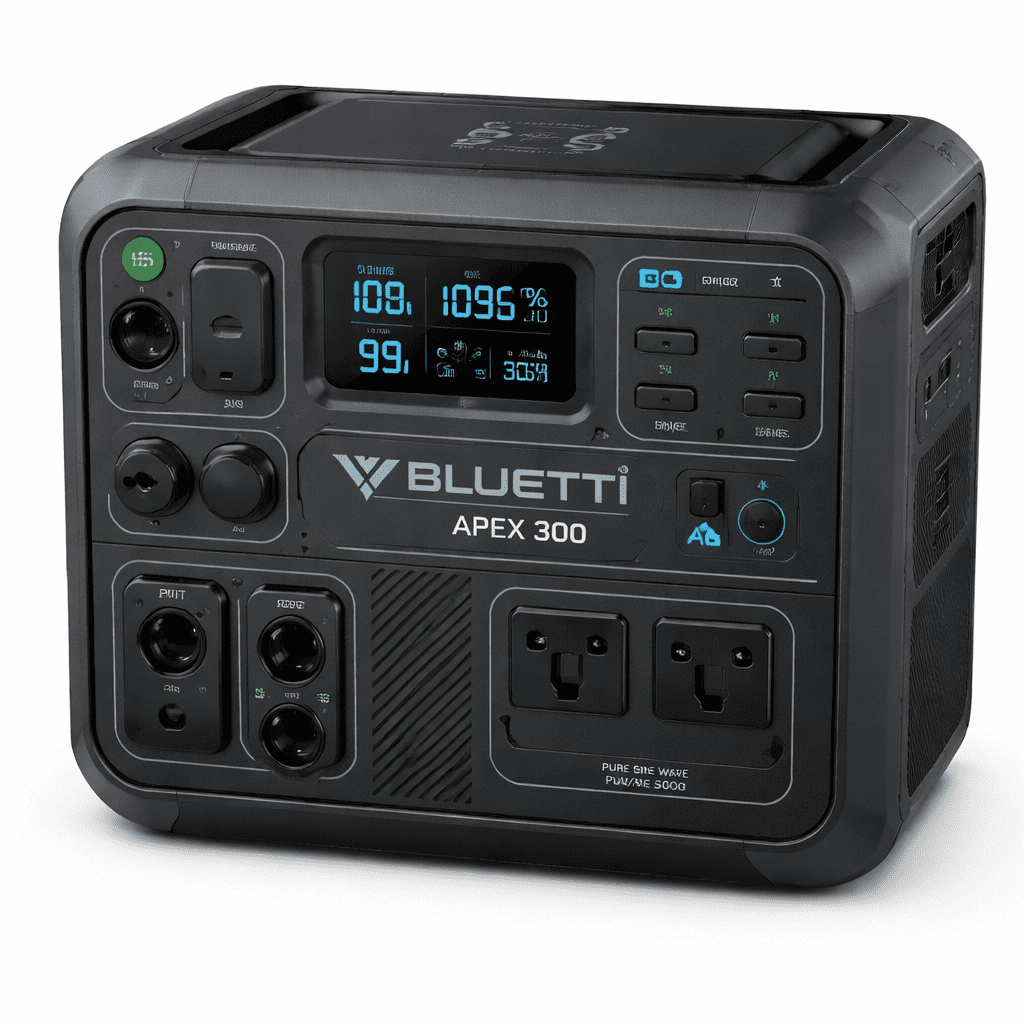
The Heavyweight (Whole Home): EcoFlow Delta 3 Ultra Plus or Bluetti Apex 300
These units are the gold standard for high-demand Toronto homes. They offer native 240V support, meaning you can run “grid-heavy” appliances like central AC, electric dryers, or sump pumps without a hitch.
Standout Feature: The Bluetti Apex 300 now supports expansion up to 58kWh. This is enough to power an average home through a multi-day ice storm.
Pro Tip: For older homes with specialized HVAC, ensure your inverter supports a 240V split-phase output. Running a 240V motor on a 120V “cheat” adapter will cause permanent damage.
The All-Rounder (Cabin/Van Life): Anker SOLIX F3800 or Jackery HomePower 3000
These are the kings of versatility, striking the perfect balance between high output and manageable weight (under 100 lbs).
Why we love them: The Anker SOLIX F3800 is a disruptor because it offers 240V capability in a portable form factor, perfect for towing behind a Ford F-150.
The Strategy: Start with the base unit and use the seamless expansion ports to chain extra battery packs as your budget allows.
2. Panel Tech: Beyond the “Folding Board”
In 2026, we’ve moved past flimsy portable panels. To build a system that survives a Southern Ontario winter, follow the “Gold Standard” rules:
Rigid vs. Portable: For permanent setups, rigid glass n-type panels are mandatory. They shed snow effectively and have a 25-year lifespan.
Bifacial Technology: These capture light from both sides. In snowy Ontario winters, “albedo” (light reflecting off snow) can boost energy harvest by up to 30%.
The High-Voltage Revolution (SolarX 4K): Using the SolarX 4K bridge, you can now plug massive residential-scale panels directly into your portable hub, maximizing your charge speed during the shorter winter days.
3. Storage 2.0: LiFePO4 vs. Sodium-ion
The Gold Standard (LiFePO4): Lithium Iron Phosphate is the workhorse, providing 6,000+ cycles (10–15 years of daily use).
The Cold Weather King (Sodium-ion): If your battery bank is in an unheated garage, Sodium-ion (Pioneer Na) is the winner. It can safely charge at -15°C and discharge down to -25°C—temperatures that would “brick” a traditional lithium battery.
4. Essential “Micro-Grid” Gadgets
Solar Water Heaters: The #1 way to slash energy demand by 30%.
AI Energy Managers: Apps like GridLogic AI sync with your weather forecast. If a “Lake Effect” storm is forecasted, the AI automatically throttles non-essential loads (like EV chargers) to protect your reserve.
DC-Native Comms: Eliminate “vampire drain” with a Starlink DC-power conversion kit, saving up to 20% of your daily battery capacity.
5. The Ontario “How-To” Audit
Calculate your “Real Load”: Check your Hydro One/Elexicon bill for your daily kWh usage.
Size the “Sun Buffer”: In Ontario, aim for 3 days of battery autonomy to bridge those dark, overcast December weeks.
Modular vs. All-in-One: Choose All-in-One (EcoFlow/Anker) if you want a sleek warranty and simple setup. Go modular if you want easy repairs.
Is Your Property Ready? (The Ontario Checklist)
-
[ ] ESA Approval: Have you scheduled an inspection with the Electrical Safety Authority? DIY solar still requires an ESA permit in Ontario.
- [ ] Grounding: Have you installed a dedicated ground rod to protect against lightning?
-
[ ] Snow Clearance: Are your panels mounted at a 60° tilt? This is the Ontario “sweet spot” for shedding snow while maximizing winter sun.
Conclusion: Your Roadmap to $0 Utility Bills
Investing in smart independence is the best hedge against the volatility of 2026. By choosing the right battery chemistry, utilizing high-efficiency rigid panels, and planning for your specific load, you aren’t just buying gear; you’re buying long-term financial freedom.
Final Tip: Buy for the battery you need in five years, not today. Most new off-grid users experience “load creep.” Build a modular system, stack your Toronto HELP financing with provincial HRSP rebates, and enjoy a lifetime of sunshine-powered living.
https://anyflip.com/cqscd/ksbp/basic#:~:text=DIY%20solar%20installations%20require%20the,fire%20hazards%20or%20electrocution%20risks.
 Christy Jernigan
  Carly
Carly  Kim Monroe