
11 min read
2026 words
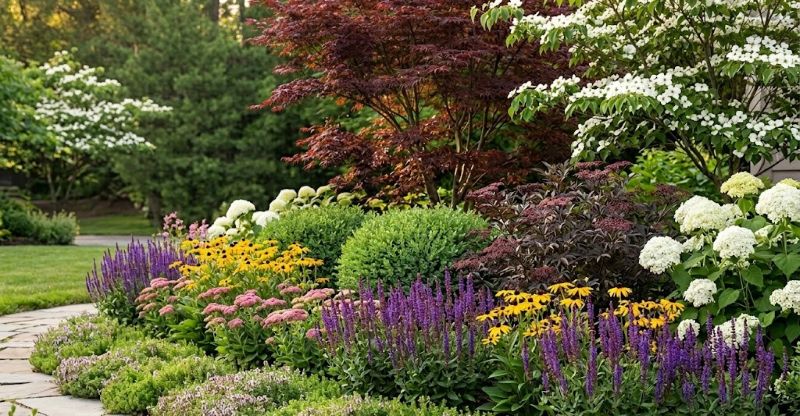
Hey there, fellow garden lovers! Are you imagining a flourishing, lively garden that almost looks after itself, even when Mother Nature throws some surprises your way? What if we told you that the obstacles your garden encounters – from blazing summers to sudden pests – could actually become its biggest advantages? Welcome to the amazing realm of regenerative gardening, and get ready to embrace the thrilling new ‘Lemonading’ trend in 2026!
In a world where the climate is changing fast, traditional gardening can sometimes feel like a tough challenge. But what if we changed our viewpoint? What if we figured out how to turn those lemons into the most tasty, refreshing lemonade our gardens have ever experienced? That’s precisely what the Garden Media Group 2026 Trends Report emphasizes. This ‘Lemonading’ trend is all about: accepting your garden’s challenges and turning them into chances for strength, beauty, and plenty.
This isn’t just a fun saying; it’s a significant movement in gardening that’s really picking up speed. If you want to create a truly climate-resilient plantscape and explore genuinely sustainable landscaping, you’ve come to the right spot. We’re going to guide you through everything you need to know to make your garden a model for the ‘Lemonading’ trend in the upcoming year and beyond. Let’s get started!
What Exactly Is Regenerative Gardening?
Before we dive deep into ‘Lemonading,’ let’s lay the groundwork. At its heart, regenerative gardening is about working with nature, not against it. It’s a holistic approach that aims to restore and enhance ecosystem health, rather than simply sustaining it. Think of it as gardening with a superpower – actively improving the environment around you.
The core principles of regenerative gardening include:
- Building Soil Health: Prioritizing healthy, living soil packed with microbes, fungi, and organic matter. This is the foundation of everything.
- Maximizing Biodiversity: Encouraging a wide variety of plants, insects, and wildlife to create a balanced, self-regulating ecosystem.
- Minimizing Disturbance: Reducing tilling, chemical inputs, and practices that disrupt natural processes.
- Optimizing Water Use: Conserving water and making every drop count through smart design and plant choices.
- Integrating Livestock (or Micro-Livestock!): Even in a small garden, thinking about beneficial insects and worms as your garden’s workforce.
The beauty of regenerative gardening is that it leads to gardens that are more resilient, require less maintenance, and are infinitely more productive. And guess what? This powerful framework is the perfect launchpad for the innovative ‘Lemonading’ trend!
Unpacking the ‘Lemonading’ Trend for 2026: Turning Challenges into Triumphs
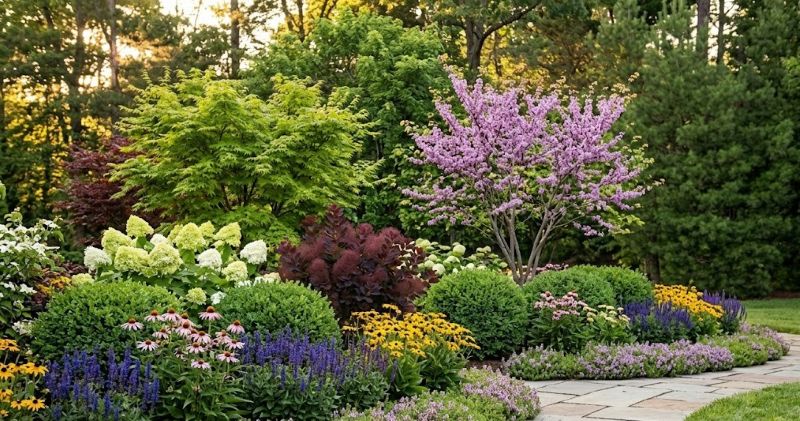
So, what’s all the buzz about the ‘Lemonading’ trend 2026? Simply put, it’s a mindset revolution in gardening. Instead of viewing droughts, heatwaves, pests, or even challenging soil conditions as problems to be fought, the ‘Lemonading’ trend encourages us to see them as prompts for creative, sustainable solutions.
Imagine this:
- Lemon: Your region is experiencing longer, hotter dry spells.
- Lemonade: You intentionally choose climate-resilient plants that thrive in drought conditions, design a beautiful xeriscape, and implement smart water harvesting. You’ve turned a potential garden disaster into a stunning, water-wise oasis.
- Lemon: A specific pest is constantly attacking your favorite crop.
- Lemonade: You introduce companion plants that deter that pest, or attract beneficial insects that prey on it, creating a natural pest control system. You’ve turned a nuisance into a vibrant, biodiverse mini-ecosystem.
This trend is set to explode in 2026 because gardeners everywhere are recognizing that fighting nature is a losing battle. The ‘Lemonading’ approach empowers us to adapt, innovate, and create gardens that are not just surviving, but thriving in the face of environmental shifts. It’s about designing a garden that is inherently strong, adaptable, and beautiful, even when circumstances are less than ideal.
It’s about asking: “What can this challenge teach me about my garden, and how can I leverage it to make my garden stronger, healthier, and more beautiful?” It’s an optimistic, proactive, and incredibly effective way to garden.
Key Pillars of Mastering the ‘Lemonading’ Trend
Ready to start squeezing those lemons? Here are the essential pillars to master the ‘Lemonading’ trend and embrace sustainable landscaping in 2026:
1. Embrace Your Soil – It’s Your Garden’s Heartbeat
Lemonading Principle: Instead of struggling with poor soil, build magnificent soil.
Your soil is the foundation of your garden’s health and resilience. In a regenerative, ‘Lemonading’ garden, you prioritise feeding the soil life, not just the plants.
- Compost, Compost, Compost! The ultimate soil amendment. Adding rich, finished compost improves soil structure, water retention, and provides a slow-release of nutrients. It’s your secret weapon against compacted or nutrient-poor soil.
- No-Dig Gardening: Minimise disturbance. Tilling disrupts the intricate web of fungi and microbes that live in your soil. By adopting a no-dig approach, you let nature do the work, building healthy soil layers over time. This lemonades the “effort” out of digging!
- Cover Crops: Plant nitrogen-fixing or biomass-producing cover crops during off-seasons. They protect the soil from erosion, suppress weeds, add organic matter when tilled back in (or left to decompose on the surface in no-dig systems), and improve soil structure.
- Mulch Heavily: A thick layer of organic mulch (straw, wood chips, shredded leaves) retains moisture, suppresses weeds, regulates soil temperature, and slowly breaks down to feed the soil. This is your defence against drought and excessive weeding.
2. Choose Climate-Resilient Plants – Your Garden’s Superheroes
Lemonading Principle: Instead of forcing plants to grow where they don’t belong, choose plants that love your local conditions.
This is arguably the most impactful ‘Lemonading’ strategy. Selecting plants that are naturally suited to your climate and potential challenges saves you immense effort and ensures garden success. This is where climate-resilient plants really shine.
- Go Native: Native plants are perfectly adapted to your local rainfall, soil, and temperature fluctuations. They often require less water, fewer amendments, and are more resistant to local pests and diseases. Plus, they support local wildlife!
- Drought-Tolerant Varieties: If water scarcity is your lemon, embrace plants that thrive on less. Think lavender, sedum, coneflowers, certain ornamental grasses, and many Mediterranean herbs. Research varieties known for their resilience.
- Disease and Pest Resistant Cultivars: When selecting vegetable or fruit plants, look for varieties specifically bred for resistance to common local issues. This significantly reduces your need for intervention.
- Observe Your Microclimates: Pay attention to sunny spots, shady corners, wet depressions, or windy areas in your garden. These are your unique “lemon” conditions, and by choosing plants perfectly suited to them, you create beautiful, effortless pockets of growth.
3. Water Wisely, Not Wildly – Conservation is Key
Lemonading Principle: Turn water scarcity into smart, efficient water management.
Water is a precious resource, and the ‘Lemonading’ trend embraces innovative ways to conserve and utilise it. This is a cornerstone of sustainable landscaping.
- Rainwater Harvesting: Install rain barrels or even a larger cistern to capture rainwater from your roof. This provides free, chemical-free water for your plants, reducing reliance on municipal supplies.
- Drip Irrigation & Soaker Hoses: Deliver water directly to the plant roots, minimising evaporation and runoff. It’s incredibly efficient compared to overhead sprinklers.
- Swales and Rain Gardens: Design your landscape to slow down, spread out, and sink rainwater into the soil. Swales are shallow ditches on contour that hold water, allowing it to penetrate the ground, while rain gardens collect runoff from impervious surfaces.
- Strategic Plant Grouping (Hydrozoning): Group plants with similar water needs together. This prevents overwatering some plants and underwatering others, making irrigation much more efficient.
4. Boost Biodiversity – A Natural Defense System
Lemonading Principle: Instead of fighting pests and diseases, foster an ecosystem that manages itself.
A diverse garden is a resilient garden. By inviting a variety of life forms, you create a balanced ecosystem where natural checks and balances are in play.
- Attract Pollinators: Plant a mix of flowers that provide nectar and pollen throughout the seasons. Bees, butterflies, and other pollinators are vital for healthy ecosystems and bountiful harvests.
- Welcome Beneficial Insects: Ladybugs, lacewings, predatory wasps – these are your garden’s natural pest control agents! Plant flowers like dill, fennel, and marigolds that provide nectar and shelter for these helpful creatures.
- Companion Planting: Strategically plant different species together that benefit each other. This can deter pests, attract beneficials, improve soil nutrients, or provide shade. For example, planting marigolds near tomatoes can deter nematodes.
- Create Habitat: Leave some patches of undisturbed soil, brush piles, or rock crevices. These provide shelter for beneficial insects, amphibians, and other small wildlife that contribute to your garden’s health.
5. Design for Durability and Beauty – Sustainable Landscaping for the Win
Lemonading Principle: Create a garden that is beautiful, enduring, and requires minimal external inputs.
Sustainable landscaping is all about thoughtful design that considers long-term ecological impact and maintenance.
- Layered Planting: Mimic natural ecosystems by planting in layers – groundcovers, perennials, shrubs, and trees. This maximizes space, creates varied habitats, and enhances visual appeal.
- Hardscaping with Permeable Materials: Choose pathways and patios made of permeable materials like gravel, pavers with sand joints, or decomposed granite. This allows rainwater to infiltrate the ground, reducing runoff and supporting groundwater recharge.
- Reduce Lawn Size: Lawns are often water-intensive and require frequent maintenance. Consider converting portions of your lawn into native plant beds, perennial gardens, or even a food forest. This is a big lemon-to-lemonade transformation!
- Source Locally and Responsibly: When buying plants or materials, opt for local nurseries and suppliers. This reduces transportation costs and carbon footprint, and ensures plants are already adapted to your region.
Practical Steps to Get Started with ‘Lemonading’ Today
Feeling inspired? Here’s how you can begin transforming your garden with the ‘Lemonading’ trend, even before 2026 officially rolls around:
- Observe Your Garden: Spend time watching. What are your garden’s specific ‘lemons’? Is it too dry? Too wet? Does it get blasted by sun or wind? What pests do you see? What plants struggle, and which ones thrive effortlessly? This observation is your baseline.
- Start Small: Don’t overhaul your entire garden overnight. Pick one bed, a challenging corner, or even just a single plant type to experiment with. Try ‘lemonading’ one specific issue (e.g., converting a thirsty rose bed to drought-tolerant natives).
- Prioritise Soil Health: This is the easiest and most impactful place to begin. Start a compost pile, mulch your existing beds, or try a small no-dig section.
- Embrace Research: Look into local native plants, learn about companion planting, and discover different water conservation techniques relevant to your area.
- Connect with Your Community: Join local gardening groups, visit botanical gardens, or attend workshops. Other gardeners are a fantastic resource for ‘lemonading’ ideas and local solutions.
- Be Patient and Enjoy the Process: Regenerative gardening and the ‘Lemonading’ trend are about evolution, not instant perfection. Celebrate small victories and enjoy the journey of creating a more resilient and beautiful space.
The Sweet Rewards of Mastering the ‘Lemonading’ Trend
By embracing regenerative gardening and the ‘Lemonading’ trend 2026, you’re not just creating a garden; you’re cultivating a vibrant, resilient ecosystem that benefits both you and the planet. The rewards are truly sweet:
- Less Work, More Joy: Imagine a garden that largely takes care of itself, requiring less watering, less weeding, and fewer interventions.
- Environmental Stewardship: You’ll be actively improving soil health, conserving water, supporting biodiversity, and reducing your carbon footprint.
- Increased Resilience: Your garden will be better equipped to handle unpredictable weather and environmental stressors, meaning consistent beauty and harvests.
- Cost Savings: Less reliance on external inputs like fertilisers, pesticides, and excessive water means more money in your pocket.
- Deep Satisfaction: There’s immense pride in knowing you’ve created a beautiful, productive space that works in harmony with nature.
Conclusion: Your Garden’s Bright Future Awaits!
The future of gardening is here, and it’s regenerative, resilient, and ready to turn every challenge into an opportunity. The ‘Lemonading’ trend 2026 isn’t just a passing fad; it’s a powerful, positive shift in how we interact with our green spaces.
By adopting the principles of regenerative gardening, focusing on climate-resilient plants, and committing to sustainable landscaping, you’ll be at the forefront of this exciting movement. So, next time your garden faces a “lemon,” don’t despair! Grab your gardening gloves, a can-do attitude, and get ready to make the most delicious, beautiful, and resilient lemonade your landscape has ever seen. Your thriving, harmonious garden journey starts now!
 Lynn Leblanc
  Leo Allen