Pantry Organization Mistakes and How to Fix Them
9 min read
1673 words
A pantry that looks like the set of a cooking show can be inspiring, but the reality most people live with is a chaotic mix of cans, cereal boxes, snacks, and forgotten ingredients. When shelves become cluttered, cooking can feel like a scavenger hunt, food waste increases, and grocery bills can climb. Whether you have a spacious walk-in pantry or a small kitchen cupboard, avoiding common pantry organization mistakes can help you create a more functional space that saves time, reduces waste, and makes everyday cooking easier.
1. Organizing Before Decluttering
Why It’s a Mistake
One of the biggest pantry organization mistakes people make is buying storage bins and containers before removing items they no longer need.
- Expired food takes up valuable shelf space.
- Duplicate purchases create unnecessary clutter.
- Forgotten ingredients at the back of shelves often go unused.
- Items that no longer fit your lifestyle continue taking up room.
Better Approach
Start by removing everything from your pantry. Check expiration dates, group similar items together, and donate unopened food you know your family will not use. Once you know what you actually have, you can create a better pantry organization system.
2. Skipping Inventory Before Grocery Shopping
Why It Causes Problems
Without checking what is already in your pantry, it is easy to purchase duplicate items, extra snacks, and ingredients that may never be used.
You may end up with multiple cans of soup, several containers of the same spice, or baking supplies you forgot you already owned.
Solution
Create a simple grocery routine by checking your pantry before shopping. Keep a running list of household staples and place frequently used items where they are easy to see.
3. Keeping Everything in Original Packaging
Why It Creates Clutter
Original packaging often takes up more space, makes shelves look crowded, and can hide how much food remains. Cardboard boxes and bags can also make it harder to quickly see what you have.
Better Options
Consider transferring frequently used dry goods into clear, airtight containers or stackable bins.
- Pasta
- Rice
- Cereal
- Baking supplies
- Snacks
Add simple labels with the item name and expiration information to make your pantry easier to maintain.
4. Buying Too Many Storage Containers
Why It Happens
Beautiful pantry photos online can make it tempting to purchase matching containers before understanding what your space actually needs.
This often leads to containers that are the wrong size, wasted money, and storage solutions that do not fit your shelves.
Better Strategy
Organize your pantry first, then buy only the containers that solve a specific problem. A tall container for flour, a shallow bin for snacks, or stackable baskets for canned goods may be more useful than buying an entire matching set.
5. Ignoring Expiration Dates
Why It Matters
A cluttered pantry can easily hide expired canned goods, old spices, and stale baking supplies.
Tips
Use the first-in, first-out method by placing older items at the front and newer purchases behind them. Schedule a quick pantry check every few months to remove anything past its prime.
6. Storing Items Without Categories
Why It Creates Frustration
One of the most common pantry organization mistakes is placing items wherever there is an empty spot. While this may seem convenient at the time, it quickly turns your pantry into a frustrating search zone.
Creating clear categories makes it easier to find ingredients and know when supplies are running low.
Helpful Pantry Categories
- Breakfast foods: Cereal, oatmeal, pancake mix, and breakfast bars
- Baking supplies: Flour, sugar, cocoa, sprinkles, and baking decorations
- Pasta and grains: Rice, pasta, quinoa, and couscous
- Canned goods: Beans, tomatoes, soups, and broth
- Snacks: Crackers, granola bars, nuts, and treats
- Spices: Herbs, seasonings, and spice blends
- Kids’ foods: Juice boxes, lunch snacks, and pouches
- Emergency supplies: Water, shelf-stable foods, and backup items
Assign each category a specific shelf, basket, or bin so everyone in the household knows where items belong.
7. Putting Frequently Used Items Too High or Too Low
Common Mistake
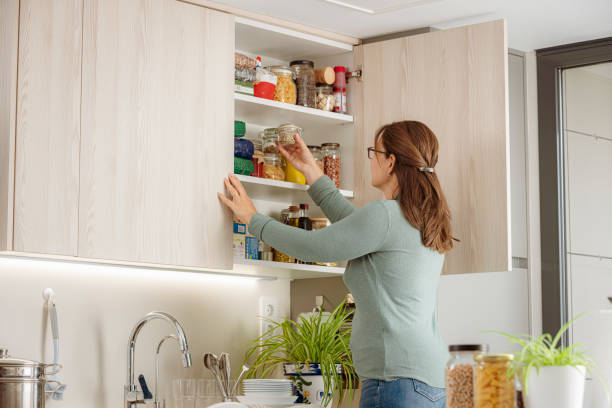
Daily-use items should be easy to access. Placing coffee, cooking oils, or everyday seasonings on high shelves creates unnecessary frustration, while storing heavy items on the floor can make them difficult to lift.
Better Placement
- Eye-level shelves: Everyday essentials such as coffee, sauces, spices, and frequently used ingredients.
- Higher shelves: Seasonal items, extra supplies, and things used occasionally.
- Lower shelves: Heavy items such as bulk packages, large containers, and appliances.
A functional pantry should make daily tasks easier, not create extra work.
8. Forgetting About Visibility
Why Visibility Matters
If you cannot see what you own, you are more likely to forget about it. Hidden food often leads to unnecessary purchases and wasted ingredients.
Pantry Storage Solutions That Help
- Clear storage bins: Make snacks and small packages easy to see.
- Lazy Susans: Keep sauces, oils, and spices accessible.
- Shelf risers: Create extra levels for canned goods and jars.
- Pull-out baskets: Bring items at the back of deep shelves forward.
- Labels: Help family members return items to the correct location.
9. Overstuffing Shelves
Why It Is a Problem
A crowded pantry may look like you are maximizing space, but overfilled shelves often create more problems. Items become hidden, packages fall over, and finding ingredients becomes frustrating.
Better Approach
Leave some open space between items so you can easily see, remove, and replace products. A pantry should be practical, not packed to the point where it becomes difficult to use.
10. Ignoring How Your Household Uses the Pantry
Why One System Does Not Fit Everyone
The best pantry organization ideas are based on your family’s lifestyle. A system that works for one household may not work for another.
For example:
- Families may benefit from a dedicated snack area and lunch preparation zone.
- Bakers may prefer a baking station with flour, sugar, and decorating supplies together.
- Older adults may benefit from easier-to-reach shelves and less bending.
Think about how you use your kitchen every day and organize your pantry around those habits.
11. Overlooking Food Safety
Important Pantry Safety Tips
- Store dry goods in sealed containers to protect against moisture and pests.
- Keep flour, sugar, rice, and grains properly sealed.
- Check packages regularly for tears, damage, or signs of insects.
- Avoid storing items where humidity or temperature changes may affect quality.
A clean, well-maintained pantry helps protect your food and your family.
12. Forgetting to Maintain the Pantry
Pantry organization is not a one-time project. Small habits help keep your space functional long term.
- Weekly: Return items to their proper places and check low supplies.
- Monthly: Wipe shelves and rotate older items forward.
- Seasonally: Declutter, check expiration dates, and adjust storage as needed.
Pantry Organization Products That Actually Help
| Product | Best For | Why It Works |
|---|---|---|
| Clear storage bins | Snacks, baking supplies, small packages | Makes contents visible and prevents forgotten items. |
| Lazy Susan | Oils, sauces, spices | Makes items at the back easier to reach. |
| Shelf risers | Canned goods and jars | Adds extra storage space vertically. |
| Pull-out baskets | Deep shelves and bulk items | Allows easy access without digging. |
| Reusable labels | Every category | Keeps organization simple for everyone. |
Pantry Organization for Small Kitchens

Small kitchens can still have an organized pantry. The key is using every available inch wisely and choosing storage solutions that improve accessibility.
Use Vertical Space
Make the most of tall shelves by adding shelf risers, stackable containers, or extra shelving. Vertical storage helps create more room without expanding your pantry footprint.
Add Door Storage
Pantry doors are often overlooked storage opportunities. Door organizers can hold:
- Spices
- Small snacks
- Seasoning packets
- Baking supplies
Choose Stackable Containers
Stackable containers help maximize limited shelf space while keeping ingredients easy to identify. They are especially useful for dry goods such as pasta, rice, cereal, and snacks.
Remove Unnecessary Packaging
Large boxes and bulky packaging can quickly overwhelm a small pantry. Moving frequently used items into slimmer containers or bins can create more usable space and make ingredients easier to find.
Frequently Asked Questions About Pantry Organization
How often should I organize my pantry?
A quick pantry check once a month can help keep clutter under control. A deeper clean, including checking expiration dates and wiping shelves, is usually helpful every three to four months.
Should I use matching pantry containers?
Matching containers can create a beautiful look, but they are not necessary. The most important thing is choosing storage solutions that improve function, accessibility, and visibility.
What is the best way to organize a pantry?
The best pantry organization system starts with decluttering, grouping similar items together, placing frequently used foods within easy reach, and creating a routine for maintenance.
How can I stop wasting food in my pantry?
Keep ingredients visible, rotate older items to the front, check your pantry before grocery shopping, and avoid buying more than your household can use.
Are pantry labels necessary?
Labels are not required, but they can be extremely helpful in busy households. They make it easier for everyone to know where items belong and maintain the organization system.
How do I organize a pantry without buying expensive products?
You do not need a large budget to create an organized pantry. Use baskets, bins, jars, or containers you already have. The biggest improvement often comes from decluttering and creating clear categories.
What should go at eye level in a pantry?
Eye-level shelves should hold the items you use most often, such as breakfast foods, cooking ingredients, snacks, and everyday staples. Less frequently used items can be stored higher or lower.
Conclusion
A functional pantry is not about having the most expensive containers or creating a picture-perfect space. It is about building an organization system that makes everyday life easier.
By avoiding common pantry organization mistakes, keeping food visible, and choosing storage solutions that fit your household’s needs, you can create a kitchen space that saves time, reduces waste, and makes meal preparation less stressful.
A well-organized pantry helps you find what you need faster, avoid unnecessary grocery purchases, and enjoy a smoother cooking routine. The best pantry is not the one that looks perfect in a photo. It is the one that works for you and your family every day.