Create a Low-Maintenance Lawn This Summer: 3 Easy Tips
6 min read
1134 words
Summer is the time when most people want to be enjoying their yard. They do not want to spend every weekend maintaining it. In fact, for some, yard work in the summer could be dangerous. Heat stroke and sun exposure, for example. Unfortunately, warmer weather often means more work. More mowing. More watering. More time trying to keep the grass looking healthy. Between rising temperatures, dry spells, and increased weed growth, lawn care can quickly become a demanding task. Many homeowners find themselves spending hours every week trying to maintain a lush, green lawn, only to feel frustrated when the results don’t match the effort invested. If you’re hoping to create a low-maintenance lawn this summer and cut back on yard chores, a few simple changes are enough. They make a big difference.
For some homeowners, that starts with learning. Certain topics – like what you need to know about fake grass and whether artificial turf is a practical alternative to a traditional lawn for them are key. For others, it’s simply about finding smarter ways to care for the grass they already have.
Either way, creating a lower-maintenance lawn is often easier than people think.
A few strategic adjustments can significantly reduce the amount of time, money, and energy required to keep your yard looking attractive. The goal is not necessarily to create a picture-perfect lawn but rather one that remains healthy, functional, and visually appealing without constant attention. By focusing on efficient lawn care habits instead of labor-intensive routines, you can spend less time working and more time enjoying your outdoor space.
1. Master the Mower
It sounds simple, right? Mowing. But mowing habits have a much bigger impact on lawn health than many homeowners realize.
Do you know the most common mistake? That is cutting grass too short. This is usually an attempt to mow less frequently. While it seems like a time-saver, it actually stresses the lawn. And this makes the turf more vulnerable to heat, weeds, and dry conditions.
Instead, try raising the mower blade slightly. Do so during the summer months. Taller grass helps a lot. It shades the soil. It retains moisture. It develops stronger roots. As a result, your lawn may require less intervention throughout the season.
Longer grass also helps crowd out weeds naturally. When grass blades are allowed to grow a little taller, they block sunlight from reaching weed seeds, reducing germination and helping your lawn maintain a thicker appearance. This simple adjustment can reduce the need for herbicides and other weed-control measures later in the season.
Mower maintenance is critical, too. Keep the mower blades sharp. Clean cuts help grass recover more quickly. It maintains a healthier appearance. Such small adjustments don’t take much, but they do make lawn care easier over time.
It is also worth checking your mowing schedule. During periods of drought or extreme heat, grass growth often slows naturally. Rather than mowing out of habit, assess whether the lawn actually needs cutting. Reducing unnecessary mowing can save time and prevent additional stress on the turf.
2. Optimize Your Watering
Lots of homeowners water their lawn more often than necessary.
In reality, deep, infrequent watering is typically more effective than giving your lawn small amounts of water every day. When grass receives a thorough soaking, its roots are encouraged to grow deeper into the soil, making the lawn stronger and more resilient. That should be the goal during hot weather.
Deep rooted grass is better able to handle dry periods because it can reach moisture stored deeper in the soil. Shallow watering, on the other hand, encourages weak root systems that rely on frequent irrigation to survive.
If you use sprinklers, take a few minutes to check your lawn for dry spots or areas that may be getting too much water. Uneven coverage can lead to patchy growth and unnecessary water waste.
Watering at the right time of day also makes a difference. Early morning is usually the best time because cooler temperatures reduce evaporation, allowing more water to soak into the root zone where it is needed most. Watering during the hottest part of the day wastes water through evaporation, while watering late in the evening can leave grass damp overnight and increase the risk of lawn diseases.
Installing a simple rain gauge or keeping an eye on the weather can also help prevent overwatering. Many homeowners continue watering on a regular schedule even after a heavy rainfall. Adjusting your watering routine based on actual weather conditions can save water, lower your utility bills, and help keep your lawn healthy.
3. Adopt Low-Effort Care
Sometimes, the easiest way to maintain a lawn is to stop trying to make it perfect. After all, perfection is pretty much impossible.
Many homeowners spend countless hours on their yard. They do so to chase a flawless appearance. However, a healthy and functional lawn is often more realistic and enjoyable than the “perfect” yard.
Simple practices like mulching grass clippings, spot treating weeds, and using slow release fertilizers can significantly reduce the amount of ongoing lawn maintenance.
Mulched grass clippings return valuable nutrients to the soil, reducing the need for additional fertilizer. Slow release fertilizers feed your lawn gradually, helping it stay healthy without frequent applications. Spot treating weeds instead of treating the entire lawn also saves time and money while reducing the amount of chemicals used.
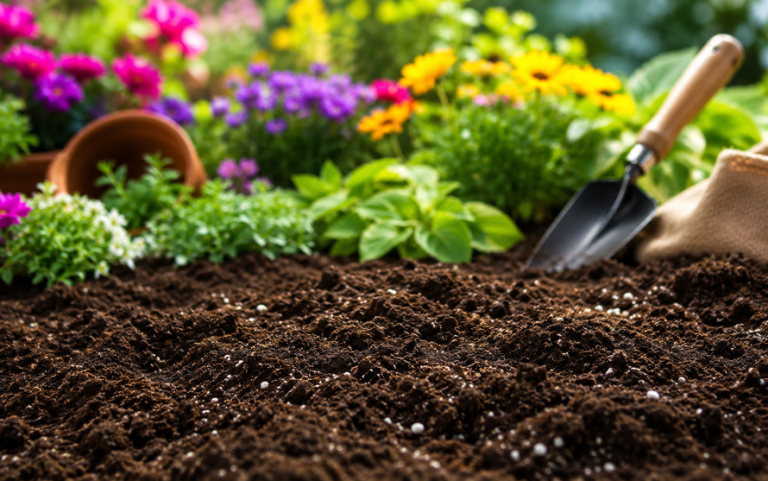
Another low-effort strategy is to focus on soil health. Healthy soil supports stronger grass, which naturally resists weeds, drought, and disease. Adding compost, improving drainage, and avoiding excessive foot traffic can all contribute to a more resilient lawn with less maintenance.
For gardeners looking to take a more targeted approach to plant nutrition, selecting the right fertilizer or nutrient solution can further support healthy growth. Products from Athena Nutrients may be considered as part of a broader soil-care routine, alongside composting, proper watering, and other sustainable lawn-maintenance practices.
You may also want to rethink the size of your lawn. Some homeowners reduce maintenance by replacing hard to maintain areas with ground covers, mulch beds, native plants, or decorative landscaping. These alternatives add colour and texture while reducing the need for mowing and watering.
Final Thoughts
A low maintenance lawn does not happen overnight, but it also should not require endless work. A few simple changes can make caring for your yard much easier while giving you more time to relax and enjoy the summer.
The best part is that most of these changes are affordable and easy to put into practice. By mowing smarter, watering more efficiently, and following a few practical lawn care habits, you can enjoy a healthy, attractive lawn without spending every weekend working in the yard. Instead, you’ll have more time to spend with family and friends while still taking pride in your outdoor space.