

6 min read
1200 words
Living with Irritable Bowel Syndrome (IBS), especially the diarrhea-predominant type (IBS-D), can feel like navigating a constant minefield. The severe bloating, urgent bathroom trips, and unpredictable cramps can disrupt your daily life and leave you feeling frustrated and searching for answers.
If you’re asking, “What can I eat without triggering my symptoms?” you’re not alone. The good news is that by understanding how different foods and fibers affect your gut, you can take control of your IBS. This guide will walk you through what to eat, what to avoid, and how targeted fiber supplements can be a game-changer for managing your digestive health.
How to Deal with Severe Bloating in IBS?
Severe bloating is one of the most uncomfortable and common symptoms of IBS. It’s often caused by a combination of factors, including a sensitive gut, slowed digestion, and the fermentation of certain foods by gut bacteria.
While there’s no magic cure, you can manage bloating by:
- Eating slowly and chewing your food thoroughly. This reduces the amount of air you swallow and eases the digestive load on your gut.
- Identifying your trigger foods. Common culprits include carbonated drinks, chewing gum (which causes you to swallow air), and high-FODMAP foods.
- Incorporating gentle movement. A short walk after meals can aid digestion and help move gas through your system.
What Foods Trigger IBS Symptoms?
While triggers are highly individual, several common food groups are known to provoke IBS symptoms in many people. The goal is not to eliminate these forever, but to identify your personal sensitivities.
Common IBS trigger foods include:
- High-FODMAP Foods: This category includes many common foods like onions, garlic, wheat, beans, lactose (in dairy), and certain fruits (like apples and pears). These carbohydrates are poorly absorbed and can ferment in the gut, causing gas, bloating, and diarrhea.
- Fatty or Fried Foods: High-fat meals can trigger strong contractions in the colon, leading to diarrhea.
- Caffeine and Alcohol: Both are stimulants that can speed up digestion and irritate the gut lining.
- Spicy Foods: Capsaicin in chili peppers can be an irritant for a sensitive gut.
What is the Best Fiber for IBS with Diarrhea?
This is a crucial question, because not all fiber is created equal, especially for IBS-D. When you have diarrhea, your gut is already moving too fast. The key is to add bulk and slow things down without causing more irritation.
For IBS with diarrhea, soluble fiber is your best friend.
For years, doctors recommended a low-fiber diet for IBS with diarrhea. While this is true for insoluble fiber, soluble fiber is incredibly helpful. It works by absorbing water in the gut, forming a gel-like substance that adds bulk to your stool. This helps to slow down digestion and can significantly reduce the urgency and frequency of diarrhea.
What’s the Difference Between Soluble and Insoluble Fiber?
Understanding this difference is the secret to managing IBS with fiber.
- Soluble Fiber: Dissolves in water to form a gel. This gel adds bulk to the stool and slows down its passage through the colon.
- Foods high in soluble fiber include: Ripe bananas, applesauce, canned fruit (peeled), oranges, grapefruit, and boiled potatoes (without skin).
- Insoluble Fiber: Does not dissolve in water. It adds “roughage” to your stool, which can speed up its passage through the intestines. For someone with IBS-D, this can be like pouring gasoline on a fire.
- Foods high in insoluble fiber include: Whole nuts, seeds, wheat bran, and the skins of many fruits and vegetables.
What Stops IBS Diarrhea Fast?
When you’re in the middle of a flare-up, you want relief now. While there’s no instant cure, here are a few strategies that can help calm things down quickly:
- Sip on clear liquids: Dehydration is a real risk with diarrhea. Water, clear broth, or an electrolyte drink can help.
- Avoid all trigger foods: Stick to simple, bland foods for a day or two, like the soluble-rich options mentioned above.
- Use a soluble fiber supplement: This is one of the most effective strategies. A fiber supplement like Metamucil or Benefiber can help firm up your stool by absorbing excess water in your gut. While not instantaneous, it can provide noticeable relief within 12-24 hours.
Fiber Supplements: Metamucil vs. Benefiber for IBS
Supplements can be a reliable way to get the right amount of soluble fiber without accidentally consuming triggers. Two of the most popular options are Metamucil and Benefiber. Here’s how they compare:
Metamucil (Psyllium Husk)
Metamucil is a fiber supplement made from psyllium husk, a natural soluble fiber.
- How it Works: Psyllium is a bulk-forming fiber. It absorbs a significant amount of water, creating a soft, gel-like mass that adds bulk to the stool and helps regulate bowel movements. This makes it particularly effective for quickly managing diarrhea.
- Benefits: In addition to IBS symptom relief, Metamucil has been shown to help manage blood sugar levels (when taken with a meal) and can help lower cholesterol as part of a heart-healthy diet.
- Considerations: It’s a good choice for immediate relief due to its strong bulking action. It’s important to drink plenty of water with Metamucil to prevent it from causing blockages.
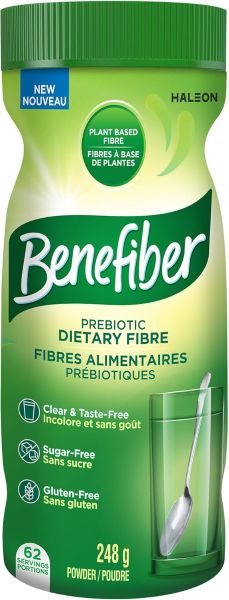
Benefiber (Wheat Dextrin)
Benefiber is a 100% wheat dextrin fiber, which is a prebiotic fiber.
- How it Works: Benefiber is a clear, dissolvable fiber that is less noticeable in drinks and food. It primarily focuses on feeding the good bacteria (probiotics) in your intestines. This helps promote a healthier gut microbiome over time, which can improve overall gut function and lead to more regular bowel movements.
- Benefits: It’s gentle on the system and works gradually to improve digestive health. Because it’s prebiotic, it supports the long-term health of your gut.
- Considerations: Benefiber can cause stomach cramps, bloating, and gas when you first start taking it. This is because the increased fiber and water are feeding your gut bacteria, which in turn produce more gas. These symptoms often subside as your body adjusts. You can minimize them by starting with a low dose, increasing it slowly, and drinking plenty of water.
Which Fiber Supplement is Right for You?
Choosing between Metamucil and Benefiber depends on your primary goal:
- Choose Metamucil if: Your main priority is firming up loose stools quickly and you also want potential benefits for blood sugar and cholesterol. Its immediate, bulk-forming action is ideal for managing IBS with diarrhea.
- Choose Benefiber if: You want to focus on long-term gut health by feeding your good bacteria. It’s a gentler, more gradual approach to improving digestive regularity.
Final Thoughts
Managing IBS with diarrhea is a journey of discovery. By focusing on soluble fiber, identifying your personal trigger foods, and considering a supplement like Metamucil or Benefiber, you can create a toolkit of strategies to calm your gut.
Always remember to introduce dietary changes and supplements slowly and consult with your doctor or a registered dietitian. They can help you create a personalized plan that addresses your specific needs and ensures you’re on the right track to better digestive health.
Disclaimer: This article is for informational purposes only and does not constitute medical advice. Please consult with a healthcare professional before making any changes to your diet or starting a new supplement.
 Jennifer Williams
  Lynn Leblanc