
6 min read
1080 words
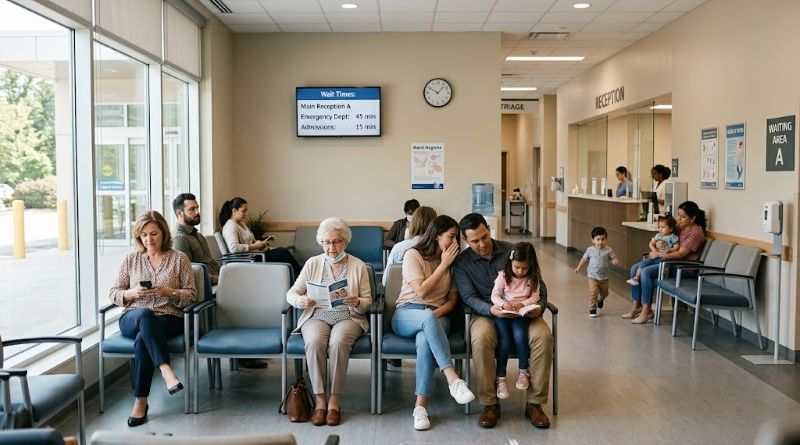
You sit in a waiting room longer than expected, watching nurses move quickly between patients, and you wonder how they keep track of everything without something slipping through. It looks organized from the outside, but you can tell there is more going on behind the scenes than what is visible.
That gap between what patients see and what actually drives care is where data quietly sits. It is not always obvious, and it is rarely explained in simple terms, but it shapes decisions in ways that most people do not notice. In healthcare today, outcomes are not just based on experience or instinct. They are supported by information that is collected, reviewed, and acted on, sometimes in small ways that add up over time.
Data Is Already Part of Care, Even If It Feels Invisible
Most people never think about data during a hospital visit. They focus on symptoms, tests, maybe prescriptions. But behind all that, information is constantly being recorded and compared. Vital signs, past visits, lab results, even small notes all build a record over time.
That information is not just stored away. It gets used. A nurse may spot a pattern that was not obvious before. A doctor may adjust treatment based on earlier responses. These are not big, sudden decisions. They are small changes that build up. Over time, this creates a clearer picture, and care becomes more precise without anyone really noticing.
Where Training Connects Data and Patient Care
Understanding how to use data in healthcare is not something that happens automatically. It requires training that goes beyond basic patient care. Nurses and healthcare professionals need to learn how to read patterns, interpret information, and apply it without losing focus on the person in front of them. This is where online msn nursing informatics program comes into the picture.
The program offered by the St. Thomas University focus on this area tend to bridge that gap between care and technology. It does not replace clinical skills. Instead, it builds on them. The goal is to help professionals make sense of large amounts of information in a way that still feels practical.
Small Patterns Often Matter More Than Big Moments
There is a tendency to focus on major events in healthcare. A diagnosis, a surgery, a critical decision. Those matter, of course. But outcomes are often shaped by smaller details that happen before and after those moments.
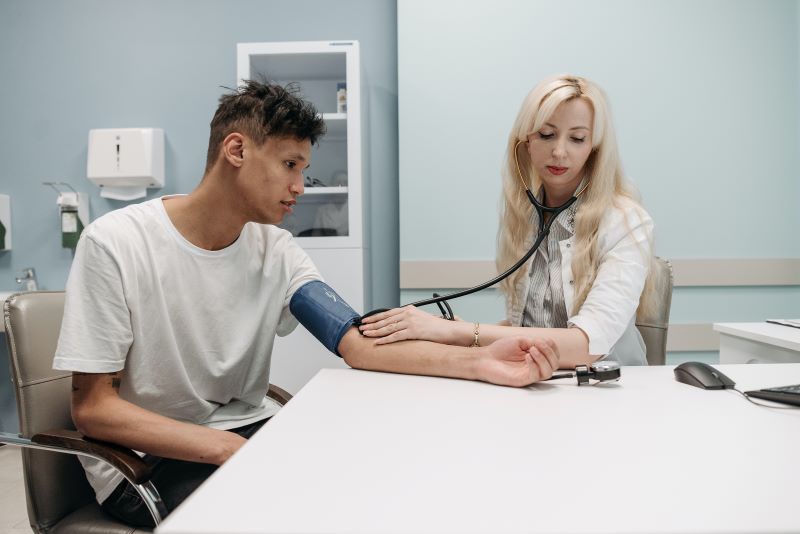
A slight change in blood pressure over several visits. A missed follow-up appointment. A medication that is not working as expected but has not been adjusted yet. These details can be easy to overlook without a system that tracks and highlights them.
Data helps bring those patterns into view. It connects pieces that might otherwise stay separate. This does not remove human judgment. It supports it by giving a clearer context. Sometimes the improvement in outcomes is not dramatic. It is gradual. Fewer complications. Faster recovery. Better long-term management. These changes are easier to see over time than in a single moment.
The Challenge of Too Much Information
While data is useful, it also creates its own problems. There is often more information than anyone can process easily. Systems can become crowded with details, alerts, and updates that compete for attention. Healthcare workers sometimes describe this as noise. Not because the data is useless, but because it can be hard to tell what matters most in a given moment.
This is where training and system design come in. Information needs to be organized in a way that supports decision-making, not slows it down. Clear displays, relevant alerts, and well-structured records make a difference. Without that, data can feel overwhelming instead of helpful. It becomes something to manage rather than something that improves care.
Communication Improves When Data Is Shared Clearly
Data does not just support individual decisions. It improves communication between healthcare teams. When information is recorded clearly and consistently, it can be shared across shifts, departments, and even different facilities.
This reduces guesswork. A nurse coming on shift does not have to piece together what happened earlier. A specialist can review a patient’s history without starting from scratch.
Patients benefit from this more than they realize. Care feels smoother. Fewer details are lost. Treatment plans stay consistent. This kind of coordination is not always visible, but it shapes the overall experience. It makes care feel more connected, even when multiple people are involved.
Patients Are Becoming More Aware of Their Own Data
There has also been a shift in how patients interact with their own information. Access to health records, wearable devices, and tracking apps has made data more visible outside of clinical settings. People can now see trends in their own health. Steps taken, heart rate changes, sleep patterns. This does not replace professional care, but it adds another layer of awareness.
Some patients find this helpful. Others feel overwhelmed by it. Either way, it changes the dynamic slightly. Patients are no longer just receiving information. They are part of it. This creates new challenges as well. Not all data is equally useful, and not all trends are meaningful. Interpreting this information still requires guidance.
Data Does Not Replace Care, It Supports It
There is sometimes a concern that more data means less human connection in healthcare. That care becomes more mechanical or distant. In practice, the opposite can happen when data is used well. When routine decisions are supported by clear information, healthcare professionals can focus more on the patient. They spend less time guessing and more time listening.
The key is balance. Data should inform care, not take over it. It should make interactions more focused, not less personal. This balance is still being worked out in many places. It is not perfect. But it is moving in a direction where information supports care rather than competing with it.
Outcomes Improve in Ways That Are Easy to Miss
Improved patient outcomes are not always dramatic or immediate. They often show up in quieter ways. Fewer readmissions. Better management of chronic conditions. Reduced errors. These improvements are tied to consistency. Better tracking, clearer communication, more informed decisions. Each piece on its own might seem small. Together, they change how care is delivered.
That is the hidden role of data. It works in the background, shaping decisions without drawing attention to itself. Most patients will never think about it directly. They will just notice that care feels more coordinated, more responsive, and slightly more predictable.
 Debbie Price
  Jennifer Williams