
5 min read
900 words
Living with Irritable Bowel Syndrome (IBS) can feel confusing and frustrating. You might wonder if your symptoms are “normal” or if they will ever go away. The good news is that our understanding of gut health is better than ever. This 2026 guide covers what to know about IBS today. We will look at new symptom trends, the best treatments, and expert tips to help you feel better. Whether you are newly diagnosed or have dealt with this for years, this article is here to help you find bloating relief and improve your quality of life.
IBS Symptoms in 2026: What’s Changed?
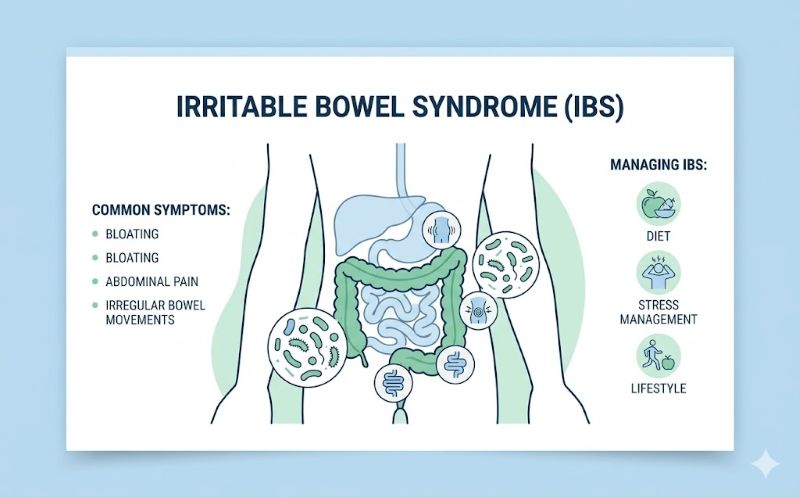
While the core signs of IBS remain the same, how we view them has shifted. In 2026, doctors are paying more attention to how lifestyle affects these symptoms.
Here are the main IBS symptoms to watch for:
- Stomach Pain and Cramping: This is the most common sign. The pain often feels like a sharp ache or cramp in your lower belly.
- Bloating: Many people feel like their stomach is full of gas or looks swollen. Finding bloating relief is a top priority for most patients.
- Changes in Bowel Habits: This includes diarrhea (IBS-D), constipation (IBS-C), or a mix of both (IBS-M).
- Brain Fog and Fatigue: In 2026, we know more about the “gut-brain connection.” Many people with IBS also feel tired or have trouble focusing.
What’s New? Doctors now know that stress plays a bigger role than we thought. In the past, we focused only on food. Now, experts know that managing stress is just as important as following an IBS diet.
Best IBS Treatments According to Gastroenterologists
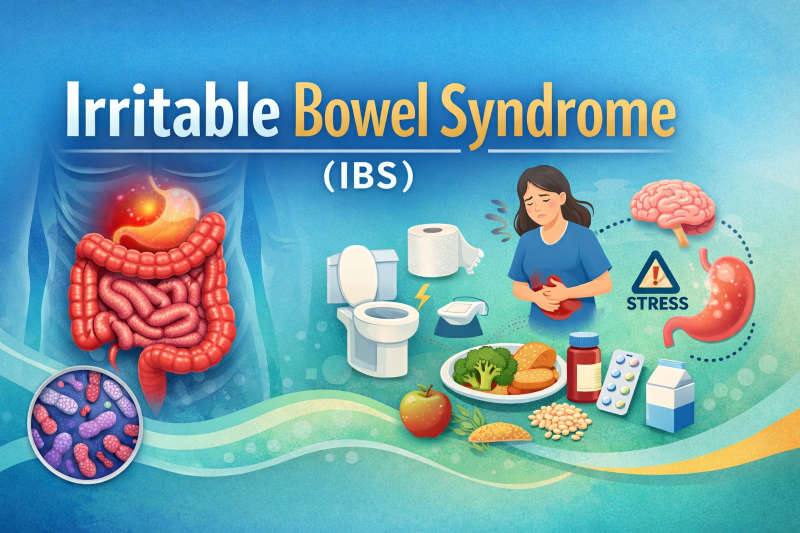
There is no single “cure” for IBS, but there are many ways to manage it. Gastroenterologists (gut doctors) recommend a mix of lifestyle changes and medical help.
Here are the top treatments for 2026:
- The Low FODMAP Diet: This is one of the most effective tools. It involves temporarily cutting out certain foods that are hard to digest. This helps you identify which foods trigger your symptoms.
- Fiber Supplements: Soluble fiber (like psyllium husk) can help regulate bowel movements without making gas worse.
- Stress Management: Techniques like mindfulness, therapy, and yoga are now standard medical advice for IBS.
- Medications: Depending on your symptoms, doctors may prescribe specific pills to help with pain or bowel habits.
Medications for IBS: What You Need to Know
Medication can be a helpful part of your treatment plan. However, it is important to use them correctly. Here is a simple breakdown of common options:
- Antispasmodics: These help relax the muscles in your gut to stop cramping.
- Laxatives: If you have IBS-C (constipation), gentle fiber supplements or prescription laxatives can help keep things moving.
- Anti-Diarrheal Medications: These are used for IBS-D to control urgent bathroom trips.
- Newer Prescription Drugs: In recent years, new medications have been approved that target gut nerves and fluids. Always ask your doctor if these are right for you.
Expert Tip: Never mix medications without checking with a doctor. What works for one person might not work for another.
IBS and Probiotics: Do They Really Help?
You have probably seen probiotics in yogurt and supplements. But do they actually help IBS?
The answer is: Maybe. Probiotics are “good” bacteria that live in your gut. For some people, taking a daily probiotic can balance their digestion and reduce bloating. However, not all probiotics are the same.
- Strain Matters: Different strains of bacteria do different jobs. Look for strains like Bifidobacterium infantis or Lactobacillus plantarum, which have shown promise for IBS.
- Give It Time: Probiotics are not a quick fix. You usually need to take them for 2–4 weeks to see a difference.
- Food First: Eating fermented foods like yogurt, kefir, or sauerkraut is a natural way to get probiotics.
Common IBS Myths That Could Be Making Symptoms Worse
There is a lot of bad information online. Believing these myths can actually make your symptoms worse. Let’s clear up the confusion.
Myth 1: “You just need to eat more fiber.”
- Fact: While fiber is healthy, too much insoluble fiber (like wheat bran or raw veggies) can irritate a sensitive gut. Stick to soluble fiber (like oats and bananas) first.
Myth 2: “IBS is just in your head.”
- Fact: IBS is a real medical condition. While stress affects it, the pain and discomfort are physical. You deserve treatment and support.
Myth 3: “You have to cut out all carbs.”
- Fact: You don’t need to starve yourself. The goal is to find the right carbs. The Low FODMAP diet helps you do this safely.
Myth 4: “Drinking more water fixes everything.”
- Fact: Water is essential for gut health, but it won’t cure IBS on its own. It works best when combined with a good diet and medication.
Final Thoughts: Your 2026 Action Plan
Managing IBS is a journey, not a race. By understanding your symptoms and using the right treatments, you can take control of your gut health.
Here is your quick checklist to get started:
- Track your food and symptoms in a journal.
- Try a Low FODMAP diet under the guidance of a dietitian.
- Ask your doctor about medications and probiotics.
- Prioritize stress relief every day.
Remember, you are not alone. With these expert tips, you are on the path to better gut health in 2026.
Disclaimer: This article is for informational purposes only and does not constitute medical advice. Always consult with a healthcare professional before starting any new diet or medication.
 Julie Veenstra
  Lynn Leblanc
  Lisa
Lisa