

5 min read
838 words
The thyroid gland may be small—about the size of a butterfly sitting at the base of your neck—but its impact on your overall health is enormous. This tiny gland plays a major role in regulating your metabolism, energy levels, mood, and even brain function. When it’s not working properly, the effects can be far-reaching. In Canada, thyroid conditions are more common than you might think. Approximately 1 in 10 Canadians lives with a thyroid disorder—and for women, the numbers are even higher. 1 in 8 women will experience a thyroid issue at some point in their lifetime. Despite their prevalence, up to 50% of thyroid conditions go undiagnosed, often because symptoms are mistaken for stress, aging, or other health concerns. While both hypothyroidism (underactive thyroid) and hyperthyroidism (overactive thyroid) affect many Canadians, hypothyroidism is the most common, especially among women over 45. Let’s take a closer look at what causes hypothyroidism in women, how to spot the signs, and what treatment options are available.
What Is Hypothyroidism?
Hypothyroidism occurs when your thyroid gland doesn’t produce enough thyroid hormones—specifically thyroxine (T4) and triiodothyronine (T3)—which are essential for regulating your body’s metabolism, temperature, heart rate, and more.
When hormone levels drop too low, your body’s functions slow down. This can lead to a range of symptoms, including:
- Persistent fatigue and low energy
- Unexplained weight gain
- Sensitivity to cold
- Dry skin and brittle nails
- Hair thinning or loss
- Constipation
- Depression or brain fog
- Irregular or heavy menstrual periods
Because these symptoms develop gradually, many women dismiss them as part of aging, menopause, or a busy lifestyle. But left untreated, hypothyroidism can contribute to serious health issues like heart disease, infertility, and high cholesterol.
Why Are Women More at Risk?
Thyroid disorders affect women up to 8 times more frequently than men. While the exact reason isn’t fully understood, experts believe a combination of hormonal, genetic, and autoimmune factors play a key role.
Hormonal fluctuations during key life stages—such as puberty, pregnancy, postpartum, and menopause—can trigger or worsen thyroid dysfunction. For example:
- Postpartum thyroiditis affects up to 1 in 10 women after childbirth and can lead to temporary or permanent hypothyroidism.
- Menopause can mask or mimic thyroid symptoms, making diagnosis more challenging.
Additionally, autoimmune conditions like Hashimoto’s thyroiditis are the leading cause of hypothyroidism in women. In this condition, the immune system mistakenly attacks the thyroid gland, gradually impairing its ability to produce hormones.
What Causes Hypothyroidism in Women?
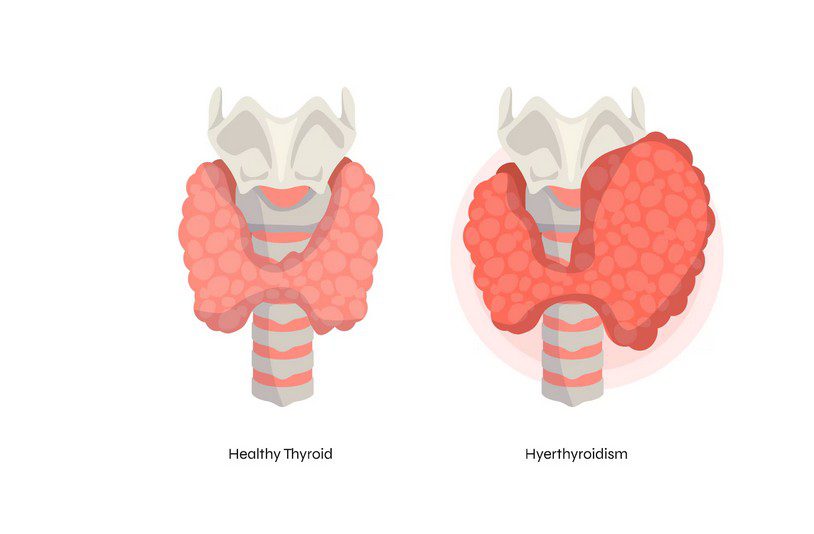
While several factors can contribute to an underactive thyroid, the most common causes in women include:
- Hashimoto’s Thyroiditis – The most frequent cause, this autoimmune disorder is hereditary and more common in women with a family history of thyroid or other autoimmune diseases (like type 1 diabetes or lupus).
- Thyroid Surgery or Radiation Treatment – Women who’ve had part or all of their thyroid removed—or undergone radioactive iodine treatment for hyperthyroidism—are at high risk of developing hypothyroidism.
- Medications – Certain drugs used to treat heart disease, mental health conditions, or cancer can interfere with thyroid function.
- Iodine Deficiency – Though rare in Canada due to iodized salt, too little iodine can impair hormone production.
- Pituitary Gland Disorders – In rare cases, problems with the pituitary gland can disrupt signals that tell the thyroid to produce hormones.
How Is Hypothyroidism Treated?
The good news? Hypothyroidism is highly treatable. The standard treatment is daily levothyroxine, a synthetic form of the thyroxine (T4) hormone your thyroid isn’t producing enough of.
Most patients start to feel better within weeks of beginning treatment. Your doctor will monitor your TSH (Thyroid-Stimulating Hormone) levels through regular blood tests to determine the right dosage. Once stabilized, you’ll likely need annual testing to ensure your levels remain in the optimal range.
Tips for Effective Treatment:
- Take levothyroxine on an empty stomach, usually 30–60 minutes before breakfast.
- Avoid taking it with calcium, iron, or certain supplements, as they can interfere with absorption.
- Be consistent with your medication time and brand (switching brands may require dose adjustments).
- Report any ongoing symptoms to your healthcare provider—even if your labs appear “normal.”
When to See a Doctor
If you’re experiencing unexplained fatigue, weight gain, or mood changes—especially if you’re over 45 or have a family history of thyroid disease—talk to your doctor. A simple blood test can confirm whether your thyroid is the culprit.
Early diagnosis and treatment not only improve your quality of life but can also prevent long-term complications.
The Bottom Line
Thyroid health matters—especially for women. With rising rates of thyroid dysfunction and thyroid cancer, awareness is key. You don’t have to struggle with unexplained symptoms. If you suspect hypothyroidism, reach out to your healthcare provider. With proper diagnosis and treatment, most women go on to live full, healthy, and energetic lives.
Take control of your thyroid health today. Listen to your body—it’s often trying to tell you something important.
All content on this platform is provided for educational purposes only and is not a substitute for medical advice, diagnosis, or treatment.
 Jennifer Williams
  Lynn Leblanc