

4 min read
653 words
As the temperature drops and winter sets in, many of us notice a familiar, unwelcome guest: aches and pains. That dull throb in your knees, the stiffness in your back, or the general sense of discomfort can make the colder months a real challenge. But why does this happen, and more importantly, how can you find relief? If you’re tired of letting cold weather dictate your comfort, you’ve come to the right place. Here’s a friendly guide to understanding and preventing those nagging winter aches.
Why Does Cold Weather Cause Aches and Pains?
First, let’s quickly look at why you might feel more aches when the mercury plummets. It’s not just in your head! A few key factors are at play:
- Muscle Contraction: In cold temperatures, your muscles naturally contract and tighten to generate heat. This tension can lead to stiffness, cramping, and discomfort.
- Reduced Blood Flow: Cold causes blood vessels to constrict. This reduced circulation means less oxygenated blood reaches your muscles and joints, which can increase sensitivity and pain.
- Barometric Pressure Changes: A drop in air pressure before a storm can cause tissues in your body to expand slightly, putting extra pressure on nerves and sensitive joints, especially those affected by old injuries or arthritis.
6 Practical Tips to Prevent Winter Aches
Ready to fight back against the chill? Incorporating these simple habits into your daily routine can make a world of difference in managing and preventing cold-weather aches.
1. Dress in Warm, Layered Clothing
This is your first line of defense. Layering helps trap body heat, keeping your muscles warm and preventing them from tightening up. Pay special attention to areas prone to pain—wear gloves to protect your hand joints, and consider knee-high socks or thermal leggings to keep your legs and knees warm.
2. Keep Moving with Gentle Exercise
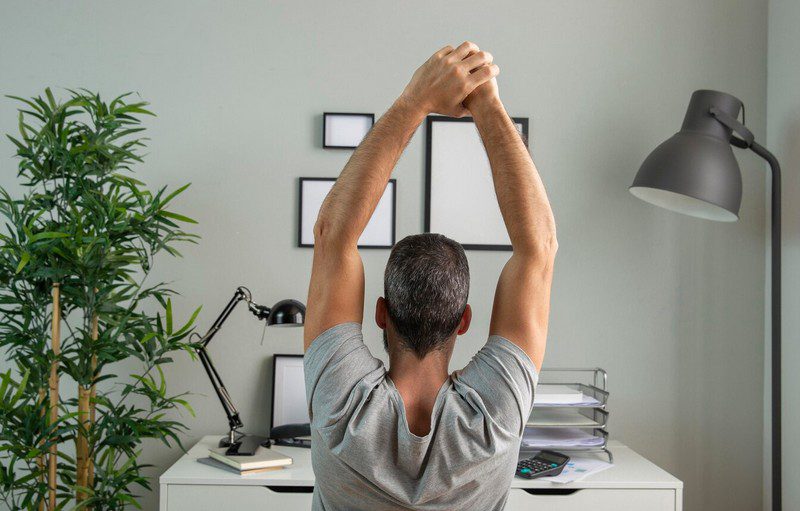
When you feel stiff, the temptation might be to stay sedentary, but movement is crucial. Regular, low-impact exercise like walking, or swimming boosts circulation and keeps joints lubricated. Simple stretching in the morning can also work wonders to release overnight stiffness and prevent daytime aches. Just remember to warm up properly before any activity, especially in a cold environment.
3. Stay Hydrated and Nourished
It’s easy to forget to drink water when you’re not feeling hot, but hydration is key for healthy muscle and joint function. Dehydration can worsen cramps and aches. Additionally, focus on an anti-inflammatory diet rich in omega-3 fatty acids (like salmon and walnuts), antioxidants (found in berries and leafy greens), and spices like turmeric and ginger.
4. Soak in Warmth
A warm bath or shower is more than just a comforting escape from the cold. The heat helps relax tight muscles, reduce stiffness, and improve blood flow throughout your body. Adding Epsom salts to your bath can provide extra relief, as magnesium in the salts is known to help with muscle relaxation.
5. Create a Warm and Ergonomic Environment
Your home environment plays a significant role. Avoid sitting in drafts and consider using a heating pad on sore areas like your lower back or knees for 15-20 minutes. If you work from a desk, ensure your setup is ergonomic to prevent added strain on your neck, shoulders, and back.
6. Listen to Your Body
Finally, and perhaps most importantly, pay attention to what your body is telling you. If a certain activity makes your aches worse, take a break or modify it. Don’t push through sharp pain. Rest is just as important as movement for recovery and prevention.
Embrace Winter Comfortably
You don’t have to resign yourself to a season of discomfort. By staying warm, active, and mindful, you can effectively manage and prevent cold weather aches. These small changes will help you feel more comfortable and allow you to enjoy all the wonderful things winter has to offer.
What are your go-to tricks for staying pain-free in the cold? Share your tips in the comments below
 Jennifer Williams
  Lynn Leblanc