

3 min read
515 words
An unexpected change in your health can feel disorientating. One appointment, diagnosis, or incident can quickly reshape how you work, move, and live your life. While the uncertainty can feel overwhelming, you still have control over how you respond and what support you put in place. By approaching this transition with structure and informed decision-making, you can protect your well-being, independence, and your long term security.
Securing specialised legal and financial support
Unexpected health outcomes often bring costs you may not have planned for, such as mobility aids, home adaptations, or reduced income if you cannot return to work in the same way. In situations where substandard medical care contributed to your condition, speaking with medical negligence solicitors can help you understand whether you have grounds for a claim. A solicitor can assess medical records, obtain expert opinions, and explain likely outcomes in clear terms. This process focuses on securing compensation that covers long-term care, rehabilitation, and loss of earnings, which can ease financial pressure and allow you to prioritise recovery rather than constant budgeting.
Prioritising mental health and emotional resilience
Physical health changes often affect your emotional state, even if you initially try to stay focused on practical matters. You may experience frustration, anxiety, or a sense of loss for the life you had before, which deserves acknowledgement rather than dismissal. Speaking to your GP about mental health support can lead to access to talking therapies or specialist services, while charities linked to your condition often provide tailored emotional guidance. Processing these feelings supports motivation during rehabilitation and helps you maintain focus during long recovery periods.
Modifying your environment for independence
Your home environment plays a significant role in how confident and capable you feel each day. An occupational therapist arranged through your local council can assess your living space and recommend adaptations such as grab rails, ramps, or adjusted work surfaces. These changes reduce physical strain and lower the risk of falls, which in turn decreases anxiety around everyday tasks. Adapting your surroundings to suit your current needs can restore a sense of control and reduce reliance on others for basic activities.
Building a sustainable support network
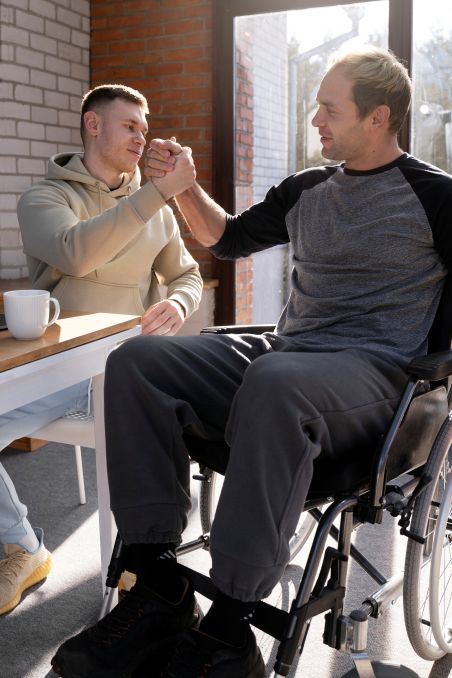
Practical and emotional support makes a measurable difference when you adjust to long-term health changes. Friends or family can help with transport, appointments, or household tasks, while professional carers provide consistency when needs increase. Many UK-based support groups connect you with people who share similar experiences and can offer practical advice grounded in real life. Feeling understood within your social circle reduces isolation and makes challenges feel more manageable.
Establishing new realistic milestones
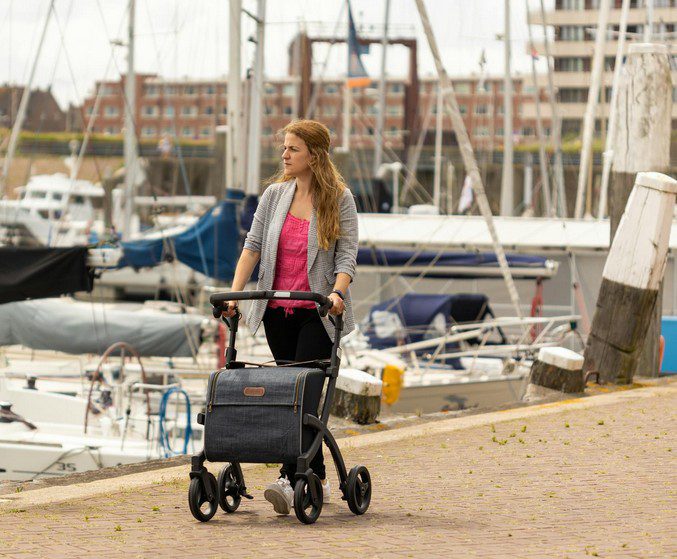
Progress isn’t always linear. Instead of comparing yourself to your pre-health change self, focus on small milestones—walking a little further, regaining a daily routine, or mastering a new tool. Celebrating these wins builds confidence and keeps you moving forward, one step at a time.
A health change may redefine your path—but it doesn’t define you. By taking informed steps, seeking the right support, and setting kind, realistic goals, you can adapt with strength and purpose. You’ve got this.
 Hailey Reynolds
  Lynn Leblanc