

8 min read
1455 words
Choosing the right care environment for an aging loved one ranks among the toughest decisions families ever make. As parents and relatives grow older, their needs change in ways that demand careful thought about living arrangements, ones that strike the right balance between independence, medical support, social connection, and overall quality of life. Getting a solid grasp on what separates senior living communities from nursing homes helps families make choices that truly fit their loved one’s health situation, what lies ahead, and personal wishes. This decision shapes not just the senior’s everyday experience but also brings peace of mind to the whole family and helps everyone stay meaningfully connected across generations.
Understanding Senior Living Communities
Senior living communities cover a wide range of residential options designed for older adults who still enjoy a good measure of independence but appreciate, or need, a supportive environment. These communities typically welcome seniors who can handle most daily tasks on their own, though help with housekeeping, cooking, or getting around might be part of the package. Residents generally live in their own private apartments or cottages, keeping their personal space while enjoying shared amenities like dining rooms, fitness centers, libraries, and activity areas. What really sets these communities apart is their focus on enhancing lifestyle, building social connections, and promoting wellness rather than providing round-the-clock medical care.
The social scene in senior living communities often feels more like a resort than a care facility, with planned activities, educational opportunities, entertainment, and plenty of chances to pursue hobbies and interests. Many communities organize group trips, bring in performers, offer classes on everything from painting to computers, and encourage residents to start their own clubs. This lively social atmosphere tackles isolation and loneliness head-on, two factors research consistently links to serious health problems in older adults. Being able to maintain independence while making new friends and diving into engaging activities makes senior living communities especially attractive for active seniors ready to simplify life without giving up control.
Defining Nursing Homes and Their Services
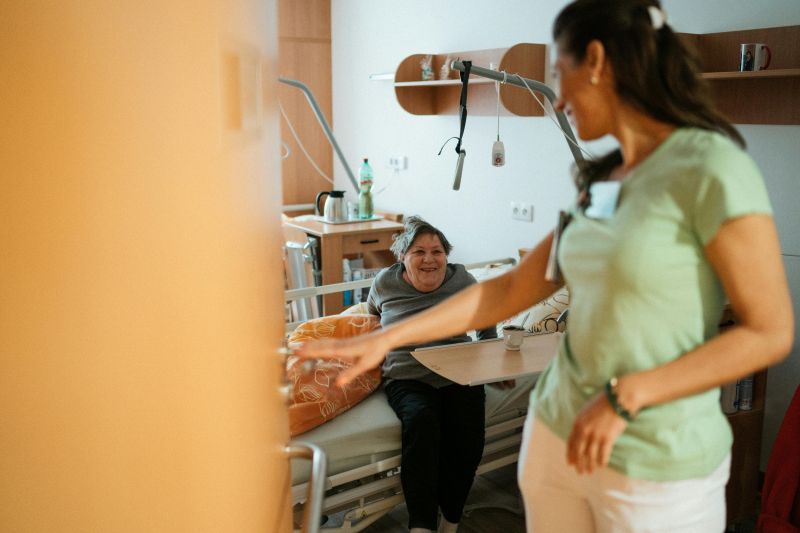
Nursing homes, sometimes called skilled nursing facilities, provide thorough medical care and constant supervision for people facing significant health challenges, chronic conditions, or disabilities that make independent living impossible. These facilities staff licensed nurses around the clock, with doctors regularly checking in on residents and overseeing treatment plans. Nursing homes serve residents who need help with several activities of daily living, including bathing, getting dressed, using the bathroom, taking medications correctly, and moving safely. It’s this medical-centered approach that really distinguishes nursing homes from other senior housing options, since the main priority centers on clinical treatment, rehabilitation, and managing complex health issues.
The structured setup in nursing homes ensures residents get proper medical attention, therapeutic care, and personal assistance based on individualized care plans. Physical therapists, occupational therapists, speech pathologists, and other specialists work right in these facilities to help residents bounce back from surgeries, strokes, or injuries, or to manage progressive conditions like advanced dementia or Parkinson’s disease. While nursing homes maintain higher staff-to-resident ratios than senior living communities, the atmosphere tends to feel more institutional, with shared rooms being fairly common and activities designed to work for residents with varying cognitive and physical abilities.
Assessing Care Needs and Health Conditions

Figuring out which option works best for your family member starts with taking an honest look at current and future care needs. Seniors who stay relatively healthy, mobile, and mentally sharp usually do well in senior living communities where independence gets encouraged and protected. Those experiencing mild memory issues but not needing constant watching may also succeed in specialized memory care sections within senior living settings. However, people with advanced dementia, serious chronic illnesses requiring frequent medical care, severe mobility problems, or conditions demanding regular nursing assessments generally need the intensive support that only nursing homes can provide.
Think beyond today’s situation and consider realistic projections about health changes over the coming years. For professionals guiding families through these decisions, communities like Summer Breeze create environments where seniors can start in independent living and move to assisted living or memory care on the same campus as needs grow, keeping location and relationships consistent. Others might temporarily stay in nursing homes for rehabilitation after hospital stays, then return to less intensive settings once they’ve recovered. Talking with doctors, geriatric care managers, and social workers brings valuable insight into matching care environments with specific medical, cognitive, and functional abilities. Families should also think about whether the senior can safely call for help when necessary, keep up with medication schedules, and respond appropriately during emergencies.
Comparing Costs and Financial Considerations
The financial side of things differs substantially between senior living communities and nursing homes, affecting long, term affordability and how families pay for care. Senior living communities typically work on a private-pay basis, with monthly fees covering housing, amenities, some meals, and basic services. These costs vary widely depending on location, apartment size, and service levels, generally ranging from moderate to premium pricing. Most private health insurance and Medicare don’t cover senior living community expenses, though some communities do accept long-term care insurance depending on what specific policies cover.
Nursing home care costs considerably more than senior living communities because of intensive medical staffing and clinical services. These facilities accept various payment methods including Medicare for short-term rehabilitation stays after hospitalization, Medicaid for qualified individuals with limited resources, long-term care insurance policies, veterans’ benefits, and private payment. Medicare coverage stays time-limited and requires meeting specific standards, while Medicaid has strict income and asset requirements that change from state to state. Families should dig deep into payment options, understand coverage limits, and plan for potential spend-down scenarios when considering nursing home placement.
Evaluating Quality of Life Factors
Beyond medical needs and money matters, quality of life elements make a huge difference in how satisfied people are with their chosen living arrangements. Senior living communities generally offer more privacy, autonomy, and dignity, letting residents stick to personal routines, decorate spaces how they like, and come and go with few restrictions. The focus on wellness, engagement, and social connection supports emotional health and gives people a sense of purpose. Residents often say they feel part of a community rather than like patients in an institution, which positively affects mental health and overall satisfaction with life.
Nursing homes, while delivering essential medical care, may require compromising certain lifestyle preferences due to facility rules, shared rooms, and structured schedules needed for clinical operations. That said, quality nursing homes still make resident dignity a priority, work with individual preferences wherever possible, and create opportunities for meaningful activities and social interaction within appropriate therapeutic boundaries. Families should visit potential facilities several times, watch how staff interact with residents, try the food, join in activities, and trust their gut about the overall feel and care philosophy. The best environment ultimately comes down to balancing medical necessity with preserving as much independence, comfort, and engagement as each person’s circumstances allow.
Making the Transition Easier
Once the right care setting gets identified, thoughtful transition planning helps seniors adjust more successfully to their new surroundings. Involving the senior in decisions whenever their cognitive abilities allow shows respect for their independence and increases acceptance of necessary changes. Touring facilities together, talking through concerns openly, and acknowledging how emotionally difficult it is to leave a longtime home validates feelings while moving forward practically. Bringing familiar belongings, photographs, and treasured items helps create a sense of continuity and comfort in new surroundings.
Staying actively involved after the move proves essential for ongoing well, being regardless of which care setting gets chosen. Regular visits, phone calls, joining in facility activities, and advocating for quality care reinforces that moving to a care community represents continued family commitment rather than abandonment. Families should build relationships with staff members, attend care planning meetings, and keep tabs on how their loved one is adjusting and whether they’re satisfied. Being present and engaged allows families to tackle concerns quickly, celebrate positive moments, and ensure their loved one receives appropriate, compassionate care that honors their dignity and individual needs.
Conclusion
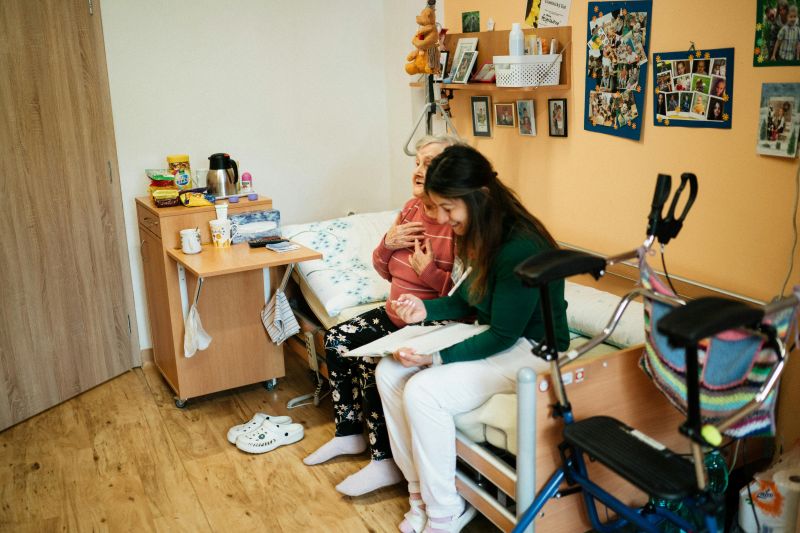
Deciding between senior living communities and nursing homes takes careful analysis of multiple factors including current health, anticipated care needs, financial resources, and quality of life priorities. Senior living communities work well for those maintaining relative independence who benefit from supportive environments that emphasize social engagement and lifestyle enhancement. Nursing homes deliver essential medical care and supervision for individuals with significant health challenges requiring professional nursing and clinical services. By thoroughly assessing your loved one’s unique circumstances, consulting healthcare professionals, visiting potential facilities, and thinking through both present and future needs, families can make confident decisions that support their senior’s well-being, dignity, and quality of life during this important transition.
 Kim Monroe
  Kayla Baptiste
  Kate M