
3 min read
594 words
If you’ve not been looking after yourself recently, chances are you’ll be feeling it. Maybe you had an indulgent Christmas and haven’t managed to get back on track yet, or you might have been making bad choices because of your mental health, a lack of time, or a million reasons in between. It happens, life happens, and for most of us our nutrition isn’t perfect every day. But if you know you’ve not been consuming the right things and are feeling sluggish and bloated, or suffering with worse side effects of your usual health conditions, then you’ll know it’s time to do something about it. Here are some of the things that you might be lacking, and what to do about it.
Iron and oxygen levels
Iron plays a key role in carrying oxygen from the lungs around the body. It’s part of the protein ‘hemoglobin,’ and having too little of this will result in anaemia. Long-term blood loss within the body can cause this, think things like peptic ulcers, cancers, and hiatus hernias. If you have any suspicion that you have an underlying health issue, it’s so important to get it checked out; a simple screening could save your life. In the case of a hernia repair, having that fixed up will make you feel much better and also stop the anemia issues long term. Of course, it’s not to say that everyone with low iron has something major going on; in some cases, it can be a result of heavy periods in women. It could also be caused by a poor diet too; either way, having a blood test done and getting it checked is easy. If you’re low, a course of iron tablets usually does the trick. In more extreme cases of low iron, you may need an IV infusion. Iron replacement works fast and resolves symptoms really quickly; most people feel a lot better extremely fast once their levels are back up. Eating a diet with plenty of good natural iron in, like leafy green veg and moderate amounts of red meat, can be a good way to protect your stores from getting too low.
Vitamin B12 and nerve health
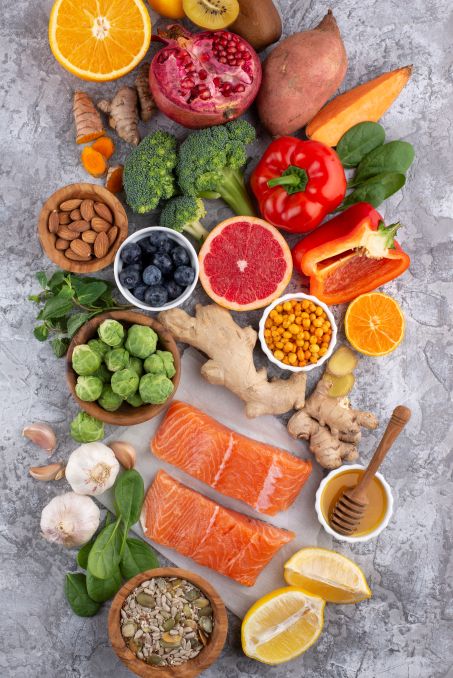
Vitamin B12 helps keep the body’s nerve and blood cells healthy. It helps make DNA (which is, of course, the genetic material in all of our cells). To be absorbed by the body, the vitamin must first be separated from the protein it is attached to by hydrochloric acid in the stomach. It then needs to combine with a protein made by the stomach, known as ‘intrinsic factor,’ before absorption can happen. You can get B12 from beef liver, sardines, salmon, and tuna. There are fortified foods that vegans and vegetarians can eat if you don’t consume meat products. Supplements are useful, too, if you fall into this category.
Magnesium and muscle function
Magnesium is involved in a surprisingly wide range of processes in the body. This includes regulating muscle and nerve function, blood sugar levels, and blood pressure. It helps to make protein, bone, and even DNA! A deficiency can be linked to things like alcohol abuse, chronic stress, uncontrolled diabetes, and ongoing digestive issues (such as vomiting or diarrhea). If you know you have any of these issues going on, getting to the root cause first is important. Most people can safely add magnesium supplements to their diets, and you can get good amounts in your diet by eating things like spinach, quinoa, and black beans.
 Hailey Reynolds