Simple Ways to Reduce Monthly Expenses
10 min read
1867 words
Looking for ways to reduce monthly expenses? Sometimes the answer is hiding in the small purchases we barely notice. Do you really need to stop at Tim Hortons twice a day? Are you actually watching anything on StackTV, or is it just sitting there quietly attached to your Prime account? And when was the last time you listened to anything other than local radio on your SiriusXM subscription?
Most of us have a few expenses like this. They are not big enough to cause alarm, and they often feel harmless in the moment. But over time, these small purchases can become sneaky money leaks that slowly drain your bank account.
When people feel financial pressure, they usually look at the biggest expenses first: mortgage payments, rent, car loans, groceries, and insurance. While those costs certainly matter, it is often the smaller everyday spending habits that are easier to overlook.
The good news is that finding these small expenses is one of the easiest ways to save money without making major lifestyle changes. You do not need to give up everything you enjoy. Sometimes, a few simple adjustments can free up extra money each month without feeling like a sacrifice.
Why Small Expenses Add Up Faster Than You Think
A $5 purchase does not feel like a financial decision. It feels like a small treat. Maybe it is a coffee, a snack while running errands, or a quick app upgrade because it is only a few dollars.
The problem is that we often look at each purchase separately instead of adding them together. A single coffee is not the issue. A daily coffee habit, a few convenience purchases, several subscriptions, and online shopping can quietly become a much larger expense.
Consider how quickly small purchases can grow:
- A $5 daily coffee habit can cost about $150 a month or more than $1,800 a year.
- A $12 subscription you barely use costs $144 every year.
- A few weekly convenience purchases can easily add hundreds of dollars annually.
None of these expenses are automatically “bad.” The question is whether they are adding value to your life or simply disappearing from your bank account without you noticing.
Forgotten Subscriptions and Memberships
Subscriptions are one of the easiest places to find hidden spending. Companies make signing up simple, and automatic payments mean you may continue paying long after you stop using the service.
Take a look at your streaming services, fitness apps, cloud storage, gaming subscriptions, and monthly boxes. That free trial you signed up for six months ago may still be charging your credit card every month.
Before keeping any subscription, ask yourself:
- Am I actually using this?
- Would I sign up for it again today?
- Is there a free or less expensive option?
Reviewing these recurring charges is one of the simplest ways to reduce monthly expenses. Canceling even one or two unused subscriptions can put money back into your budget every month.
If you need help finding forgotten charges, check out our guide on Hidden Subscription Costs You May Be Missing.
Convenience Purchases
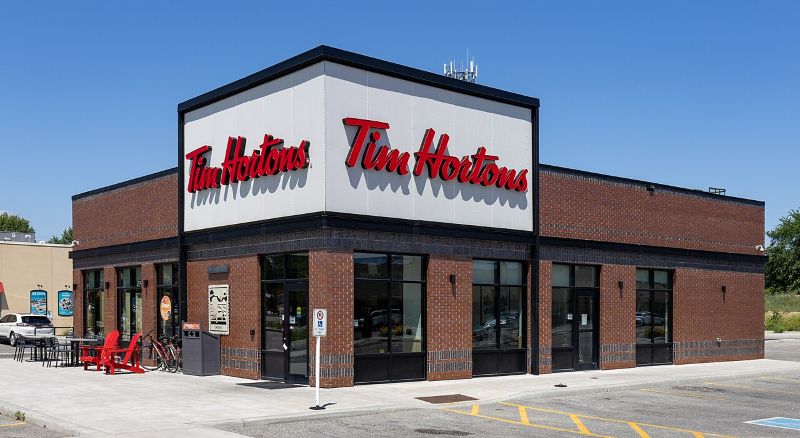
Convenience makes life easier, especially when we are busy. There is nothing wrong with ordering dinner after a long day or grabbing a coffee while running errands. The problem happens when convenience spending becomes an everyday habit.
Common examples include:
- Food delivery: Service fees, delivery charges, and tips can sometimes add more to your meal than the food itself.
- Daily coffee runs: A coffee here and there is enjoyable, but multiple trips each week can add up quickly.
- Convenience store purchases: Paying a few dollars for a drink or snack that costs much less when purchased at the grocery store.
The goal is not to remove every little pleasure. A weekend coffee with a friend or an occasional takeout meal is part of enjoying life. The key is making those purchases intentional rather than automatic.
Bank Fees and Financial Charges
Many people carefully watch their spending but overlook the fees attached to managing their own money. Unfortunately, small banking charges can quietly add up.
Look for:
- Monthly account fees
- ATM charges
- Overdraft fees
- Credit card interest
- Paper statement fees
Review your bank statements regularly. You may discover you are paying for services you no longer need or fees that could easily be avoided by changing accounts or habits.
Paying Twice for the Same Thing
Duplicate services are another common money leak. Sometimes we sign up for something new but forget about the old service sitting in the background.
For example, you might have several streaming services, multiple music subscriptions, or roadside assistance included with one service while paying separately for another.
Ask yourself if you are getting enough value from each membership. Sometimes cancelling one unused service takes less than ten minutes and immediately puts money back into your budget.
Food Waste and Grocery Spending Mistakes
Your grocery bill is another area where small habits can make a big difference. Food waste is essentially throwing money into the garbage, and most households do it more often than they realize.
Simple ways to reduce grocery waste include:
- Planning meals before shopping.
- Checking your fridge and pantry first.
- Buying only what you will realistically use.
- Trying store brands when they offer the same quality for less money.
That container of forgotten leftovers hiding behind the milk is not just taking up space. It is money you already spent.
Grocery shopping is another area where small habits can quietly drain your budget. Many of us have good intentions when we walk into the store, but sometimes those extra purchases seem to find their way into the cart.
Before you know it, the pantry starts looking less like a kitchen cupboard and more like a small food bank. Of course, there is always a perfectly reasonable explanation from my wife: “Honey, it was on sale.” That three-for-one deal may have seemed like a bargain at the time, but if half of it sits untouched until it expires, it was not exactly saving money.
Sales can be a great way to stretch your grocery budget, but only when you are buying things you will actually use. A bargain is not really a bargain if it ends up forgotten at the back of the cupboard.
Energy and Household Money Leaks
Sometimes the biggest household money leaks are not big expenses at all. They are small habits that happen every day without anyone really noticing.
For example, my grandson has a habit of leaving the TV on while he is not even watching it. Instead, he is usually busy on his cell phone, while the television is providing background entertainment for absolutely nobody. I always joke that the TV must be enjoying the show more than he is! Small daily habits like this can increase your utility bills without you realizing it.
While one television running in the background may not seem like a major expense, these small habits can add up when they happen regularly. Turning off lights, electronics, and appliances when they are not being used is a simple way to reduce unnecessary energy costs.
Other common examples include:
- Leaving lights or electronics running when nobody is using them.
- Keeping chargers plugged in all the time.
- Heating or cooling an empty home.
Small changes, such as adjusting your thermostat, using energy-saving settings, and unplugging unused devices, can help lower household costs over time.
Impulse Purchases

Online shopping has made it easier than ever to spend money in seconds. A social media ad appears, a sale countdown starts, and suddenly that item feels impossible to resist.
Before buying something you did not plan for, try these strategies:
- Wait 24 hours before purchasing.
- Remove saved payment information from shopping websites.
- Ask yourself whether you need the item or simply want the feeling of buying something new.
Impulse spending does not always happen online. Sometimes it happens when we walk into a store “just to look” and walk out with something we never planned to buy.
For some people, it might be kitchen gadgets, clothes, books, or hobby supplies. For others, it might be plants. If my wife brings home many more houseplants, I may need to start looking for a new place to live because apparently we are slowly turning the house into a greenhouse!
Of course, enjoying the things we love is part of life. The goal is not to eliminate every fun purchase. It is simply to recognize when small purchases are becoming regular expenses that compete with bigger financial goals.
Unused Insurance and Protection Plans
Protection plans are offered for almost everything today, from phones and electronics to appliances. While insurance is important for major purchases, some smaller protection plans may not provide enough value for the cost.
Review what you already have. You may discover you are paying for coverage you no longer need or protection that overlaps with benefits already included elsewhere.
How to Find Your Own Money Leaks
The best way to discover where your money is going is to look at the numbers instead of guessing.
Start by:
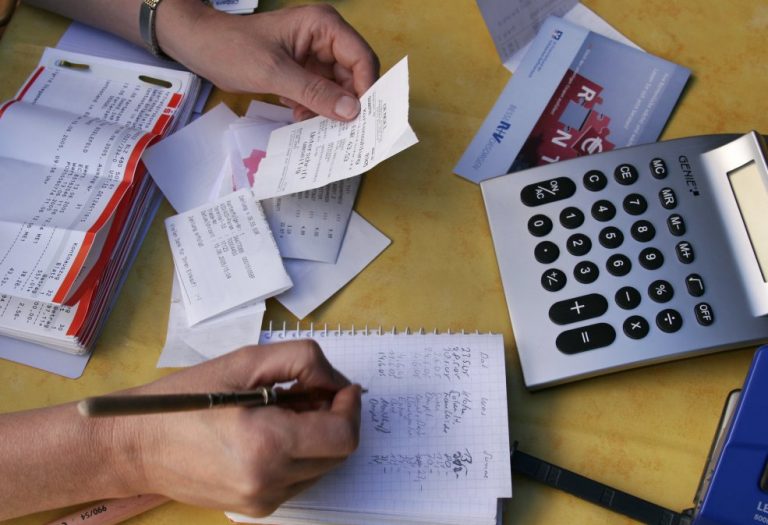
- Reviewing three months of bank and credit card statements.
- Highlighting recurring payments.
- Looking for small purchases that happen repeatedly.
- Separating needs from wants.
You do not have to track every penny forever. Even one month of paying attention can reveal spending patterns you never noticed.
Small Changes That Can Help Reduce Monthly Expenses
When you are trying to reduce monthly expenses, the biggest improvements often come from small changes that are easy to maintain. Cutting unnecessary costs, reviewing automatic payments, and being more intentional with everyday spending can make a noticeable difference over time.
Small adjustments can create surprisingly large savings:
- Cancel one $15 monthly subscription and save $180 a year.
- Reduce food delivery once a week and save hundreds annually.
- Make coffee at home more often and keep extra money in your pocket.
The goal is not to create a strict budget where every purchase feels guilty. Money should still be enjoyed. The goal is to make sure your spending matches what matters most to you.
Frequently Asked Questions
What are money leaks?
Money leaks are small, recurring, or unnecessary expenses that slowly reduce your available money. They often include unused subscriptions, convenience purchases, fees, and spending habits you no longer notice.
How can small expenses affect my budget?
Small expenses can have a big impact because they happen repeatedly. A few dollars spent several times a week can add up to hundreds of dollars over the course of a year.
What everyday expenses waste the most money?
Common money drains include unused subscriptions, food delivery fees, convenience purchases, banking fees, and impulse shopping.
How do I find unnecessary expenses?
Review your bank and credit card statements from the past few months. Look for recurring payments and spending patterns that you may not have noticed.
How can I save money without making major lifestyle changes?
Start with small changes that feel manageable. Cancel unused subscriptions, reduce unnecessary fees, plan groceries better, and be more intentional with convenience spending.
What are the easiest ways to reduce monthly expenses?
The easiest ways to reduce monthly expenses are usually found by reviewing subscriptions, lowering unnecessary fees, reducing food waste, limiting convenience spending, and identifying purchases you no longer value.