Modern Portable Restrooms: Comfort, Safety & Accessibility
5 min read
852 words
Portable restrooms are no longer just a practical add-on for outdoor projects or events. Today, they are designed with real people in mind, focusing on comfort, hygiene, and ease of use. Whether you are managing a home renovation, hosting a backyard celebration, or organizing a community gathering, the quality of your sanitation setup directly affects the overall experience. Guests notice when facilities are clean, accessible, and thoughtfully placed.
As expectations have grown, so has the importance of choosing units that serve a wide range of needs. It is not enough to provide a basic option. You need to consider accessibility, safety, and convenience from the start. Understanding what to look for helps you avoid last-minute issues and ensures everyone feels comfortable using the facilities provided.
Prioritizing Inclusivity in Outdoor and Residential Planning
Creating an inclusive environment starts with recognizing that not all guests have the same physical needs. When planning an event or managing a worksite, it is easy to focus on logistics like layout and timing, but accessibility should be part of those early decisions. For example, standard portable restrooms often have steps, narrow doorways, and limited interior space, which can make them difficult or impossible for individuals who use wheelchairs or other mobility aids.
Wheelchair-accessible portable restrooms are specifically designed to remove these barriers. However, choosing the right type and number of units is not always straightforward. Because requirements can vary depending on the size and type of your setup, it helps to have a clear reference point before making decisions.
Resource:Review this [guide to ADA-compliant and wheelchair-accessible portable restrooms] to better understand spacing, unit types, and how to estimate the number of units needed for your guest list or crew size.
The Anatomy of Accessibility: What Makes a Restroom Truly User-Friendly
Accessible portable restrooms are designed with specific structural features that make a noticeable difference in the user experience. Key features to look for include:
- Zero-Step Entry: Flat or ramped thresholds allow users to enter without difficulty or the need for lifting.
- Wide Clearance: Doorways are engineered to ensure standard and motorized mobility devices can pass through easily.
- 360° Maneuverability: A larger interior turning radius provides enough space to move comfortably without feeling restricted.
- Reinforced Support: Strategically placed, heavy-duty grab bars offer essential stability and safety for users.
Safety and Stability: Designing for a Secure Experience
Safety is a key factor in restroom design, especially in outdoor settings where conditions can vary. Anti-slip flooring helps prevent accidents, even when surfaces become wet or muddy. This is particularly important during events or projects that involve heavy foot traffic throughout the day.
Ventilation and structural stability also contribute to a secure experience. Proper airflow keeps the interior comfortable, while durable construction ensures the unit remains steady during use. When these elements are in place, users can feel confident that the facility is both safe and reliable.
Sanitation & Comfort Upgrades That Elevate the Experience
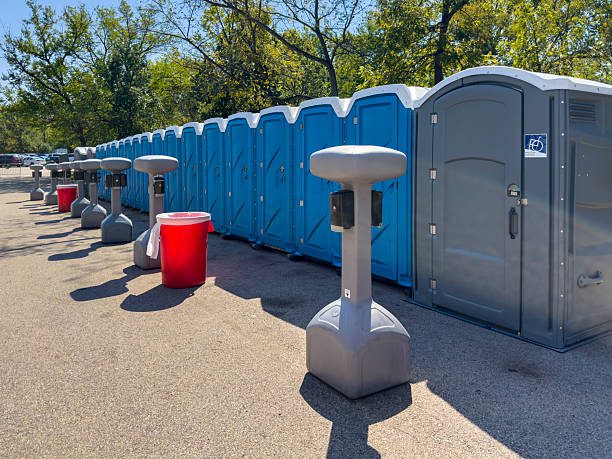
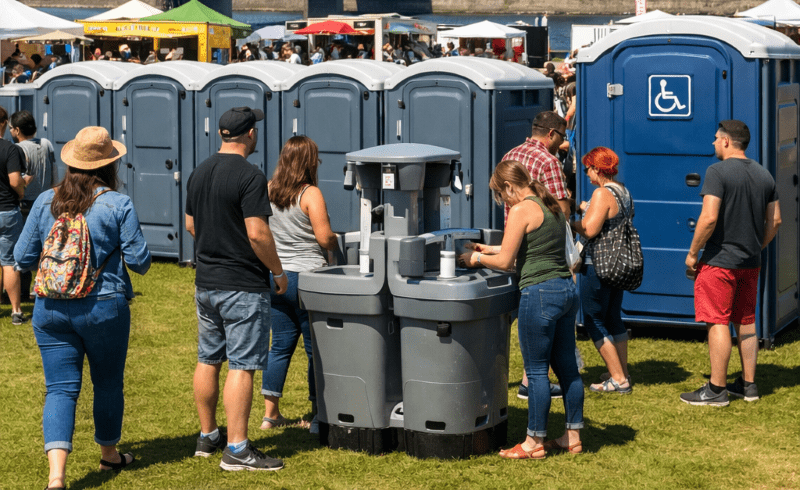
Modern portable restrooms offer more than just basic functionality. Many units now include built-in hand sanitizer dispensers or nearby handwashing stations, which support better hygiene during events or long-term projects. These additions are especially valuable when running water is limited or when maintaining cleanliness is a top priority.
Comfort also plays a bigger role than people expect. Features like interior lighting improve usability in the evening, while high-capacity tanks reduce the need for frequent servicing. When guests or workers can rely on clean, well-equipped facilities, it creates a smoother and more positive overall experience.
Strategic Placement: Maximizing Convenience and Accessibility
Where you place portable restrooms can make a significant difference in how they are used. Units should always sit on level ground to prevent tipping and ensure easy entry.
- Flow and visibility: Placing restrooms near main activity areas makes them easy to find, but they should not interrupt the natural movement of people.
- Nighttime Safety: If your event or project runs into the evening, ensure the path to the units is well-lit and free of tripping hazards like cables or uneven roots.
- Navigation: Clear paths, proper spacing, and simple signage help users locate facilities quickly without confusion.
Aesthetic Integration: Blending Functionality with Style
Portable restrooms no longer have to stand out negatively. Many modern units are designed to blend into residential settings or upscale outdoor events. Neutral colors, clean lines, and well-maintained exteriors help them fit naturally into gardens, backyards, or landscaped spaces.
For more refined occasions, luxury or comfort units provide an upgraded look and feel. These options often include improved interiors and subtle design elements that match the tone of weddings or private gatherings.
Thoughtful Planning Reflects on the Entire Experience
Portable restrooms today combine accessibility, safety, and comfort in ways that go far beyond basic expectations. From inclusive design features to smart placement and upgraded amenities, each decision contributes to a better user experience. When you plan with these factors in mind, you reduce potential issues and create a more welcoming environment.
Investing in well-designed sanitation solutions signals care and professionalism. Guests and workers may not always comment on it directly, but they notice when facilities are clean, accessible, and easy to use.