What Parents Should Know Before Buying Halloween Makeup
6 min read
1083 words
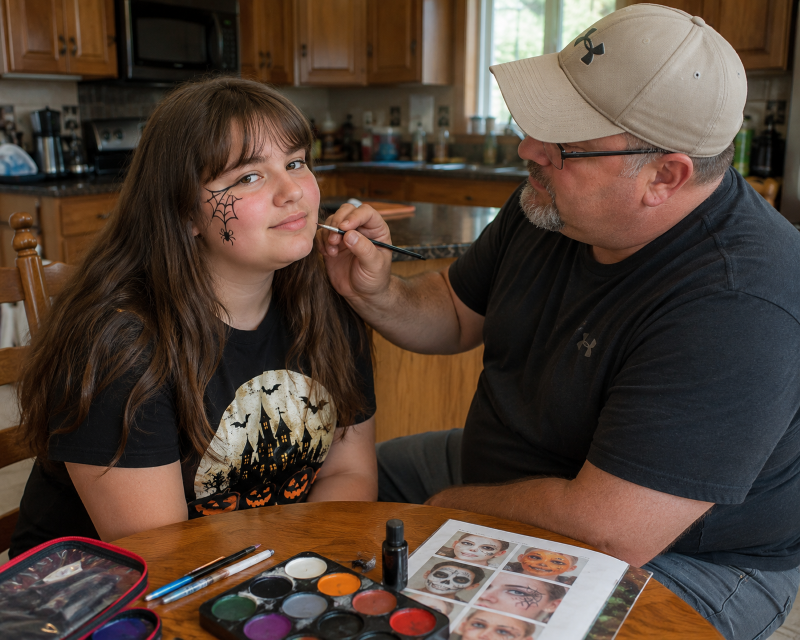
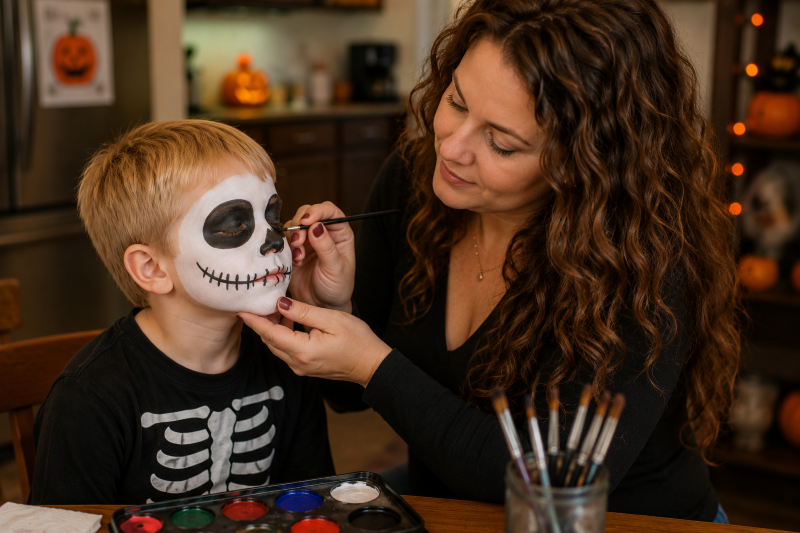
Halloween makeup can take a costume from simple to impressive. A little face paint can turn a child into a tiger, skeleton or superhero, while glitter and fake blood can add the finishing touches to a Halloween costume.
But before picking up the first colourful makeup kit you see, take a closer look at what you’re buying. Products sold as Halloween makeup aren’t necessarily appropriate for every child or every part of the body.
A few minutes spent reading the label and checking how the product is meant to be used can help prevent an uncomfortable reaction on Halloween night.
1. Make Sure It’s Actually Made for Skin
This sounds obvious, but it’s an important place to start.
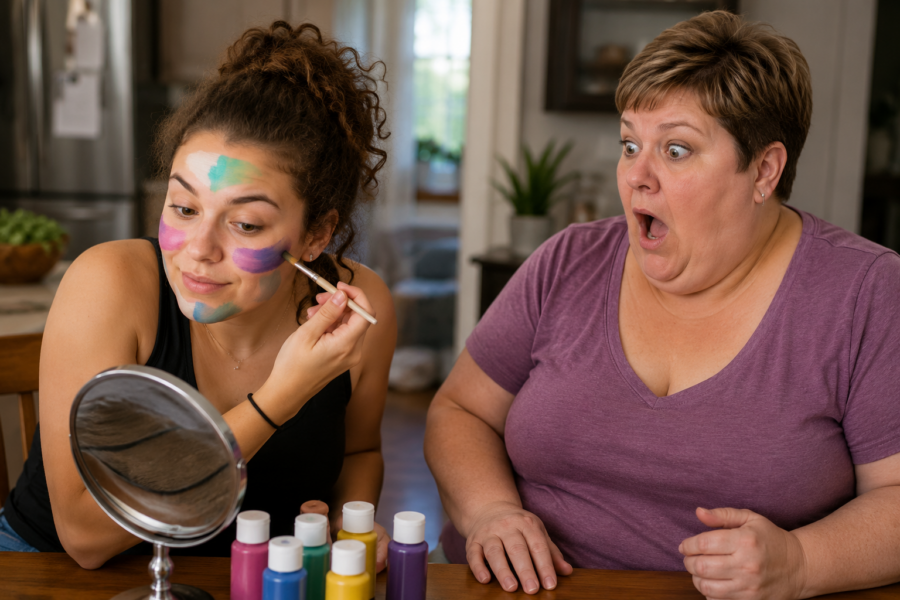
Never substitute craft paint, glitter glue or other art supplies for makeup. Products intended for paper, wood or other craft projects haven’t been made for use on skin.
Look for products clearly labelled for use on the face or body. Follow the manufacturer’s directions and pay attention to any warnings or age recommendations.
2. Read the Ingredients
Don’t skip the ingredient list, especially if your child has sensitive skin or has reacted to cosmetics, soaps or other personal-care products in the past.
If you already know your child reacts to a particular ingredient, check the label before buying. Fragrance can also be irritating for some people.
There’s no need to choose a product simply because it says “natural” or “hypoallergenic.” Those words don’t guarantee that a particular product will work for every child.
3. Don’t Assume Your Makeup Is Suitable for Your Child
It may be tempting to grab something from your own makeup bag when you’re putting together a last-minute costume.
If you do, make sure the product is intended for the area where you’re using it. Eye makeup belongs around the eyes, lipstick is made for the lips, and a product intended for the body isn’t automatically appropriate for either.
For younger children, products specifically labelled for their intended cosmetic use are generally the better choice than improvising with products that weren’t designed for the job.
4. Try It Before Halloween
Halloween night is not the time to discover that your child doesn’t tolerate a particular product.
A small test beforehand can give you an opportunity to see whether the skin becomes red, itchy or irritated. Use the product according to its directions and don’t continue using it if your child develops a reaction.
Keep in mind that a small test isn’t a guarantee that a reaction won’t occur later. If your child has a history of significant allergic reactions or skin problems, talk with a health professional about what products are appropriate.
5. Be Extra Careful Around the Eyes
The area around the eyes deserves special attention.
Only use products that are specifically intended for use there, and follow the manufacturer’s instructions. Avoid getting face paint, glitter or fake blood directly into the eyes.
Loose glitter is particularly easy to spread, so consider skipping it around the eyes altogether.
If something does get into a child’s eye and causes ongoing pain, redness or vision problems, seek medical advice rather than continuing to rinse and hoping it improves.
6. Think Twice About Makeup on the Lips
Children may lick their lips, rub their faces or put their fingers in their mouths, so makeup around the mouth can easily end up being swallowed.
Don’t assume that face paint is suitable for use on the lips. If you want coloured lips as part of the costume, choose a product specifically intended for lip use and follow its directions.
7. Be Careful With Glitter
Glitter can look great with Halloween costumes, but loose particles can end up in the eyes or be inhaled.
If you want to add some sparkle, look for a cosmetic product intended for skin rather than craft glitter. Glitter gels and creams may also be easier to control than loose glitter.
Avoid applying loose glitter close to the eyes.
8. Check the Packaging Before Buying
Take a minute to look over the package.
Check for:
- A clear ingredient list
- Directions for use
- Age recommendations
- Warnings
- The areas of the body where the product can be used
- An intact package
Be especially cautious when buying cosmetics online from unfamiliar sellers. A low price isn’t necessarily a bargain if you can’t determine what you’re actually buying or where it came from.
9. Find Out How It Comes Off
Halloween makeup can look great at 7 p.m. and be much less fun when you’re trying to remove it at bedtime.
Check the removal instructions before buying. Some products may come off with soap and water, while others require a particular type of cleanser or makeup remover.
Don’t scrub a child’s skin aggressively to get stubborn makeup off. If the skin becomes irritated during removal, stop and give it a break.
10. Don’t Share Makeup
It’s best not to share products that come into direct contact with the skin, eyes or lips.
Use clean brushes and sponges and avoid sharing eye or lip products between children. Wash reusable applicators properly after use and let them dry completely.
It’s a small step, but good makeup hygiene is worth remembering when several children are getting ready for a Halloween party.
11. What About Fake Blood?
Fake blood is popular for vampire, zombie and other Halloween costumes, but check the label before putting it on a child.
Choose a product specifically made for cosmetic use and follow the manufacturer’s instructions. Don’t assume that something is safe to put in or around the mouth simply because it is sold as fake blood.
And remember that fake blood can stain. Old clothing is a good idea when you’re applying it.
A Quick Halloween Makeup Checklist
Before putting the makeup on, ask:
- Is it made for use on skin?
- Is it appropriate for my child’s age?
- Have I read the ingredients?
- Have I checked the warnings and directions?
- Is it intended for the area where I’m using it?
- Have I tried the product ahead of Halloween?
- Do I know how it should be removed?
A Little Preparation Can Prevent a Halloween Headache
Halloween makeup doesn’t need to be complicated. The important thing is choosing products carefully and using them as directed.
Don’t rely on the words “natural,” “gentle” or “hypoallergenic” alone. Read the label, pay attention to where the product can be used and consider your child’s individual skin sensitivities.
A few minutes of checking before Halloween can help keep the focus where it belongs: on the costume, the candy and the fun.