8 Tips for Buying License Plate Frames in Bulk
4 min read
746 words
Bulk license plate orders require more than selecting a popular design. Buyers need to confirm fit, materials, artwork, pricing, delivery terms, and inventory needs before committing funds. A careful review reduces damaged shipments, unusable stock, and unexpected expenses. These checks also help retailers, event organizers, dealerships, and promotional teams choose frames that suit their audiences and sales plans.
The following eight points provide a practical review process before an order is placed.
1. Confirm the Frame Fit
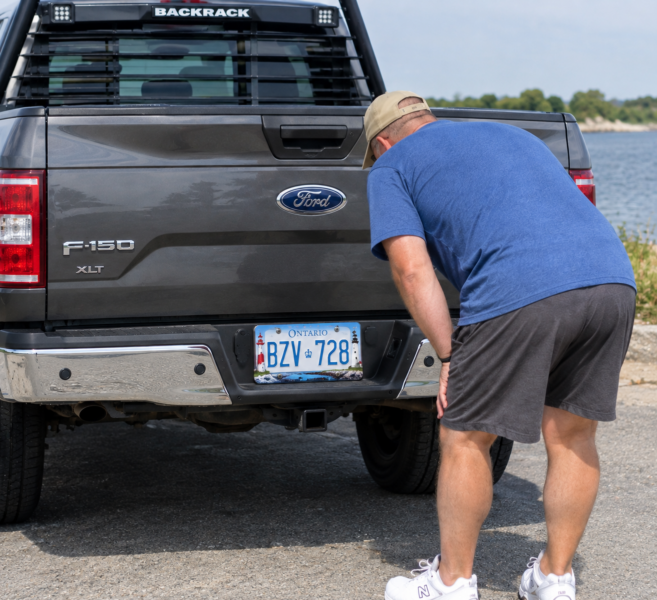
A frame should fit the license plate without covering registration stickers, province/state names, or required numbers. Buyers should compare each design with the plate format used in the intended market.
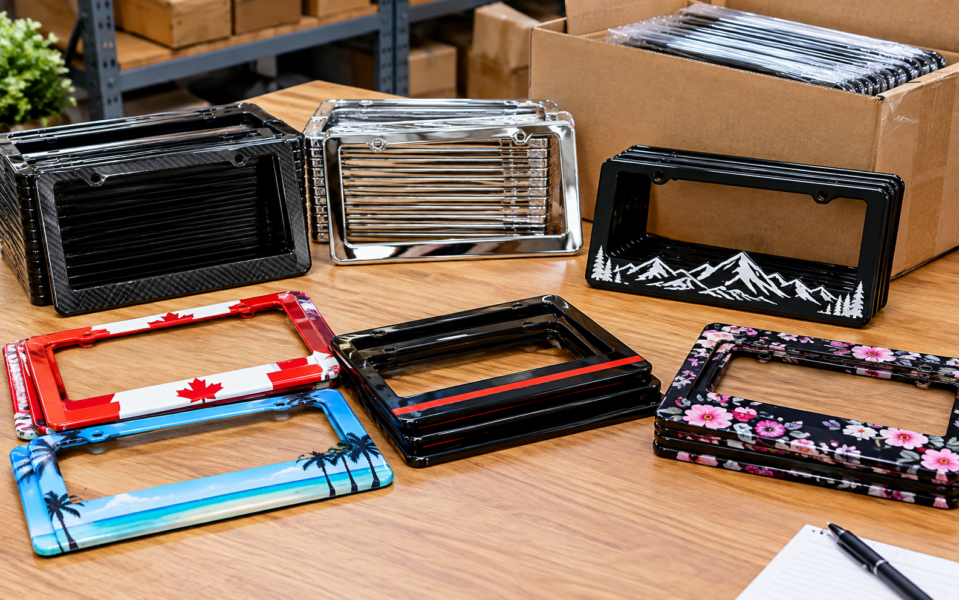
When comparing custom license plate frames in bulk, buyers should review available designs before selecting quantities. The collection page separates license plate frames from other products, which supports retail and wholesale purchasing. Buyers can compare themes, select compatible styles, and build an order around one clear product category instead of mixing unrelated inventory.
2. Review Material and Construction
Material affects appearance, handling, and storage. Buyers should determine whether a frame uses metal, plastic, or another substrate, then confirm that its construction suits the sales channel.
A frame displayed in a showroom needs a clean finish and consistent edges. Items sold at events need packaging that protects the surface during transport. Product photos help with initial screening, but written specifications should guide the final purchasing decision.
3. Check Artwork and Color Accuracy
Artwork should match the approved design, including wording, images, borders, and color placement. Small changes can affect how a frame looks beside a vehicle’s paint or a retailer’s existing merchandise.
Buyers should request proof images for orders that include custom artwork or printed variations. The proof should show the final layout at a readable scale. Approval records give both parties a reference if the delivered items differ from the accepted design.
4. Verify Minimum Order Requirements
Wholesale programs often require a minimum purchase amount or quantity. The wholesale information lists a $150 minimum, so buyers should calculate the full cart value before placing an order.
A low unit price does not help if the order exceeds the available budget. Buyers should also check whether the minimum applies to the entire order, each design, or each product category. That distinction affects how many variations a retailer can carry.
5. Calculate Tiered Pricing
Volume pricing should be checked against the planned quantity rather than an assumed discount. The wholesale information lists discount tiers from 4% to 12%, giving buyers a basis for estimating order costs.
A simple worksheet should include unit prices, quantities, discounts, shipping charges, and applicable taxes. Buyers can then compare order sizes without confusing gross savings with actual profit. Retailers should also reserve room for packaging, display costs, and marketplace fees.
6. Inspect Shipping and Dispatch Terms
Delivery timing matters when frames support a launch, seasonal promotion, dealership campaign, or scheduled event. Buyers should confirm processing time, dispatch timing, shipping charges, and the destination used for delivery estimates.
The collection information states that products ship fast, but buyers still need order-specific details before setting a sales date. A written dispatch estimate helps teams coordinate receiving, storage, photography, and product listings. It also identifies timing risks before payment is submitted.
7. Plan Storage and Packaging
Bulk frames need a clean, dry storage area that prevents scratches, bent edges, and crushed packaging. Buyers should estimate carton space before ordering quantities that exceed normal shelf capacity.
Packaging also affects the customer experience. Individual protection helps retailers sell frames without surface damage, while grouped packaging can simplify stock counting. A receiving checklist should record carton counts, design quantities, and visible defects immediately after delivery.
8. Match Designs to Demand
A broad catalog does not guarantee equal demand for every design. Buyers should use sales records, local interests, seasonal events, and customer requests to decide which frames deserve more shelf space.
The collection page organizes products by themes and categories, including province/state-related designs, occupations, hobbies, sports, and seasonal interests. Retailers can use that structure to build a focused assortment. Smaller test orders can measure demand before a larger reorder.
Conclusion
A bulk frame order should proceed only after buyers document fit, construction, artwork, purchasing terms, delivery, storage, and demand checks. Buyers should save approved artwork, pricing calculations, and dispatch details with the purchase record.
The next step is to create an order sheet listing each design, quantity, expected cost, delivery information, and receiving criteria. That record gives the purchasing team a clear basis for approval, quality checks, and restocking.