
7 min read
1275 words
Your wedding day is a celebration of love, commitment, and the beginning of a new chapter. For many modern couples, that celebration also reflects their shared values—specifically, their commitment to protecting the planet.
Planning a wedding that is beautiful, memorable, and environmentally conscious is entirely possible. In fact, a sustainable wedding often results in a more personalized and authentic experience. You don’t need to sacrifice style to be green; you just need a thoughtful approach.
If you are looking to reduce your carbon footprint without compromising on the magic of the day, here are our favorite eco-friendly wedding ideas for the sustainable couple.
1. Choose a Conscious Venue
The venue sets the tone for your entire event. To start your green journey on the right foot, look for a location that prioritizes sustainability.
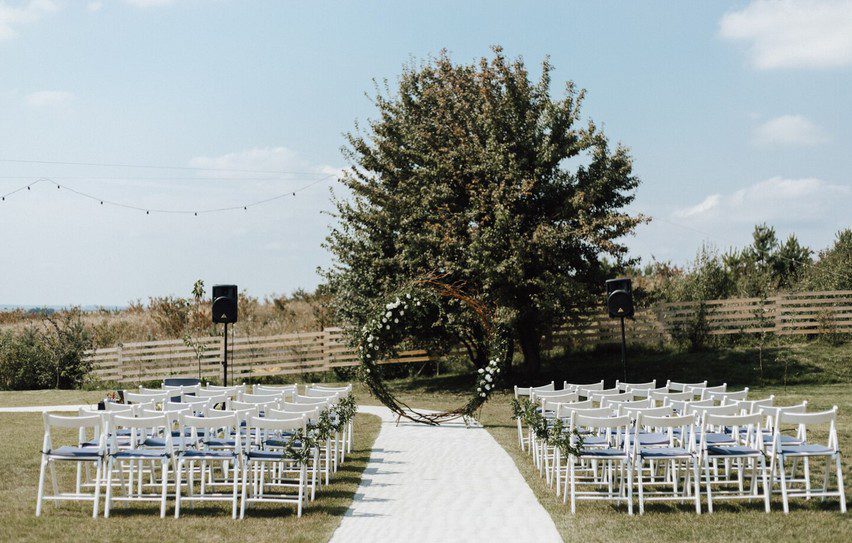
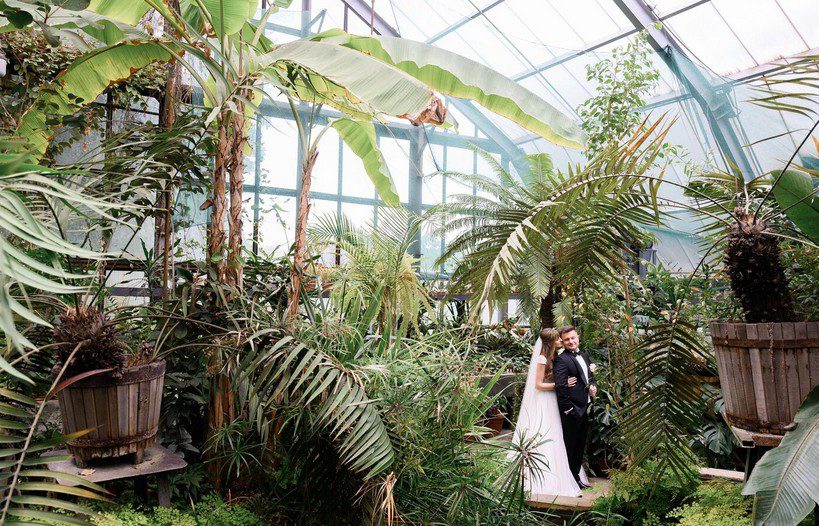
- Go Outdoors: Nature provides its own stunning backdrop. An outdoor ceremony in a botanical garden, a forest clearing, or on a beach eliminates the need for excessive decor. Note: Always check local regulations regarding outdoor events to ensure you are leaving no trace.
- Look for LEED Certification: If you prefer an indoor space, look for venues with LEED (Leadership in Energy and Environmental Design) certification. These buildings utilize energy-efficient lighting, water conservation systems, and sustainable materials.
- Local Logistics: Choose a venue that is central to your guests or near public transportation. This reduces the carbon emissions associated with travel. Alternatively, select a venue that offers on-site accommodations to minimize driving.
2. Send Sustainable Stationery
Paper goods are a significant source of wedding waste, but digital innovation offers elegant solutions.
- Plantable Invitations: One of the most charming trends is seed paper. These invitations are printed on biodegradable paper embedded with wildflower seeds. After the wedding, your guests can plant the invite in soil, and it will bloom into a garden.
- Go Digital: For save-the-dates and RSVPs, digital options are the most eco-friendly choice. They reduce paper waste and make tracking guest responses easier. If you prefer physical invites, choose recycled paper and avoid plastic embellishments like glitter or rhinestones, which are microplastics.
- Soy-Based Inks: When working with a printer, ask for vegetable or soy-based inks. These are less harmful to the environment than traditional petroleum-based inks.
3. Curate Ethical Attire
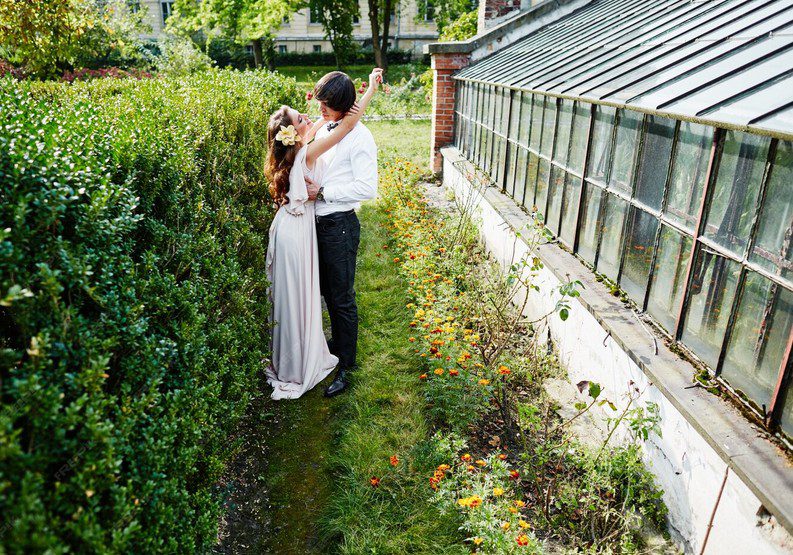
The fashion industry has a large environmental footprint, but your wedding wardrobe can be a force for good.
- Vintage and Secondhand: One of the most sustainable choices is to wear a pre-loved gown or suit. Vintage shops and consignment stores offer unique, high-quality pieces with history and character.
- Rent the Runway: For a modern approach, consider renting your attire. This allows you to wear a high-end designer look without the environmental cost of producing a new garment that you will only wear once.
- Sustainable Fabrics: If you are buying new, look for designers who use organic cotton, hemp, silk, or Tencel (lyocell). These materials are biodegradable and often produced with less water and fewer chemicals than synthetic fabrics like polyester.
4. Source Local and Seasonal Flowers
Floral arrangements are a staple of wedding decor, but imported blooms can carry a heavy carbon footprint due to air transport and refrigeration.
- Shop Local and Seasonal: Work with a florist who sources blooms from local growers. Seasonal flowers are fresher, more affordable, and require fewer resources to grow.
- Forage Responsibly: Incorporate greenery from your own backyard or the venue’s surroundings (with permission). Ferns, eucalyptus, and olive branches add texture and are completely zero-waste.
- Potted Plants: Instead of cut flowers, consider using potted plants, herbs, or succulents as centerpieces. These can be taken home by guests or donated to a local community garden after the event.
- Avoid Foam: Traditional floral foam is a non-biodegradable microplastic. Ask your florist to use chicken wire, floral tape, or reusable mechanics for your arrangements.
5. Serve a Farm-to-Table Menu
Food is one of the biggest contributors to a wedding’s carbon footprint. A sustainable menu focuses on local, plant-forward, and seasonal ingredients.
- Seasonal Menus: Work with your caterer to design a menu based on what is currently in season in your region. This ensures the freshest ingredients and reduces the energy needed for storage and transport.
- Plant-Forward: Meat production has a high environmental impact. You don’t have to go fully vegan, but offering more vegetable-forward dishes can significantly lower your carbon footprint. Think roasted root vegetables, grain bowls, and locally sourced salads.
- Reduce Food Waste: Plan your guest count carefully to avoid over-ordering. Ask your caterer if they have a partnership with a local food bank or shelter to donate untouched leftovers. Composting food scraps is another excellent way to manage waste.
6. Rethink Wedding Favors
Traditional wedding favors often end up in landfills—think plastic trinkets with the couple’s name engraved on them. Shift to favors that are useful, consumable, or charitable.
- Edible Favors: Send guests home with locally sourced honey, homemade jam, or organic tea blends in glass jars.
- Living Favors: Small succulents or herbs are popular for a reason. They are beautiful and purify the air.
- Charitable Donations: Make a donation to an environmental charity in your guests’ names. You can provide a small card explaining the donation, which serves as a meaningful keepsake.
- Reusable Items: A linen napkin or a reusable tote bag with a cute design is a practical favor that guests will use long after the wedding.
7. Choose Eco-Conscious Rings
The jewelry industry can be complex, but there are ethical alternatives to traditional mined diamonds.
- Lab-Grown Diamonds: These are chemically identical to mined diamonds but are created in a controlled environment, eliminating the environmental disruption of mining.
- Recycled Metals: Choose rings made from recycled gold or platinum. This reduces the demand for new mining and utilizes existing materials.
- Vintage Heirlooms: Resetting a family stone or buying a vintage ring is the ultimate sustainable choice, preserving history while reducing new production.
8. Minimize Travel Impact
Travel is often the largest portion of a wedding’s carbon footprint, particularly if you are having a destination wedding.
- Carbon Offsets: Consider purchasing carbon offsets for your guests’ travel. Many organizations allow you to calculate the emissions from flights and invest in renewable energy projects to balance them out.
- Group Transportation: Encourage carpooling or arrange shuttle buses for guests to reduce the number of individual vehicles on the road.
- Honeymoon Locally: Instead of an international flight, consider a “minimoon” closer to home. Exploring your own country or region can be just as romantic and much kinder to the planet.
Final Thoughts
Creating a sustainable wedding isn’t about being perfect; it’s about making intentional choices. Every small decision—from the flowers you choose to the food you serve—adds up to a significant impact.
By embracing eco-friendly wedding ideas, you are not only celebrating your love for each other but also your love for the world you live in. Your wedding day will be a beautiful testament to the values you hold as a couple, setting the foundation for a lifetime of mindful living.
Frequently Asked Questions (FAQ)
Q: Is an eco-friendly wedding more expensive? A: Not necessarily. While some sustainable options (like organic catering) can be pricier, others (like digital invites, potted plants, or vintage attire) can actually save you money. It all comes down to prioritizing your budget.
Q: How do I find a sustainable wedding vendor? A: Look for vendors who explicitly mention sustainability on their websites or social media. Ask direct questions about their practices, such as waste management, sourcing, and energy use.
Q: Can I have a zero-waste wedding? A: Achieving absolute zero waste is challenging, but you can get very close. Focus on reusable decor, compostable dinnerware (if necessary), digital stationery, and donating leftover food.
 Lynn Leblanc