

5 min read
917 words
A tight game turns on a strange bounce. A star player sits unexpectedly. A team that looked finished finds one last run of energy. Moments like these pull people toward sports in the first place because they feel like real life. Plans matter, preparation matters, and then something unplanned changes the whole script.
For many women who follow sports closely, that unpredictability becomes the point. It creates storylines that feel personal because they mirror the way careers change direction, friendships evolve, or confidence shows up at the exact moment it was missing. The appeal sits in the emotional swing and the narrative payoff, where attention, intuition, and timing combine into a lived experience. For adults who choose to participate legally, the betting layer simply turns those twists into a more focused way of tracking the story.
Why high-quality betting platforms shape the whole experience
The platform sets the tone long before the game starts. A high-quality sports betting app earns trust by making the experience feel orderly, especially when the sport itself stays chaotic. People who understand the space already know that markets move fast, and questionable platforms create friction at the worst moments. Women who use these products often prioritize control and clarity, because those qualities support confidence when emotions run high.
Two practical expectations show up again and again in experienced circles:
- Clean information design that keeps odds movement, rules, and settlement logic easy to find, even mid-game.
- Strong user safeguards like identity checks, clear limits, and straightforward account tools that reduce surprises off the field.
That second point matters more than it sounds. Unpredictability feels exciting inside the game. It feels exhausting inside the product. The best platforms separate those worlds, so the user chooses when to lean into the drama and when to keep things calm.
The thrill comes from plot twists that feel earned
Unpredictability works when it feels fair. Fans accept a wild result when the ingredients were on the screen the whole time, like a coach adjusting tempo or a bench player changing the matchup. That is why certain upsets feel satisfying rather than random. They reward attention. They reward pattern recognition. They reward the willingness to hold an opinion while the crowd leans the other way.
This is where “narratives” stop being a soft idea and start acting like a real framework. A narrative has momentum, pressure, and a turning point. Many women connect deeply to that structure because it mirrors how meaningful outcomes show up in daily life. The best moments often arrive after tension. The payoff follows patience. Sports deliver that arc in public, with shared stakes and a clock that keeps moving.
Emotional moments hit harder because they happen in a community
Unpredictability lands differently when it gets witnessed. Group chats, watch parties, live threads, and friend circles give the twist a second life. Someone calls the comeback early. Someone groans at the missed chance. Someone celebrates the unlikely hero. The moment becomes a shared memory, and it stays vivid because it had witnesses.
That social layer also changes how experienced participants process risk. People rarely remember the pregame line. They remember the late decision that flipped the feeling in the room. They remember the tension in the final minutes. They remember the instant the story revealed its ending. For many women, that shared emotional memory becomes the real takeaway, because it ties sport to identity, friendships, and ritual.
The appeal of volatility comes from control, not chaos
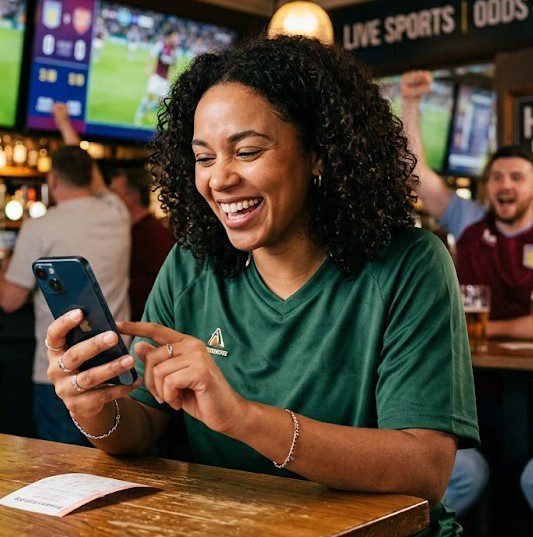
There is a misunderstanding that unpredictability attracts people who want disorder. Many experienced users want the opposite. They want a structured way to engage with uncertainty, because it sharpens attention and makes the viewing experience more intentional. The game provides volatility. The participant provides boundaries.
That is also why experienced audiences talk about process. A process might include choosing fewer events, focusing on leagues that are well understood, or deciding in advance when to stop engaging for the day. Those choices keep the narrative fun. They also keep it from swallowing the rest of the week. In a space built on fast swings, maturity shows up through decisions made before emotions spike.
iGaming market in the US
The US iGaming market continues to expand because regulation, product design, and mainstream sports culture now reinforce each other. As more jurisdictions consider legal frameworks, operators invest more heavily in compliance, payments, and product quality. That investment makes the experience more consistent for adult users who want reliability alongside entertainment.
Mobile-first habits also push the market forward. Many consumers expect live updates, fast navigation, and simple onboarding. They also expect brands to act responsibly in regulated environments. That combination encourages competition around product polish and user protection, which raises the baseline for what a credible operator must deliver.
Unpredictability will always drive sports. The market grows because more of the surrounding ecosystem, licensing, media, and technology, have started to treat sports entertainment as a serious consumer product category.
Where the real value sits for experienced audiences
For experienced fans, the pull of unpredictability comes down to meaning. A surprise result can validate intuition. A last-minute shift can turn a routine night into a story that gets retold. Those moments resonate because they feel human, and because they arrive without permission.
When the platform stays transparent and the participation stays legal and adult, unpredictability becomes a feature that deepens engagement with the sport’s storyline. The numbers still matter, because they shape context. The narrative matters more, because it shapes memory.
 Trevor Smith