
13 min read
2419 words
The comforting rush of hot water is an indispensable part of our daily lives, from invigorating morning showers to sparkling clean dishes. Yet, for many homeowners, the water heater remains an out-of-sight, out-of-mind appliance – until it dramatically fails, leaving you in a cold, inconvenient lurch. Buying a new water heater isn’t just about replacing a broken unit; it’s an opportunity to invest in your home’s efficiency, comfort, and long-term savings.
With a myriad of options and specifications, navigating the water heater market can feel daunting. This comprehensive guide is designed to equip you with the knowledge you need to make an informed decision, ensuring you choose a system that perfectly fits your household’s needs, budget, and lifestyle.
Decoding Your Options: Types of Water Heaters
Before diving into specifications, understanding the fundamental types of water heaters available is crucial. Each comes with its own set of advantages, disadvantages, and ideal applications.
1. Conventional Storage Tank Water Heaters
These are the most common type, easily recognizable by their large cylindrical tanks. They work by heating and storing a predetermined amount of hot water, ready for use.
- How They Work: A burner (gas) or electric heating elements warm the water inside the insulated tank. Once hot, it’s held until a faucet or appliance demands it. As hot water is drawn, cold water enters the tank to be heated.
- Pros:
- Lower Upfront Cost: Generally the least expensive to purchase and install.
- Proven Technology: Reliable and widely understood by technicians.
- Simple Operation: Relatively straightforward to use and maintain.
- Cons:
- Energy Inefficiency: Hot water is continuously stored, leading to standby heat loss even when not in use.
- Limited Supply: Can run out of hot water if demand exceeds the tank’s capacity (e.g., multiple showers in a row).
- Space Intensive: Requires significant space for the tank.
- Shorter Lifespan: Typically 10-15 years.
- Best For: Households with moderate, predictable hot water needs and a tighter initial budget.
2. Tankless (On-Demand) Water Heaters
Also known as instantaneous water heaters, these units heat water directly without a storage tank.
- How They Work: When a hot water tap is turned on, cold water travels through a pipe into the unit. A gas burner or electric element quickly heats the water as it flows through, delivering a continuous supply.
- Pros:
- Energy Efficiency: Only heats water when demanded, eliminating standby heat loss. This can lead to significant energy savings over time.
- Endless Hot Water: As long as the unit is properly sized, you’ll never run out of hot water.
- Space Saving: Much smaller than storage tanks, often mounted on a wall.
- Longer Lifespan: Can last 20+ years.
- Cons:
- Higher Upfront Cost: Significantly more expensive to purchase and often to install (e.g., gas lines, venting, electrical upgrades).
- Flow Rate Limitations: Can sometimes struggle to supply enough hot water for multiple, simultaneous high-demand uses (e.g., two showers and a dishwasher running at once) if not properly sized.
- “Cold Water Sandwich” Effect: A brief spurt of cold water may occur when starting or stopping hot water use, particularly if using multiple fixtures.
- Best For: Households seeking maximum energy efficiency, unlimited hot water, and willing to make a larger initial investment.
3. Heat Pump (Hybrid) Water Heaters
Heat pump water heaters (HPWHs) are an innovative, highly efficient option that combine conventional tank technology with heat pump technology.
- How They Work: Instead of directly generating heat, HPWHs pull heat from the surrounding air and transfer it to the water in the tank, similar to how a refrigerator works in reverse. They include traditional electric heating elements as a backup for high demand.
- Pros:
- Exceptional Energy Efficiency: Can be 2-3 times more energy efficient than conventional electric tank heaters, leading to substantial energy bill savings.
- Environmentally Friendly: Lower carbon footprint due to reduced electricity consumption.
- Eligibility for Rebates: Often qualify for energy efficiency rebates and incentives.
- Cons:
- Higher Upfront Cost: More expensive than standard electric or gas models.
- Specific Installation Requirements: Need to be installed in a space that remains relatively warm (above 40°F/4°C) with at least 1,000 cubic feet of air space for proper operation (e.g., basement, garage, utility room). They also require a drain for condensate and make some noise.
- Slower Recovery: Can have slower hot water recovery times compared to conventional tanks, though their hybrid nature helps mitigate this.
- Best For: Environmentally conscious homeowners with a suitable, unused space (like a basement or garage) and a desire for long-term energy savings.
4. Solar Water Heaters
These systems use solar panels (collectors) to absorb energy from the sun and transfer it to a fluid that then heats water in a storage tank.
- How They Work: Collectors mounted on the roof absorb solar energy. A heat-transfer fluid circulates through the collectors, gets heated, and then passes through a heat exchanger in the storage tank, warming the water. A backup electric or gas heater is usually included for cloudy days or high demand.
- Pros:
- Extremely Low Operating Costs: Once installed, the “fuel” is free.
- Significant Environmental Benefits: Zero emissions during operation.
- Incentives: Often eligible for substantial federal and local tax credits or rebates.
- Cons:
- Very High Upfront Cost: The most expensive option to install.
- Weather Dependent: Performance is impacted by sunlight availability.
- Complex Installation: Requires roof space, plumbing, and often electrical work.
- Long Payback Period: While operating costs are low, it can take many years to recoup the initial investment.
- Best For: Homeowners in sunny climates with a strong commitment to renewable energy and a significant budget for initial investment.
Sizing Your Water Heater: Don’t Get Left in the Cold
Choosing the wrong size is one of the most common mistakes in water heater purchases, leading to either insufficient hot water or wasted energy. Proper sizing is critical for both comfort and efficiency.
For Conventional Storage Tank Heaters: The First Hour Rating (FHR)
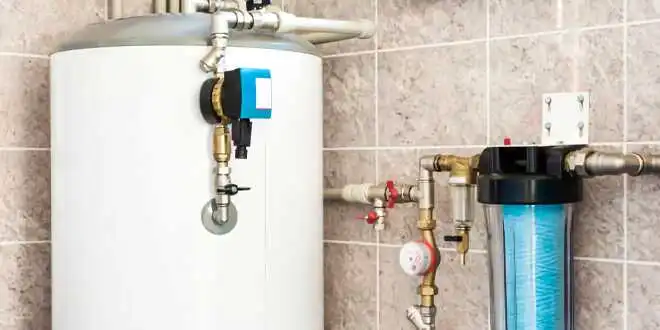
The most important metric for tank-style water heaters is the First Hour Rating (FHR). This indicates how many gallons of hot water the heater can supply in one hour when the tank is full and then as it heats incoming cold water.
- To calculate your FHR needs:
- Estimate Peak Hour Demand: Identify the time of day your household uses the most hot water (e.g., morning showers, dishwashing, laundry).
- Add up Gallon Usage for Peak Hour:
- Shower: 10-20 gallons per shower
- Bath: 20-30 gallons
- Dishwasher: 6-10 gallons
- Washing Machine: 15-30 gallons (per hot cycle)
- Hand/face washing: 2-4 gallons
- Match to FHR: Select a water heater with an FHR that meets or slightly exceeds your estimated peak hour demand.
- General Household Guidelines:
- 1-2 people: 30-40 gallon tank, FHR 50-60 gallons
- 2-3 people: 40-50 gallon tank, FHR 60-70 gallons
- 3-4 people: 50-60 gallon tank, FHR 70-80 gallons
- 5+ people: 60-80 gallon tank, FHR 80+ gallons
For Tankless Water Heaters: Gallons Per Minute (GPM)
Tankless units are sized based on their Gallons Per Minute (GPM) flow rate and the required temperature rise.
- To calculate your GPM needs:
- Identify Simultaneous Hot Water Demands: Determine which hot water appliances and fixtures might be used at the same time during peak usage.
- Add up GPM for Each Fixture:
- Shower: 2.0-2.5 GPM
- Bathroom Sink: 0.5-1.5 GPM
- Kitchen Sink: 1.0-2.0 GPM
- Dishwasher: 1.0-2.5 GPM
- Washing Machine: 1.5-3.0 GPM
- Consider Temperature Rise: This is crucial. A tankless heater’s GPM output decreases as the required temperature rise increases (i.e., if your incoming cold water is very cold, the heater has to work harder to raise its temperature, thus reducing the flow rate).
- Temperature Rise = Desired Hot Water Temp – Incoming Cold Water Temp. (e.g., 120°F – 50°F = 70°F rise).
- Match GPM to Heater Specifications: Compare your total peak GPM requirement at your specific temperature rise to the unit’s specifications.
- Example: If you want to run two showers (2.5 GPM each = 5 GPM) and a dishwasher (1.5 GPM), you’d need a tankless unit capable of at least 6.5 GPM at your specific temperature rise.
- Professional Consultation: For tankless and heat pump water heaters, professional sizing is highly recommended due to the complexity of temperature rise and simultaneous demand calculations.
Fuel Type and Energy Efficiency: The Heart of Long-Term Savings
The fuel source and a heater’s energy efficiency significantly impact your operating costs and environmental footprint.
Fuel Type Options:
- Electric:
- Pros: Lower initial cost, easier installation in homes without gas lines, no venting required (for tank models).
- Cons: Often more expensive to operate than gas heaters (depending on local electricity rates), higher electricity demand for tankless electric units sometimes requiring electrical panel upgrades.
- Natural Gas:
- Pros: Generally less expensive to operate than electric (depending on local utility rates), faster recovery times for tank units, offers higher GPM for tankless units.
- Cons: Requires a gas line and proper venting, higher upfront cost than basic electric, potential for carbon monoxide leaks if not properly installed/maintained.
- Propane:
- Pros: An option for homes without natural gas access, similar performance to natural gas.
- Cons: Propane is often more expensive than natural gas or electricity, requires a storage tank on the property.
Energy Efficiency Ratings:
- Uniform Energy Factor (UEF): This is the current standard for measuring water heater energy efficiency, replacing the older Energy Factor (EF). A higher UEF indicates greater efficiency.
- How it works: UEF measures overall energy efficiency based on a standardized test, considering factors like standby heat loss, recovery efficiency, and how efficiently the unit converts energy into hot water.
- ENERGY STAR Certification: Look for the ENERGY STAR label. This indicates that the product meets strict energy efficiency guidelines set by the U.S. Environmental Protection Agency. ENERGY STAR certified water heaters can significantly reduce energy consumption and costs.
- Operating Costs: While specific costs vary by region and utility rates, generally:
- Least Expensive to Operate: Solar (after initial investment), Heat Pump, Natural Gas.
- Most Expensive to Operate: Propane, Electric Resistance.
Always compare the upfront cost with potential long-term energy savings. A more expensive, energy-efficient model might pay for itself over its lifespan through lower utility bills.
Installation Considerations: Don’t DIY this One
Installing a water heater is not a DIY project for most homeowners. It involves complex plumbing, electrical, and/or gas connections, as well as adherence to local building codes.
- Professional Installation is Key:
- Safety: Improper installation of gas lines can lead to leaks and carbon monoxide poisoning. Incorrect electrical wiring can cause fires or electrical shocks.
- Performance: A professionally installed unit will operate efficiently and reliably, minimizing future problems.
- Warranty: Most manufacturers’ warranties are void if the unit isn’t installed by a licensed professional.
- Code Compliance: Local building codes dictate specific requirements for venting, seismic strapping, pressure relief valves, and more. A licensed plumber ensures compliance.
- Key Factors for Installers:
- Venting: Gas and tankless units require proper venting to expel combustion gases. This can be complex, especially if upgrading from a conventional tank to a tankless unit.
- Space: Ensure sufficient clearance around the unit, especially for heat pump models that need ample air volume.
- Electrical Requirements: Electric and heat pump heaters may require dedicated circuits or even electrical panel upgrades. Tankless electric units often demand significant amperage.
- Gas Line Size: Upgrading from a conventional gas tank to a gas tankless unit may require upgrading your gas line to handle the higher BTU demand.
- Water Pressure: Tankless units perform best with adequate incoming water pressure.
- Expansion Tank: Many areas require an expansion tank to absorb pressure fluctuations caused by heating water, protecting your plumbing system.
- Drain Pan: Required in many locations, especially if the water heater is located indoors or above living spaces, to catch leaks.
Features, Warranty, and Maintenance
Beyond the core functionality, modern water heaters offer various features that enhance convenience, longevity, and peace of mind.
- Smart Water Heaters: Some models can connect to your home’s Wi-Fi, allowing you to monitor status, adjust temperature, set schedules, and even detect leaks via a smartphone app.
- Self-Cleaning Tanks: Some conventional tanks feature designs that help prevent sediment buildup, extending the lifespan and maintaining efficiency.
- Anode Rods: These sacrificial rods corrode instead of the tank, preventing rust. Regular inspection and replacement (every 3-5 years) are crucial, especially in areas with hard water.
- Recirculation Pumps: For homes with long plumbing runs, a hot water recirculation pump can deliver hot water quickly to faucets, reducing waiting time and water waste.
- Warranty: Pay close attention to the warranty details. Tank warranties typically range from 6 to 12 years. Tankless units often have longer heat exchanger warranties (10-20 years) and shorter parts warranties. A longer warranty usually indicates a higher quality product.
Maintenance Tips: Regardless of the type you choose, regular maintenance will extend your water heater’s life and efficiency:
- Flush the Tank (Conventional): Annually flush the tank to remove sediment buildup.
- Inspect Anode Rod: Check and replace the anode rod as needed.
- Test Pressure Relief Valve: Annually test the temperature and pressure relief (T&P) valve.
- Clean Air Filters (Heat Pump): Clean the air filter on HPWHs regularly.
- De-scale (Tankless): Tankless units in areas with hard water may require periodic de-scaling to prevent mineral buildup in the heat exchanger.
When to Replace vs. Repair Your Water Heater
Deciding whether to repair your current unit or invest in a new one can be challenging. Consider these factors:
- Age of the Unit:
- Conventional Tank: If it’s over 10 years old and experiencing major issues (e.g., leaks, significant rust), replacement is usually more cost-effective.
- Tankless: With a longer lifespan (20+ years), repairs might be worthwhile for younger units.
- Cost of Repair: If the repair cost approaches 50% or more of the cost of a new unit, replacement is often the smarter financial move.
- Frequency of Repairs: Persistent issues indicate a failing unit.
- Efficiency Gains: Newer models, especially tankless or heat pump, are significantly more energy-efficient. Replacing an old, inefficient unit can lead to substantial long-term savings on utility bills, even if the old one is still technically repairable.
- Safety Concerns: Leaks, strange noises, or discolored water can indicate serious safety issues.
Conclusion
Buying a water heater is a significant home investment that impacts your daily comfort, energy bills, and peace of mind for years to come. By understanding the different types, carefully sizing the unit to your household’s needs, considering fuel types and energy efficiency ratings, and prioritizing professional installation, you can make a choice that truly serves you.
Don’t wait until you’re faced with a cold shower to start your research. Take the time to assess your needs, explore your options, and consult with qualified plumbers to ensure you select the perfect water heating solution for your home. With the right information, you can banish the fear of cold water and enjoy reliable, efficient hot water for years to come.
 Leo Allen
  Rose DesRochers
  Claire