
5 min read
904 words
Of all the components that make your house a home, the roof is arguably the most vital and the most overlooked. It is the silent guardian, the broad shield standing sentinel against the sky’s every mood. We often take its steadfast protection for granted, only noticing it when a problem—a leak, a missing shingle—demands our attention. But waiting for a problem to announce itself is a dangerous gamble, especially when the fury of a storm is gathering on the horizon. To be reactive is to be vulnerable. To be proactive, however, is to fortify your sanctuary against the inevitable chaos of nature. Preparing your roof for a storm is not just another item on a home maintenance checklist; it is a critical act of defense that safeguards your property, your finances, and your peace of mind.
The Proactive Shield: A Pre-Storm Inspection Checklist
The difference between a roof that withstands a storm and one that succumbs to it often lies in the small details. Before the wind howls and the rain begins its assault, you must become a diligent inspector of your own defenses. Arm yourself with a pair of binoculars and a critical eye, and from the safety of the ground, conduct a thorough assessment.
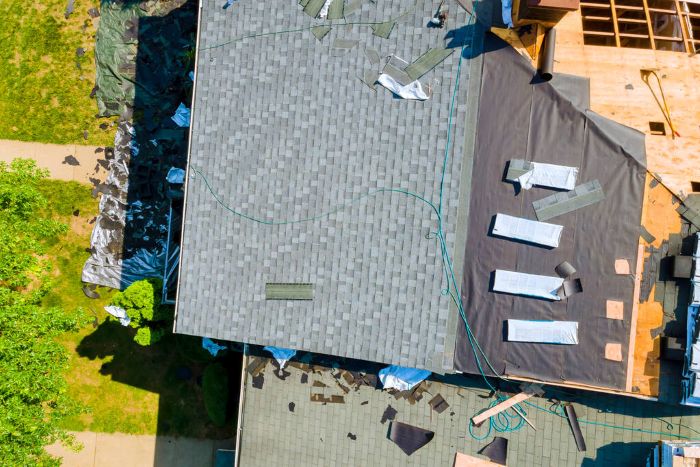
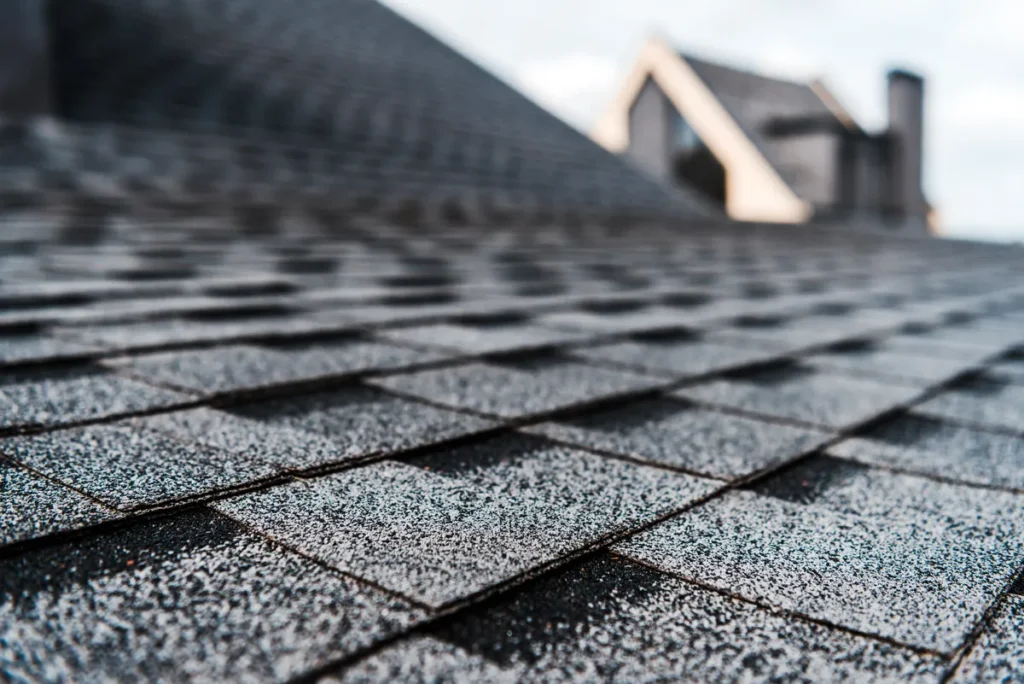
- Scrutinize Your Shingles: Your shingles are the armor plating of your home. Look for any that are missing, cracked, curled, or lifting. Each compromised shingle is a breach in your defense, an open invitation for wind-driven rain to infiltrate the underlayment and decking. High winds can easily catch the edge of a lifted shingle, peeling it back and starting a chain reaction that can expose a significant portion of your roof in minutes.
- Clear the Arteries of Your Home: Your gutters and downspouts are the unsung heroes of water management. Their job is to channel thousands of gallons of water away from your roof, walls, and foundation. When they are clogged with leaves, twigs, and debris, they fail catastrophically. Water will pool along the roofline, seeping under shingles and potentially causing rot. In a torrential downpour, blocked gutters will overflow, creating waterfalls that erode landscaping and saturate the soil around your foundation. In a snowstorm, this blockage leads to destructive ice dams. Ensure they are completely clear and that downspouts direct water several feet away from the house.
- Secure the Weak Points: Pay close attention to the areas where your roof is penetrated: the flashing around chimneys, skylights, and vents. This thin metal is designed to create a watertight seal, but over time, the sealant can degrade, and the metal can corrode or pull away. These are notorious failure points. A compromised seal is a guaranteed leak during a storm, turning a minor issue into a major interior water damage event.
- Assess the Aerial Threat: Look up and around your property. Are there large, overhanging tree branches looming over your roof? In a storm, these become potential battering rams. High winds can snap heavy limbs, sending them crashing down with enough force to puncture decking and shatter trusses. Pruning back any threatening branches is not just about aesthetics; it’s about removing a direct and potent threat to your home’s structural integrity.
Beyond the Checklist: Reinforcing Your Defenses
A visual inspection is your first and most important step, but true preparedness involves looking beyond the obvious and making strategic reinforcements. This is where you transition from a passive observer to an active defender of your home.
First, embrace professional expertise. While a ground-level inspection is valuable, nothing replaces the trained eye of a certified roofing contractor. They can safely get on your roof to spot subtle signs of wear and tear you might miss, such as granular loss on asphalt shingles or hairline cracks in flashing sealant. Investing in an annual professional inspection is a small price to pay for the assurance that your roof is structurally sound and ready for whatever the weather throws at it. They can perform minor repairs on the spot, fortifying weak points before they become catastrophic failures.
Second, document everything. Before a storm is forecasted, take clear, time-stamped photos and videos of your roof’s condition. Capture wide shots and close-ups of shingles, flashing, and gutters. This documentation becomes an invaluable asset if you need to file an insurance claim after a storm. It provides a clear “before” picture, making it much more difficult for an insurer to argue that the damage was pre-existing. It is your proof, your ally in a potentially stressful process.
Finally, when the time comes for repairs or a full replacement, invest in resilience. Don’t just replace what was there; upgrade your defenses. Inquire about impact-resistant shingles (rated Class 4) that can withstand hail and flying debris far better than standard shingles. If you live in a hurricane-prone region, ask about hurricane straps or clips that anchor the roof trusses to the walls, drastically improving your home’s ability to resist wind uplift. Choosing superior materials and installation methods is a long-term investment in the safety and security of your home.
Your roof is your first and last line of defense. By tending to it with diligence and foresight, you are doing more than just preventing leaks—you are preserving the sanctity of your home. Don’t wait for the roar of the wind and the lash of the rain to expose your vulnerabilities. Act now, be prepared, and rest easy knowing that your shield is strong.
 Rose DesRochers
  Claire