
5 min read
954 words
Winter brings cozy sweaters, holiday cheer, and unfortunately, a unique set of challenges for sensitive electronic equipment—especially the medical devices that keep us healthy and safe at home. The combination of freezing temperatures, dry indoor air, and the increased risk of power outages can significantly impact the performance and longevity of critical equipment like CPAP machines, oxygen concentrators, and blood pressure monitors. Taking a few proactive steps now can save you time, money, and stress later. This friendly guide covers essential winter medical device care, ensuring your equipment remains reliable, accurate, and ready when you need it most.
Why Winter Requires Extra Vigilance for Home Health Equipment
When temperatures drop, the operational environment for your at-home medical devices changes dramatically. Understanding the core enemies of your equipment is the first step toward effective cold weather device safety.
The Three Winter Threats:
- Extreme Temperatures: Cold air can make plastics brittle and slow the chemical reactions inside batteries, drastically reducing life and performance. If a device is accidentally left in an unheated garage or car, components can freeze or crack.
- Changing Humidity: Heating systems strip moisture from the air, creating a very dry indoor environment. While good for preventing mold, dry air can be irritating to respiratory passages and creates static electricity, which sensitive electronics dislike.
- Power Reliability: Winter storms, high winds, and heavy ice dramatically increase the risk of power outages, making backup battery preparedness absolutely critical for life-sustaining equipment.
Device-Specific Winter Care Checklist
While general rules apply, certain devices have unique needs when facing the harsh realities of winter. Follow these tailored at-home medical device maintenance tips.
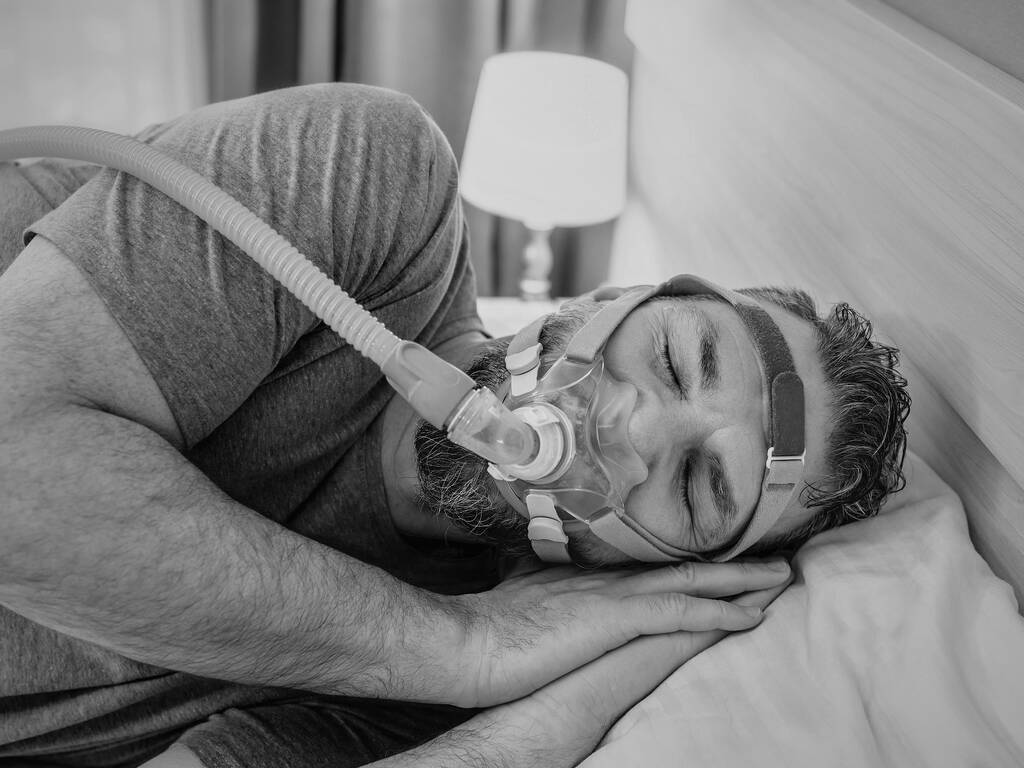
1. Respiratory Devices (CPAP, BiPAP, Nebulizers)
The biggest challenge for respiratory devices in winter is handling the dryness of indoor air and the temperature difference between the machine and the room.
- Prevent “Rainout”: When warm, humidified air travels through the tubing and suddenly hits the cold air of the room, condensation forms. This is known as “rainout” and can result in water spitting from the mask.
- Solution: Use insulated CPAP tubing covers or an integrated heated hose (if compatible).
- Tip: Keep the device unit itself at least six inches away from exterior walls to prevent excessive cooling.
- Use Distilled Water: Always use distilled water in your humidifier chamber. In cold weather, mineral buildup can be accelerated, potentially damaging the chamber’s heating plate.
- Monitor Water Level: Dry winter air means your machine will likely use more water throughout the night. Check and refill the chamber nightly.
2. Battery-Powered Devices (Monitors, Pumps, Scooters)
Batteries, especially lithium-ion and lead-acid, hate the cold. Low temperatures drain them faster and reduce their ability to hold a charge.
- Mind the Temperature: Never store batteries or battery-powered devices (like blood glucose meters or pulse oximeters) in cold locations, such as vehicles or exterior cupboards. Keep them at room temperature (around 68°F to 77°F).
- Check Charge Frequently: If you rely on a power wheelchair or mobility scooter, ensure you are charging it fully every night. Cold sidewalks and tires require more power to navigate.
- Stock Up on Spares: Always have a fresh supply of the specific batteries required for smaller devices (like thermometers or hearing aids) and keep them organized in a central, accessible location.
3. Oxygen Concentrators and Tanks
Oxygen therapy requires special precautions, particularly regarding heat and mobility.
- Keep Vents Clear: Ensure your oxygen concentrator is placed away from heating vents, radiators, or space heaters. Overheating can damage the compressor.
- Watch the Cord: Never use extension cords with oxygen concentrators unless specifically approved by the manufacturer. If you must use a cord, ensure it is not covered by area rugs, where heat can build up.
- Travel Safety: If traveling with portable oxygen tanks, protect them from extreme cold during transport and ensure they are secured in the vehicle to prevent punctures or damage.
Preparing for Winter Power Outages
Winter storms often lead to grid instability. If you use a life-sustaining medical device, planning for power loss is non-negotiable.
1. The Emergency Power Audit
- Identify Critical Devices: Determine which devices must function during an outage (e.g., CPAP, ventilator, essential IV pumps).
- Invest in Backup Power: For critical devices, purchase a UPS (Uninterruptible Power Supply) or a deep-cycle battery backup system. Test this system monthly to ensure it is fully charged and functioning.
- Simplify: When using backup power, unplug non-essential accessories (like CPAP humidifiers or heated hoses) to conserve battery life.
2. Know Your Provider’s Protocol
- Register with the Utility Company: Contact your local electric and gas companies to register as a customer with medical dependency. While this doesn’t guarantee uninterrupted service, it often places you on a priority restoration list after a major outage.
- Have a Communications Plan: Keep a charged cell phone and a list of important emergency contact numbers (doctors, equipment suppliers, and neighbors) written down, as connectivity may fail during a severe storm.
Final Tip: Maintain Cleanliness and Storage
Winter weather often means tracked-in snow, salt, and mud. Keeping your immediate device area clean is vital for maintaining medical equipment accuracy.
- Wipe Down Mobility Aids: If using a wheelchair or walker outside, wipe down the frames immediately upon returning indoors to remove corrosive road salt or de-icing chemicals.
- Regular Cleaning Schedule: Stick to the manufacturer’s instructions for cleaning filters and tubing. Dirty filters can cause the machine to work harder, accelerating wear and tear, especially when cold air is stressing the components.
- Store Safely: When not in use, store devices in their original carrying cases or protective covers, keeping them elevated off cold floors and away from drafty windows.
By following these simple yet crucial winter medical device care steps, you can ensure your equipment performs flawlessly, offering you peace of mind and supporting your health safely throughout the coldest months.
 Leo Allen
  Rose DesRochers
  James Dingman