
4 min read
743 words
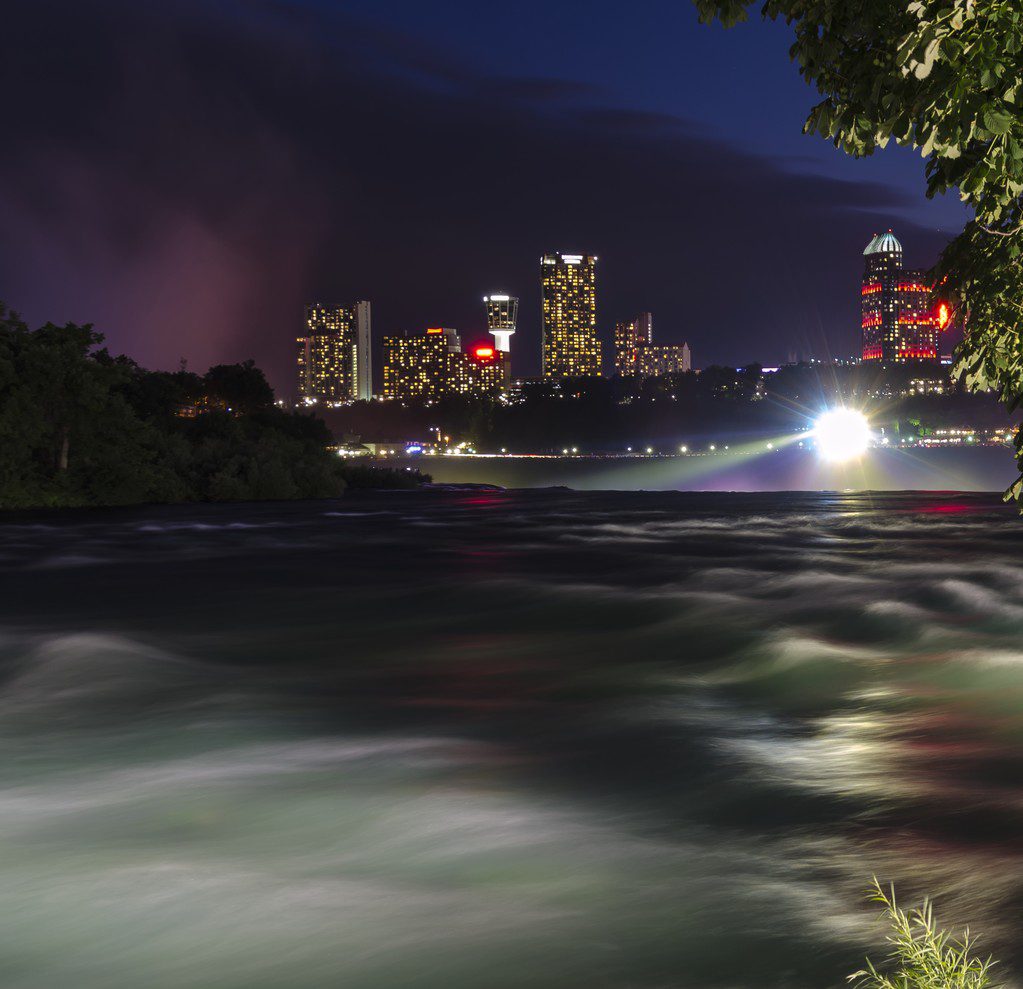
When planning a trip, nothing is quite as disheartening as the realization that your anticipated budget has quietly bloated due to sneaky fees. Canada’s stunning Niagara Falls, renowned for its beauty and allure, is no exception. A recent four-night stay at a hotel with a spectacular view of the falls revealed two particularly pesky charges: a tourism fee of $143.31 and a resort fee of $63.80. These seemingly innocuous additions raised the question: just how transparent are the costs of tourism in this iconic destination?
The Hidden Costs of Visiting Niagara Falls
Tourism fees, resort fees, and similar charges have become the bane of travelers, especially in popular locations. The Ontario government has sanctioned destination marketing fees in tourist communities since 2004, aiming to promote local attractions and events. However, tourists frequently find these fees piled onto their bills like uninvited guests, leaving many wondering what they actually cover.
What Are Destination Marketing Fees?
Destination marketing fees — sometimes known as amenity fees, facility fees, or resort charges — have infiltrated the travel industry. They are typically positioned as necessary contributions to enhance the experience of visitors. Often, these fees fund local tourism initiatives, help improve services, or support marketing campaigns aimed at attracting more visitors.
While municipalities like Niagara Falls often justify these fees by claiming they boost the local economy and improve visitor amenities, the costs can be quite significant. For instance, in our case study hotel, the combination of the tourism fee and the resort fee totaled $207.11 for just four nights. Blink, and you might miss the fine print during the booking process, significantly inflating your accommodation budget.
The Impact on Travelers
For many travelers, the price tag of a hotel room is just one piece of the puzzle. When supplementary fees such as those seen in Niagara Falls are added, they substantially alter what initially seemed like an affordable getaway. For example, if you initially budgeted $1,000 for a four-night stay, you’d suddenly be looking at nearly $1,200 after fees. This is undoubtedly a shock for guests expecting one price only to encounter hidden costs.
These added expenses can lead to a sense of frustration and betrayal among tourists. After all, nobody appreciates feeling taken advantage of while attempting to enjoy their time away from daily routines. Basic transparency in pricing is crucial for maintaining customer trust; unfortunately, sneaky fees often negate that transparency.
Why Are Sneaky Fees So Common?
The prevalence of tourism and resort fees largely stems from competitive pricing practices in the hospitality industry. Hotels often advertise attractive base rates to lure in customers, who might prioritize appearance over a deeper investigation into total costs. By separating the true cost of a stay into multiple line items, establishments can attract customers even when the overall price is comparable to competitors.
Additionally, these fees provide hotels and destinations a way to offset costs without impacting perceived room rates. Limiting disclosure during the initial booking process can also lead travelers into a false sense of value, creating an environment ripe for frustration when final bills arrive.
What Can Travelers Do?
While sneaky fees may seem unavoidable, travelers can adopt a few strategies to mitigate their impact.
Do Your Research
Before you book your stay, it’s essential to thoroughly research potential accommodations. Look for reviews regarding the total cost of stays and whether hidden fees were mentioned. Websites often have helpful forums where travelers share their experiences and can shed light on additional costs.
Inquire Directly
If you find a property that catches your eye, don’t hesitate to call them directly to inquire about any additional fees. These conversations can provide clarity and often allow for negotiations that might save you some cash.
Factor in Total Costs
When budgeting for your trip, remember to consider potential fees upfront. This way, you’ll have a more accurate understanding of how much you’ll really be spending. By using this comprehensive approach, you can better assess whether that picturesque hotel overlooking the falls is worth the extra cost.
Conclusion
While visiting Canada’s breathtaking Niagara Falls, the last thing any traveler wants is to be blindsided by hidden fees. As tourism evolves and seeks to embrace funding strategies, it’s essential for both tourists and the tourism sector to foster transparency around costs. By being proactive and informed, travelers can enjoy their experience without worrying about unexpected financial burdens. With a bit of foresight, your next trip to Niagara Falls can remain memorable for all the right reasons!
 Nancy Whitmore