
9 min read
1710 words
There’s a unique thrill that comes with checking into a hotel room – the crisp sheets, the promise of relaxation, and the anticipation of new experiences. However, that peace of mind can quickly evaporate with the unwelcome thought of tiny, nocturnal hitchhikers: bed bugs. These elusive pests, far from being a sign of poor hygiene, can infest even the most pristine establishments, making a diligent check of your room a crucial step before settling in. While the idea might send a shiver down your spine, being informed and prepared is your best defense against inadvertently bringing these persistent pests home with you.
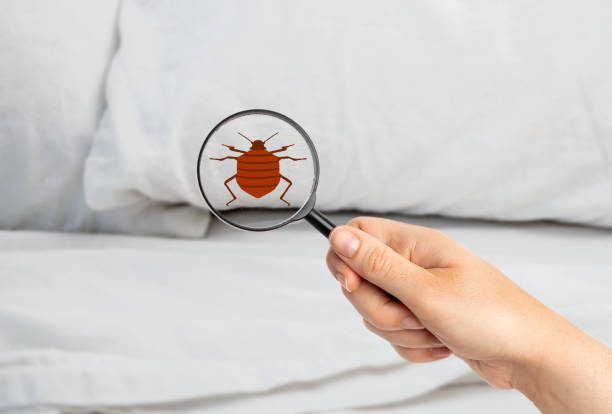
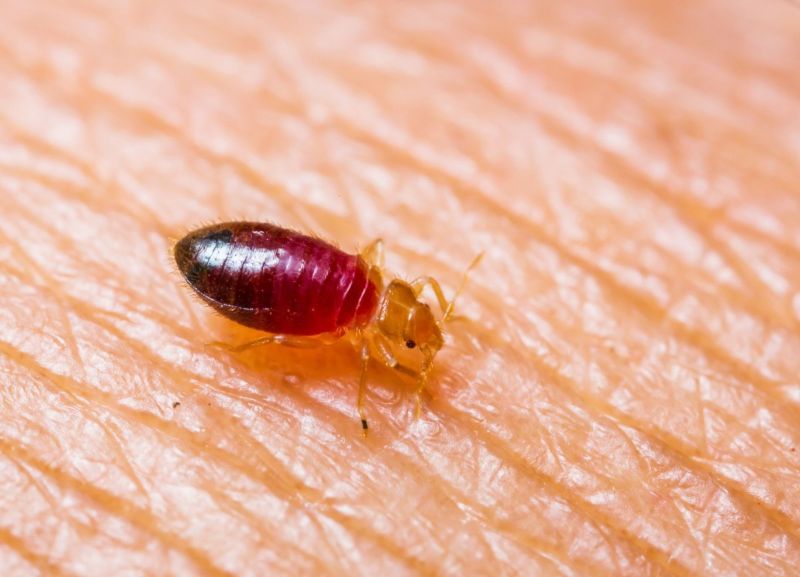
Bed bugs (Cimex lectularius) are small, reddish-brown insects, roughly the size and shape of an apple seed when adult, that feed on the blood of humans and animals. They are experts at hiding, preferring dark, secluded spots close to where their human hosts sleep. Their flat bodies allow them to squeeze into tiny cracks and crevices, making them notoriously difficult to detect and eradicate once established. They are not known to transmit diseases, but their bites can be itchy and cause allergic reactions in some individuals, leading to skin irritation, sleep disturbance, and significant psychological distress. Furthermore, the cost and effort of eradicating an infestation from your home can be substantial, underscoring the importance of a proactive approach when traveling.
Knowing what to look for, and where, transforms a potentially anxiety-inducing task into a quick, methodical inspection that empowers you to enjoy your stay without worry. This guide will walk you through a step-by-step process to ensure your hotel room is free from these unwanted guests, preserving your peace of mind and protecting your home from a costly infestation.
The Pre-Check: Setting the Stage for Inspection
The moment you step into your hotel room, resist the urge to immediately throw your luggage onto the bed or unpack your belongings. Your first few minutes are critical for an effective bed bug inspection. Think of it as a strategic entry designed to minimize risk.
Begin by placing all your luggage – suitcases, backpacks, and even purses – in the bathroom. The bathroom is typically the least likely place to harbor bed bugs due to its tiled surfaces, lack of fabric, and distance from the primary sleeping area. This creates a safe zone for your belongings while you conduct your initial assessment.
Next, arm yourself with a flashlight. Your smartphone’s flashlight feature works perfectly for this. Bed bugs are masters of concealment and prefer dark, hidden spaces. A bright light will help you penetrate these shadows and reveal any tell-tale signs. Remember, bed bugs are not an indicator of a hotel’s cleanliness; they are opportunistic hitchhikers that can infest any environment. Therefore, even if the room appears spotless, a thorough check is always warranted. This initial, cautious approach sets the stage for a comprehensive inspection, allowing you to breathe easier once you’ve given the all-clear.
The Systematic Inspection: Where to Look Closely
With your luggage safely stowed and your flashlight ready, it’s time to methodically examine the areas where bed bugs are most likely to hide. Your primary focus should be the sleeping area and nearby furniture, as these pests prefer to be within easy reach of their food source.
The Bed: The Primary Hiding Spot
The bed is ground zero for bed bug activity. Start your inspection here, working your way from top to bottom.
- Headboard and Wall: Begin by inspecting the headboard. If it’s attached to the wall, check behind it. Pay close attention to any cracks, crevices, or seams in the headboard itself. Also, inspect the wall area directly behind and around the headboard. Bed bugs can hide in wallpaper seams, electrical outlets (use extreme caution here, do not insert anything into outlets), and even picture frames hanging above the bed.
- Mattress and Box Spring: This is perhaps the most critical part of your inspection.
- Peel back the linens: Carefully pull back all the sheets, blankets, and mattress protectors.
- Examine the mattress seams: Bed bugs love to hide in the piping, seams, tufts, and tags of the mattress. Use your flashlight to meticulously scrutinize every inch of these areas. Look for tiny, dark spots (fecal matter), shed skins, actual bugs, or eggs. The fecal spots will resemble tiny ink dots or ground pepper and will smear like rust when wiped with a wet cloth.
- Flip the mattress: If possible, lift or flip the mattress to check the underside, especially along the seams and edges where it rests on the box spring or bed frame.
- Inspect the box spring: The box spring provides numerous hiding places. Remove the decorative skirt, if any, and examine all four sides, the top, and especially the corners and underside fabric. Pay attention to any tears in the fabric covering the box spring, as these are prime entry points for bed bugs.
- Bed Frame: Thoroughly inspect the bed frame itself. This includes the legs, joints, slats, and any cracks or crevices. Wooden frames are particularly susceptible as they offer more natural hiding spots.
Nearby Furniture and Other Hiding Spots
Bed bugs are not confined to the bed. If an infestation is heavy, or if they are just exploring, they will spread to nearby furniture and other hidden areas.
- Nightstands and Dressers: Open all drawers and inspect the insides, undersides, and joints. Check the back panels of nightstands and dressers, especially where they meet the wall. Lightly pull them away from the wall if possible to check the space behind.
- Upholstered Furniture: Any upholstered chairs, sofas, or ottomans in the room should be inspected with the same diligence as the mattress. Check seams, cushions, and the undersides.
- Desks and Chairs: Examine the legs, undersides, and any drawer areas of desks and chairs.
- Curtains: Pull back the curtains and inspect the folds, seams, and the curtain rod area, particularly where they gather at the top and bottom.
- Baseboards and Walls: Walk around the perimeter of the room and use your flashlight to inspect along the baseboards, looking for any cracks or gaps where bugs might hide. Also, check any wall fixtures or loose wallpaper.
- Closets: While less common, bed bugs can be found in closets, especially if luggage or clothing has been stored there. Check the bottom of the closet and any shelving.
What to Look For: The Key Indicators
As you conduct your systematic inspection, keep an eye out for these tell-tale signs:
- Live Bed Bugs: These are the most definitive sign. Adult bed bugs are typically 4-5 mm long, oval-shaped, and reddish-brown, especially after feeding. Nymphs (young bed bugs) are smaller, often translucent or yellowish-white, and can be harder to spot. Eggs are tiny (about 1 mm), pearly white, and often found in clusters in crevices.
- Fecal Spots: These are dried excrement, appearing as tiny, dark, rust-colored, or black spots on fabric or surfaces. They often look like specks of ground pepper or dried blood. If you wipe them with a damp cloth, they will smear.
- Shed Skins (Exuviae): As bed bugs grow, they shed their exoskeletons. These translucent, hollow casings resemble the shape of a bed bug and can range in size depending on the stage of the bug.
- Blood Stains: Small, rusty, or reddish-brown spots on bed sheets or pillowcases can indicate crushed bed bugs or blood spots from their bites.
- Musty Odor: In cases of severe infestation, a distinct, sweet, musty odor, sometimes described as a “buggy” or “coriander” smell, may be present. This is less common in mild infestations.
What To Do If You Find Them
If your diligent inspection uncovers any signs of bed bugs, do not panic. The key is to act quickly and calmly.
- Do Not Touch Anything Else: Leave your luggage sealed in the bathroom. Try not to disturb the infested areas further to avoid scattering the bugs.
- Document Evidence: Take clear photos or videos of the bed bugs, fecal spots, shed skins, or any other signs you find. This provides concrete evidence for hotel management.
- Immediately Contact Hotel Management: Discreetly inform the front desk or a hotel manager about your findings. Show them your evidence.
- Request a New Room (or Hotel): Ask for a different room. Insist on a room that is not adjacent, directly above, or directly below the infested room, as bed bugs can travel through walls and utility lines. Inspect the new room thoroughly before accepting it. If you feel uncomfortable, consider changing hotels entirely.
- Protect Your Belongings: Before moving to a new room or leaving the hotel, place all your belongings into sealed plastic bags (large trash bags work well). This helps contain any potential hitchhikers. Do not bring your original luggage into the new room until it has been inspected.
Post-Hotel Precautions
Your vigilance shouldn’t end when you leave the hotel. Taking a few extra steps upon returning home can prevent a potential infestation.
- Before Entering Your Home: If possible, inspect your luggage outside your home. Use a flashlight to check seams, zippers, and pockets.
- Wash and Dry All Clothes: As soon as you get home, empty your sealed bags directly into the washing machine. Wash all clothes, whether worn or not, in the hottest water setting appropriate for the fabric. Then, tumble dry on the highest heat setting for at least 30 minutes, as high heat is a proven killer of bed bugs and their eggs.
- Vacuum Luggage: Thoroughly vacuum your suitcases and bags, paying close attention to seams, zippers, and crevices. Immediately seal the vacuum bag in a plastic bag and dispose of it in an outdoor trash bin.
- Isolate Non-Washable Items: For items that cannot be washed (e.g., shoes, electronics), consider placing them in a sealed plastic bag and leaving them in a hot car on a sunny day (temperatures need to reach at least 120°F or 49°C for several hours), or freezing them at 0°F (-18°C) for at least four days, if practical.
By incorporating these simple, yet effective, steps into your travel routine, you can significantly reduce your risk of encountering bed bugs and, more importantly, prevent them from becoming an unwelcome souvenir of your trip. A few minutes of proactive inspection can save you immense headache, expense, and stress down the line, ensuring your travels remain as enjoyable and worry-free as they should be.
 Nancy Whitmore