
4 min read
603 words
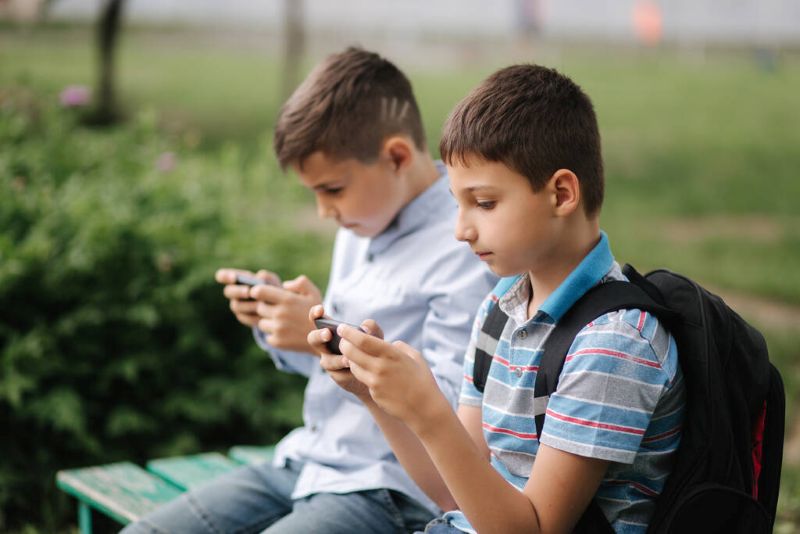
In today’s fast-paced world, cellphones have become an indispensable part of our lives. From communication to entertainment, they serve multiple purposes. However, deciding when to give a child their first cellphone can be a tricky decision for parents. This blog post aims to explore the various factors that parents should consider before making this decision.
The Pros of Giving a Child a Cellphone
- Safety and Security: One of the primary reasons parents consider giving their child a cellphone is for safety purposes. In an emergency situation, a cellphone can provide instant communication with parents, police, or other emergency services. Additionally, GPS tracking features can help parents keep track of their child’s whereabouts.
- Educational and Developmental Benefits: Cellphones can also serve as educational tools, providing access to educational apps, games, and online resources that can help children learn and develop new skills. Moreover, cellphones can encourage children to develop technological literacy, a crucial skill in today’s digital age.
- Socialization and Communication: Cellphones enable children to stay connected with their friends and family, fostering socialization and communication skills. This can be particularly beneficial for children who have difficulty making friends or communicating in person.
The Cons of Giving a Child a Cellphone
- Exposure to Inappropriate Content: With access to the internet, children may be exposed to inappropriate content such as violence, pornography, and cyberbullying. Parents must take the necessary precautions, like setting up parental controls and monitoring their child’s online activity, to ensure their child’s safety.
- Potential for Addiction and Distraction: Cellphones can be highly addictive, leading to excessive screen time and reduced engagement in other activities. This can have negative consequences on a child’s physical, mental, and social well-being. Moreover, cellphones can be a source of distraction in school, affecting a child’s academic performance.
- Health Concerns: There is growing concern about the potential health risks associated with cellphone use, such as radiation exposure, eye strain, and sleep disruption. Parents should be aware of these risks and take steps to minimize their child’s exposure to them.
Factors to Consider When Deciding on a Child’s First Cellphone
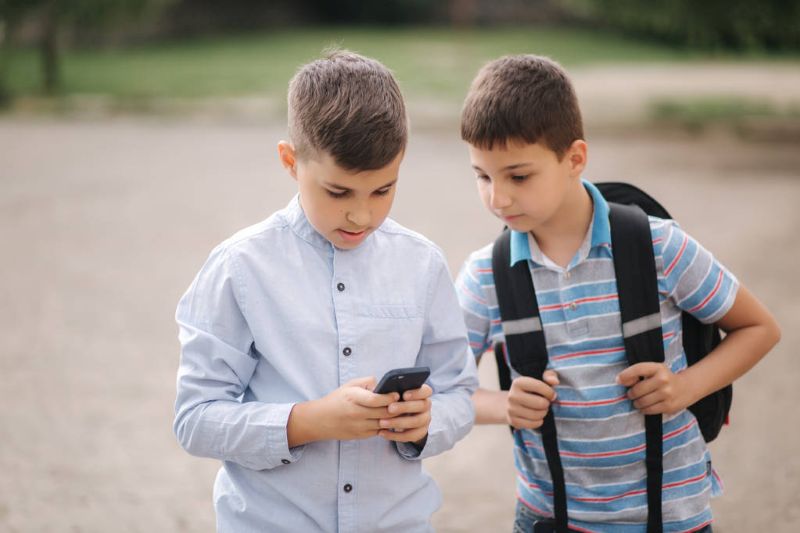
- Age: There is no one-size-fits-all answer to the question of when a child should receive their first cellphone. Some parents may choose to give their child a basic phone at a younger age for safety reasons, while others may wait until their child is older and more responsible. Ultimately, the decision should be based on the child’s maturity level, their ability to handle the responsibility, and the specific needs of the family.
- Responsibility and Maturity: Before giving a child a cellphone, parents should assess their child’s level of responsibility and maturity. This includes their ability to follow rules, respect boundaries, and make good decisions. If a child has demonstrated responsibility in other areas of their life, they may be ready for a cellphone.
- Family Rules and Guidelines: Before giving a child a cellphone, parents should establish clear rules and guidelines for its use. This may include setting limits on screen time, establishing boundaries for online behavior, and monitoring their child’s activity. By setting expectations and consequences upfront, parents can help their child use their cellphone responsibly and safely.
Conclusion
Deciding when to give a child their first cellphone is a complex decision that requires careful consideration of various factors. While cellphones can provide numerous benefits, they also come with potential risks and drawbacks. Ultimately, the decision should be based on the child’s age, maturity level, and the specific needs of the family. By taking the time to weigh the pros and cons and establishing clear rules and guidelines, parents can help their child use their cellphone responsibly and safely.
 Victoria Jain
  Rose DesRochers