
6 min read
1006 words
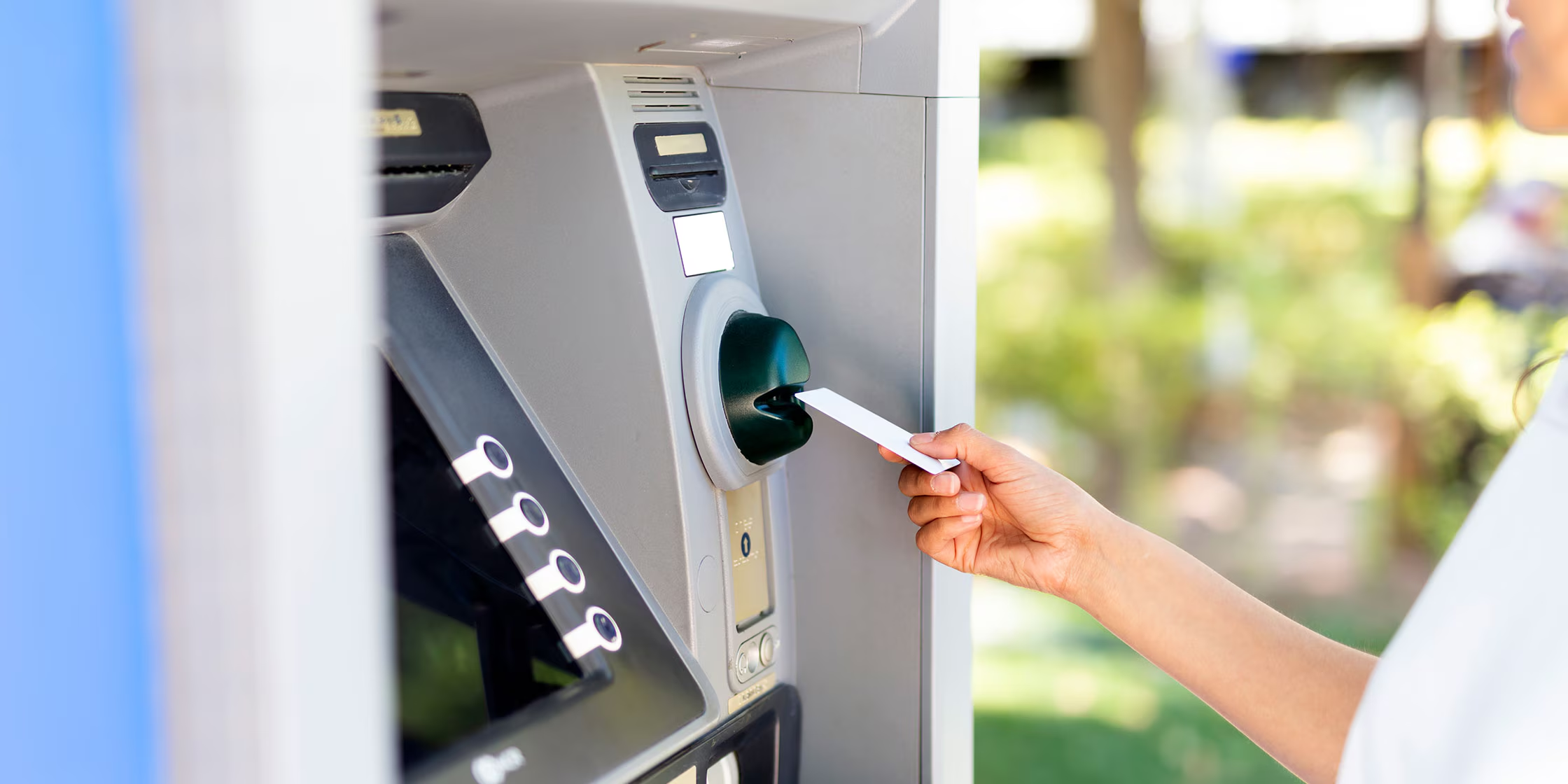
Imagine this: You’re at the gas station, quickly swiping your card, or making a last-minute ATM withdrawal. Everything seems normal, but beneath the surface, a hidden device could be stealing your credit card information, your PIN, and potentially your peace of mind. Credit card skimmers are an invisible threat, designed to look like part of a legitimate card reader or PIN pad. They’re a favorite tool for criminals to commit identity theft and wreak financial havoc. But here’s the good news: with a bit of awareness and a few simple checks, you can significantly reduce your risk. Let’s dive into how you can become a skimmer-spotting pro and protect your hard-earned money.
What Exactly Is a Credit Card Skimmer?
At its core, a credit card skimmer is a device, often illegally attached to a payment terminal, that secretly records your card’s data when you swipe or insert it. Paired with a hidden camera or an overlay on the PIN pad to capture your PIN, criminals can then create duplicate cards or use your details for online purchases.
Where Do Skimmers Hide? Common Hotspots
Skimmers are most commonly found in places with high traffic and often unsupervised card readers. Keep your guard up at:
- Gas Pumps: These are prime targets due to the outdoor, often unattended nature of the pumps.
- ATMs: Both standalone machines and those inside banks can be compromised.
- Point-of-Sale (POS) Terminals: Think self-checkout lanes at grocery stores, vending machines, or even tampered card readers at smaller businesses.
The Ultimate Detective Work: How to Spot a Credit Card Skimmer
This is where your vigilance pays off! Here’s how to tell if there’s a skimmer lurking:
- Give it the “Wiggle Test”: Before you swipe or insert, gently tug and wiggle the card reader, the PIN pad, and any part that looks like it’s been added on. Genuine card readers are usually solid and flush with the machine. If anything feels loose, flimsy, or like a separate piece, it could be a skimmer overlay.
- Look for Visual Discrepancies:
- Unusual Bulges or Gaps: Does the card reader stick out further than normal? Are there odd gaps or misalignments?
- Color or Material Differences: Does the card slot look like a different color or material than the rest of the machine?
- Graphics and Labels: Are any security seals broken? Does the instruction label seem crooked or poorly printed?
- Pin Pad Appearance: Legitimate PIN pads are usually flush. A skimmer might make the PIN pad appear thicker or raised.
- Check the PIN Pad: Is it Authentic?
- Tap the keys. Do they feel spongy, unresponsive, or different from other keypads you’ve used? Skimmer overlays often have a different feel.
- Look closely for small pinhole cameras aimed at the keypad, sometimes hidden in the plastic housing or even obscured by a fake flyer.
- Bluetooth Scanning Apps (Advanced): Some skimmers use Bluetooth to transmit data. Apps like “Skimmer Scanner” or “Traveler Tools” (for Android) can sometimes detect nearby Bluetooth devices with names like “Free21” or “HC-05,” which are common skimmer modules. However, these aren’t foolproof and can give false positives.
Prevention is Key: How to Avoid Credit Card Skimmers
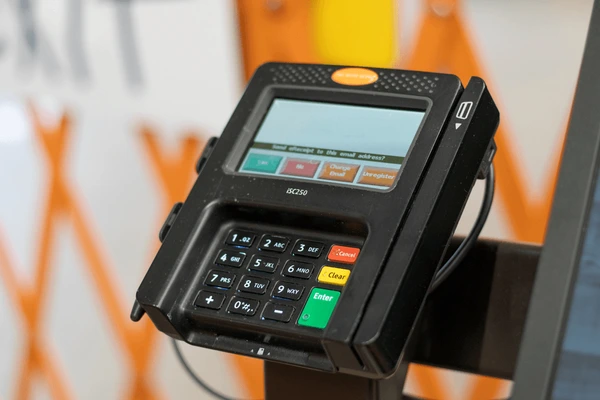
Beyond spotting them, here are crucial habits to protect yourself from getting skimmed:
- Choose Wisely: At gas stations, pick pumps closest to the store entrance or in direct view of staff. These are less likely to be tampered with.
- Pay Inside (for Gas): If you’re really concerned, go inside and pay the cashier directly. It’s an extra step, but eliminates the pump skimmer risk.
- Prefer EMV Chip or Contactless Payments: This is a big one!
- Cover Your PIN: Always, always use your other hand to shield the PIN pad as you enter your number. This protects against hidden cameras.
- Monitor Your Accounts Religiously: This is your last line of defense.
- Enable Transaction Alerts: Many banks offer text or email alerts for every transaction, or for transactions over a certain amount.
- Review Statements Frequently: Check your bank and credit card statements regularly for any unauthorized charges, even small ones.
- Use Strong Passwords & Two-Factor Authentication: While not directly related to physical skimmers, robust online security helps protect your financial accounts from any data that might be compromised.
Does Tapping Your Card Protect You from Skimmers?
Yes, generally, tapping your card (contactless payment) offers significantly better protection against traditional skimmers.
Here’s why:
- No Physical Contact with Reader: When you tap, your card never actually enters a physical slot that could contain a skimmer, thereby eliminating the risk of magnetic stripe data being copied.
- Dynamic Encryption: Contactless payments (and EMV chip transactions) use a technology called “tokenization” or “dynamic data.” Each transaction generates a unique, one-time encryption code. Even if a criminal could somehow intercept this code, it would be useless for future transactions, making it much harder to commit fraud.
While tapping is highly secure against skimmers, it’s still good practice to quickly check the contactless reader itself for any obvious alterations or loose parts, as other forms of POS tampering could theoretically exist.
What If You Suspect You’ve Been Skimmed? Immediate Actions!
If your gut tells you something is wrong, or if you spot a suspicious device:
- Do NOT Use the Machine.
- Report It Immediately: Inform the store staff, the bank (if it’s an ATM), and your local police department. Take photos if it’s safe to do so.
- Notify Your Bank/Credit Card Company: Call them right away to report potential fraud. They can monitor your account, issue a new card, and protect you from fraudulent charges.
- Monitor Your Accounts: Keep an even closer eye on all your financial accounts for any suspicious activity.
Stay Vigilant, Stay Safe
Credit card skimmers are a persistent threat, but they rely on our complacency. By incorporating these simple checks and habits into your routine, you can empower yourself against these sneaky thieves. A few seconds of vigilance can save you hours of headache and potential financial loss.
Have you ever spotted a skimmer, or do you have other tips for staying safe? Share your experiences in the comments below!
 Victoria Jain
  Rose DesRochers