
6 min read
1079 words
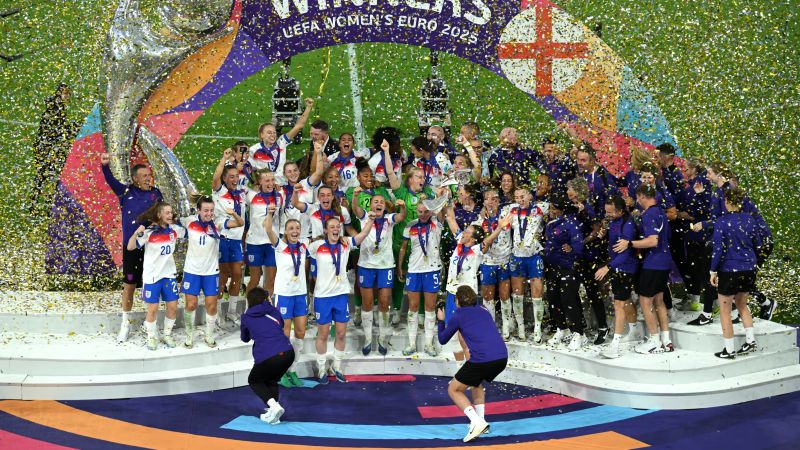
The deafening roar of over 87,000 fans at Wembley. Chloe Kelly’s iconic celebration. A nation captivated. The UEFA Women’s Euro 2022 wasn’t just a football tournament; it was a cultural earthquake. It was a seismic shift that proved what fans have known for years: women’s football is not a niche interest—it is a global powerhouse, brimming with elite talent, fierce passion, and a power that transcends the pitch. Now, as the world turns its eyes to the pristine landscapes of Switzerland, the stage is set for the Women’s Euro 2025. This tournament is poised to be more than a sequel. It represents the next chapter in a story of relentless progress, a celebration of athletes who are not only champions in their sport but also powerful agents of social change. This isn’t just about lifting a trophy. It’s about lifting an entire generation. It’s about crushing long-standing barriers in media, business, and society. Let’s explore how the UEFA Women’s Euro 2025 is shaping up to be a landmark event for sport and equality.
The Road to Switzerland: A New Stage for a New Era
After the resounding success of the tournament in England, UEFA awarded hosting rights to Switzerland for 2025. This decision signals a commitment to growing the game across the continent, providing a central European hub for fans to gather. The tournament will take place across several host cities, including Basel, Bern, Geneva, and Zurich, promising world-class infrastructure and a stunning backdrop for the beautiful game.
The qualification journey is already a testament to the sport’s expanding depth. While traditional powerhouses are battling for their spot, we’re seeing increased competitiveness from nations across Europe. This fierce competition for a place in Switzerland is the first sign of the tournament’s significance—every team knows that qualifying for Euro 2025 means being part of a pivotal moment in sporting history.
Beyond the 90 Minutes: Crushing Barriers and Building Legacies
The true triumph of women’s football is measured not just in goals, but in the barriers it dismantles. The Women’s Euro 2025 will be a focal point for this ongoing revolution.
1. The Economic Breakthrough: From Passion Project to Professional Powerhouse
For decades, female footballers fought for basic resources, respect, and the right to be full-time professionals. Today, the landscape is transforming.
- Record-Breaking Investment: The success of Euro 2022 triggered a flood of commercial interest. We’re seeing unprecedented sponsorship deals, broadcast rights selling for record sums, and major brands aligning themselves with women’s teams and players. This financial injection is crucial, allowing for better salaries, state-of-the-art training facilities, and robust youth development programs.
- Driving Commercial Value: The stars of the Women’s Euro 2025 are not just athletes; they are marketable, influential figures. Players like Spain’s Aitana Bonmatí, England’s Keira Walsh, and Germany’s Alexandra Popp command global attention, proving that investing in women’s sport delivers a powerful return.
2. The Social Shift: Changing Perceptions and Inspiring Millions
The “see it, be it” effect is one of the most powerful legacies of a major tournament. Euro 2025 will amplify this on a massive scale.
- Creating Visible Role Models: Every girl watching will see strong, skilled, and resilient women competing at the highest level. These athletes are dismantling outdated stereotypes about women in sport with every tackle, pass, and goal. They demonstrate that strength and femininity are not mutually exclusive.
- A Platform for Advocacy: Modern athletes understand their influence extends beyond the white lines. Many stars of the women’s game are vocal advocates for social justice, LGBTQ+ rights, and, most notably, gender equality. The tournament provides a global stage to champion these causes, inspiring conversations in households and boardrooms alike. The ongoing fight for equal pay and conditions, championed by teams like the USWNT, has a powerful echo in the European game.
3. Growing the Game: A Grassroots Explosion
The biggest indicator of a tournament’s success is its long-term legacy. Following Euro 2022, football clubs across England and Europe reported a massive surge in girls and women signing up to play. Euro 2025 is set to continue this trend, creating a virtuous cycle:
- Inspiring Participation: A successful tournament creates a wave of enthusiasm that reaches local parks and schoolyards.
- Strengthening the Talent Pipeline: More players at the grassroots level means a larger, more competitive talent pool for the future.
- Building a Sustainable Future: This growth ensures the quality and excitement of women’s football will only increase with each passing tournament.
Teams to Watch and Key Storylines for Euro 2025
While the off-pitch impact is immense, the on-pitch drama is what will capture our hearts. The Women’s Euro 2025 promises tantalizing storylines.
- The Reigning Champions: England’s Lionesses: Can Sarina Wiegman’s squad defend their crown? After their historic victory, the pressure is on. With a blend of veteran leadership and new talent, they will be a formidable force, but the target is now firmly on their back.
- The World Champions: Spain’s La Roja: Fresh off their 2023 FIFA Women’s World Cup victory, Spain’s technical mastery and possession-based football are the envy of the world. Led by Ballon d’Or winners, they will enter the tournament as undeniable favorites, eager to add the European title to their global one.
- The Perennial Contenders: Germany and France: You can never count out Germany, an eight-time European champion whose blend of tactical discipline and physical power makes them a threat in any tournament. Meanwhile, France possesses a squad bursting with individual brilliance and will be desperate to finally convert their immense talent into major tournament silverware.
- The Dark Horses: Teams like the Netherlands, Sweden, and host nation Switzerland could cause major upsets. The ever-improving quality across the board means that the path to the final in Basel is wide open.
A Defining Moment Awaits in Switzerland
The Women’s Euro 2025 is not just another date on the sporting calendar. It is a milestone. It is the culmination of decades of struggle, a celebration of present-day excellence, and a beacon for a more equitable future.
It’s a testament to the women who played on muddy pitches for little to no pay, the advocates who fought for recognition, and the fans who believed in the game long before it was mainstream. When the first whistle blows in Switzerland, it will signal the start of a world-class football competition. But more than that, it will be another powerful declaration that women’s football is here to stay, here to inspire, and here to lead the change.
The world will be watching—not just to see who wins, but to witness champions crush barriers, one goal at a time.
 Lynn Leblanc
  Jennifer Williams
  Debbie Price