
6 min read
1081 words
A pressure washer can be a game-changer for maintaining a pristine home and sparkling vehicles. From blasting away stubborn grime on your patio to gently washing your car’s delicate paint, the right pressure washer makes light work of tough cleaning tasks. But with so many options on the market, how do you choose the one that’s right for you? This comprehensive guide will walk you through everything you need to know, helping you select the ideal pressure washer for general home use and, specifically, for safely and effectively cleaning your car.
Understanding the Basics: How to Choose a Pressure Washer (General Use)
Before diving into car-specific needs, let’s cover the foundational elements of choosing a pressure washer for general household cleaning. The primary factors to consider are PSI (Pounds per Square Inch), GPM (Gallons Per Minute), and the power source.
- PSI (Pounds per Square Inch): The Cleaning Power PSI indicates the force with which water is expelled. Higher PSI means more cleaning power.
- Light-Duty (1300-1900 PSI): Great for outdoor furniture, grills, cars, small patios, and bikes.
- Medium-Duty (2000-2800 PSI): Ideal for decks, fences, siding, sidewalks, and general home cleaning.
- Heavy-Duty (2900-3300+ PSI): For tough jobs like stripping paint, removing heavy grime from concrete, driveways, and two-story homes.
- GPM (Gallons Per Minute): The Rinsing Power GPM measures the volume of water flowing through the nozzle. While PSI blasts away dirt, GPM helps rinse it away efficiently. A higher GPM means faster cleaning and rinsing.
- Lower GPM (1.1-1.4 GPM): Common in electric models, sufficient for lighter tasks.
- Higher GPM (1.5-2.0+ GPM): Found in gas models, suitable for faster, more extensive cleaning.
- Power Source: Electric vs. Gas
- Electric Pressure Washers:
- Pros: Lighter, quieter, lower maintenance, no fumes, typically more affordable, perfect for smaller tasks. Often have PSI ranges suitable for car washing.
- Cons: Limited by power cord length, generally less powerful than gas models.
- Gas Pressure Washers:
- Pros: More powerful, excellent for heavy-duty cleaning, greater mobility (no cords), faster cleaning times.
- Cons: Heavier, noisier, requires fuel and oil, more maintenance, produce exhaust fumes, generally more expensive.
- Electric Pressure Washers:
For most homeowners looking for versatility, a medium-duty electric pressure washer or a mid-range gas model often strikes a good balance for general outdoor cleaning tasks like patios, driveways, and siding.
How to Choose a Pressure Washer for Your Car
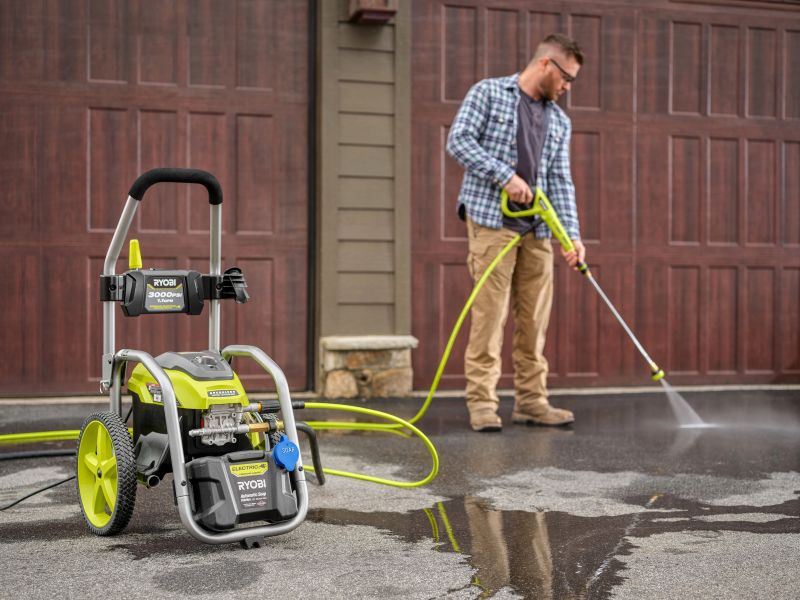
When it comes to your car, precision and gentleness are key. You want to thoroughly clean without risking damage to the paintwork or delicate components. This requires a more nuanced approach than just picking the most powerful machine.
The Golden Rule: Avoid excessive pressure. While a high PSI might seem efficient, it can cause significant damage to your car’s clear coat, paint, and trim.
Here’s what to look for when choosing a pressure washer specifically for car washing:
- Prioritize Electric Models: For car washing, an electric pressure washer is almost always the preferred choice. They offer more controlled pressure output within a safer range for vehicle surfaces. Their quieter operation and lack of exhaust fumes also make for a more pleasant detailing experience.
- Focus on the Right PSI Range: This is perhaps the most critical factor.
What is a Good PSI for a Pressure Washer for Cars?
For car washing, a good PSI range is typically between 1200 and 1900 PSI.
- 1200-1500 PSI: This is the ideal sweet spot for most car detailing enthusiasts. It provides enough power to effectively remove dirt, grime, and road salt without posing a risk to your car’s paint.
- 1600-1900 PSI: Still acceptable, but requires a bit more caution and maintaining a greater distance from the car’s surface. With these higher pressures, always use a wide-angle nozzle.
- Anything above 2000 PSI: Generally considered too powerful for direct application on car paint unless you are extremely experienced and using very wide spray angles from a significant distance. For most users, it’s best to avoid these for car washing to prevent damage like peeling clear coat, stripping wax, or even denting panels.
Remember, GPM is also important for rinsing away soap and loosened dirt efficiently. Look for a model with at least 1.2 GPM (preferably 1.4 GPM or higher) within your chosen PSI range for a faster and more effective wash.
Beyond PSI: Crucial Features for Car Washing
Once you’ve narrowed down the PSI and GPM, consider these additional features for an optimal car washing experience:
- Nozzles / Spray Tips: These are vital for controlling the spray pattern and pressure.
- Standard Nozzles: Pressure washers come with various angled nozzles (0°, 15°, 25°, 40°, and a low-pressure soap nozzle).
- Avoid the 0° (red) nozzle: This is a pinpoint stream and will almost certainly damage your car’s paint.
- Use 25° (green) or 40° (white) nozzles: These wider angles disperse the pressure, making them safe for car paint. Always start with the widest angle and test on an inconspicuous area.
- Black (soap) nozzle: This provides the lowest pressure and is designed for applying detergent.
- Foam Cannon Compatibility: This is a non-negotiable accessory for serious car detailing. A good foam cannon (which often attaches to the pressure washer wand) creates a thick, clinging foam with your car wash soap, allowing it to dwell on the surface and break down dirt before rinsing. Look for a pressure washer with a universal quick-connect fitting for easy attachment.
- Standard Nozzles: Pressure washers come with various angled nozzles (0°, 15°, 25°, 40°, and a low-pressure soap nozzle).
- Hose Length: A longer hose (20-25 feet is ideal) gives you more reach around your vehicle without having to move the pressure washer unit constantly. This improves convenience and reduces the risk of tripping over the machine.
- Detergent Tank: Some pressure washers have on-board detergent tanks for applying soap. While convenient, a dedicated foam cannon generally provides a superior foam for car washing. Ensure the unit can at least supply water to a foam cannon effectively.
- Portability and Storage: Consider the unit’s weight, wheel design, and compact size for easy movement around your car and convenient storage in your garage.
- Reliable Brand and Warranty: Invest in a reputable brand with good customer reviews and a solid warranty for peace of mind.
Final Thoughts
Choosing the right pressure washer doesn’t have to be overwhelming. For general home cleaning, assess your common tasks and balance PSI, GPM, and power source. For your beloved car, prioritize an electric model with a PSI between 1200-1900, a decent GPM, and ensure it’s compatible with a quality foam cannon and offers wide-angle nozzles.
By considering these factors, you’ll be well-equipped to make an informed decision, ensuring you get a versatile tool that not only makes your outdoor surfaces sparkle but also keeps your car looking its best, safely and effectively. Happy cleaning!
 April Franke
  Christy Jernigan