
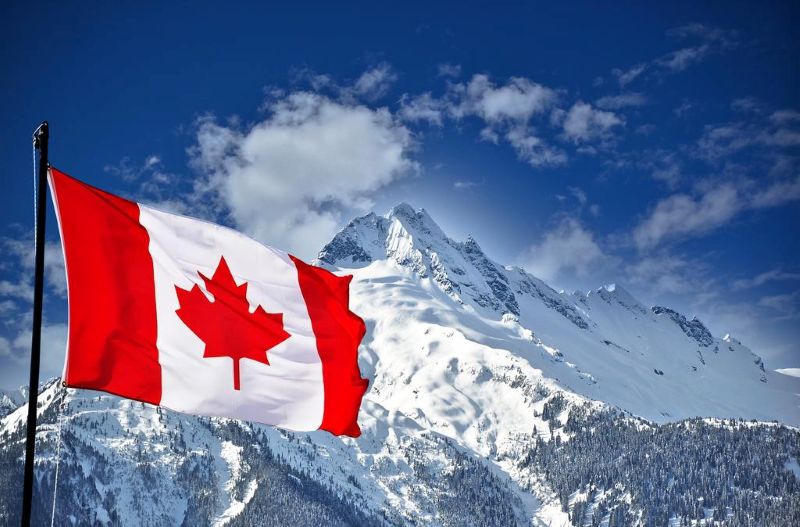
Canada as the 51st State? Why Independence Matters
6 min read
1176 words
As discussions continue to circulate about the possibility of Canada becoming the 51st state of the United States under the Trump administration, many Canadians and Americans have been left wondering what such a historic change would actually mean. While the idea may appeal to some people who see potential economic or political advantages, others believe that joining the United States would create significant challenges and could fundamentally change what makes Canada unique.
Canada has spent more than 150 years developing its own identity as an independent nation. From its healthcare system and social programs to its approach to diplomacy, environmental policies, and multiculturalism, Canada has built a society with values and traditions that are distinct from those of its southern neighbour.
Before considering such a dramatic change, it is important to examine the potential consequences, including the impact on Canadian culture, political independence, economic decision-making, and national sovereignty.
Loss of Cultural Identity
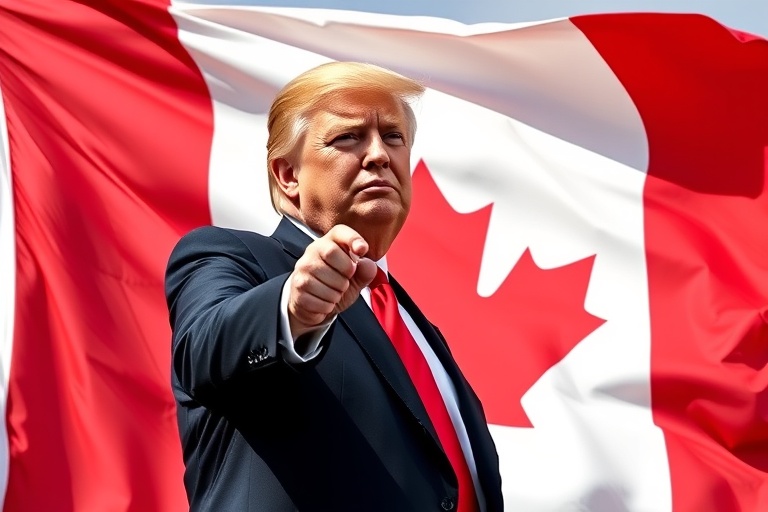
One of the strongest arguments against Canada becoming part of the United States is the potential loss of Canadian cultural identity.
Canada has developed its own traditions, history, and national character. While Canadians share many similarities with Americans, including language, geography, and economic connections, the two countries have developed different approaches to many important issues.
Canadian identity is often associated with values such as universal healthcare, a stronger social safety net, multicultural communities, and a different approach to government and public services. These differences are part of what many Canadians consider central to their national identity.
If Canada became a U.S. state, many of the systems and policies that define Canadian life could be changed or replaced by American laws and regulations. Decisions about healthcare, education, social programs, and cultural policies would no longer be made solely by Canadians.
For many people, protecting Canada’s identity means preserving the ability to choose its own path rather than becoming part of a larger political system.
Political Differences Between Canada and the United States
Although Canada and the United States share one of the world’s closest relationships, the two countries often have different political priorities and approaches to government.
Issues such as healthcare, immigration, environmental protection, taxation, workers’ rights, and social programs are handled differently in each country. Canada has traditionally developed policies based on its own population, geography, and national priorities.
Becoming a state would mean that Canadians would participate in the U.S. political system, but they would also have to follow decisions made by a much larger federal government. With the United States having a population many times larger than Canada’s, Canadian concerns could potentially have less influence in national decision-making.
Some Canadians worry that policies created for the needs of a large and diverse American population may not always reflect the priorities of Canadian communities.
Economic Uncertainty
Supporters of closer integration with the United States often point to possible economic benefits. The United States is Canada’s largest trading partner, and the two economies are already deeply connected through industries such as manufacturing, energy, agriculture, and technology.
However, becoming a state would also create economic uncertainty.
Canada currently has the ability to create its own economic policies, negotiate trade agreements, manage natural resources, and make financial decisions based on Canadian interests. As a U.S. state, those responsibilities would shift to the federal government in Washington.
While some businesses might benefit from easier access to a larger market, others could face challenges as Canadian economic priorities become part of a broader American system.
Economic independence allows Canada to make decisions that consider its own population, industries, and regional differences.
Loss of Sovereignty and National Independence
Perhaps the biggest concern about becoming a U.S. state is the loss of Canadian sovereignty.
As an independent country, Canada has the ability to make its own decisions on the world stage. It can create its own foreign policy, establish international relationships, and participate in organizations as a separate nation.
Canada has a long history of contributing to international peacekeeping, diplomacy, humanitarian efforts, and global cooperation. Becoming a state would mean that Canada would no longer have complete control over these decisions.
National independence gives Canadians the ability to determine their own future and address challenges in ways that reflect their own values and priorities.
Different Approaches to Healthcare and Social Programs
Healthcare is one of the most frequently discussed differences between Canada and the United States.
Canada’s publicly funded healthcare system is an important part of the country’s identity. While the Canadian system has challenges, including wait times and pressure on healthcare workers, many Canadians view universal healthcare as a fundamental part of society.
The United States has a different healthcare model that relies more heavily on private insurance and individual coverage. A transition from one system to another would be extremely complicated and could create uncertainty for millions of Canadians.
Social programs, retirement benefits, and other public services could also face significant changes under a different government structure.
Canada’s Ability to Build Global Partnerships
Rather than becoming part of another country, Canada can continue developing relationships with nations around the world.
Canada already has strong partnerships with countries in Europe, Asia, and other regions. Expanding trade relationships and international cooperation can provide economic opportunities while allowing Canada to maintain its independence.
Working with allies does not require giving up national sovereignty. Canada can continue collaborating with the United States while also strengthening relationships with other countries.
The Importance of Canadian Decision-Making
A country’s independence is not only about borders or government structures. It is about the ability of its citizens to decide what kind of society they want to build.
Canada’s provinces and territories have unique needs, from Atlantic fishing communities to Western energy producers, Northern Indigenous communities, and large urban centres such as Toronto, Vancouver, and Montreal.
Maintaining independence allows Canada to create policies that consider these regional differences and respond to the needs of its own citizens.
Should Canada Consider Alternative Partnerships?
Instead of becoming a U.S. state, Canada can continue exploring ways to strengthen cooperation with other countries while maintaining its independence.
Closer economic partnerships, improved trade relationships, and international collaboration can provide many of the benefits of cooperation without eliminating Canada’s ability to govern itself.
Strong partnerships are possible between independent nations. Canada and the United States can continue working together while respecting each country’s unique identity and political system.
Conclusion
While the idea of Canada becoming the 51st state may create discussion and debate, such a decision would involve much more than economic considerations. It would affect Canada’s culture, political system, healthcare, international role, and national identity.
Canada’s independence allows Canadians to make decisions based on their own values, priorities, and circumstances. For many people, remaining a sovereign nation is an important part of protecting the qualities that make Canada unique.
The debate over Canada’s future will continue, but any discussion about such a significant change should carefully consider what could be gained — and what could potentially be lost.
What do you think? Should Canada remain an independent nation, or would closer integration with the United States create new opportunities?

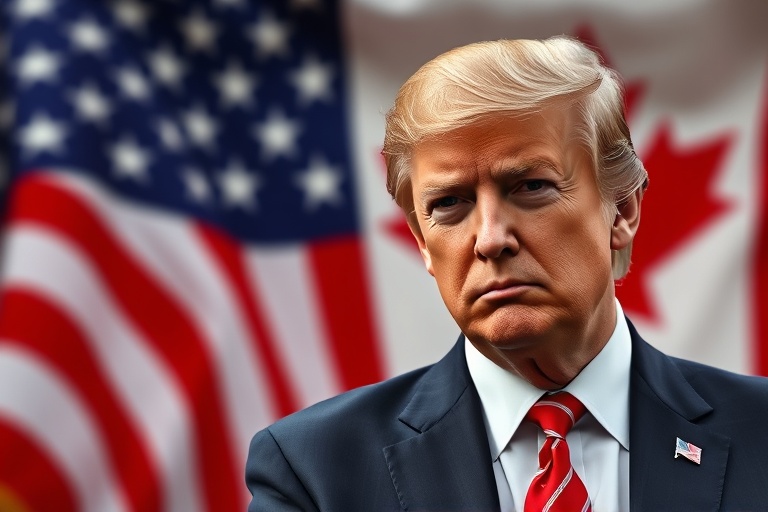



Canada is bigger and better and we are on top.