
6 min read
1165 words
Winter’s embrace can be a magical time, filled with crisp air, cozy evenings, and exciting snowy adventures. For us humans, it often means bundling up in warm layers. But what about our furry family members? While dogs are often perceived as hardy creatures, especially those with thick coats, they are just as susceptible to winter’s hazards as we are. Ensuring their safety and comfort during the colder months requires a proactive approach and a keen understanding of the potential risks. This season, let’s make sure your canine companion stays healthy, happy, and safe from the chill. We’ll delve into essential winter dog safety tips, covering everything from outdoor excursions to indoor precautions.
Navigating the Great Outdoors: Protecting Paws and Preventing Hypothermia
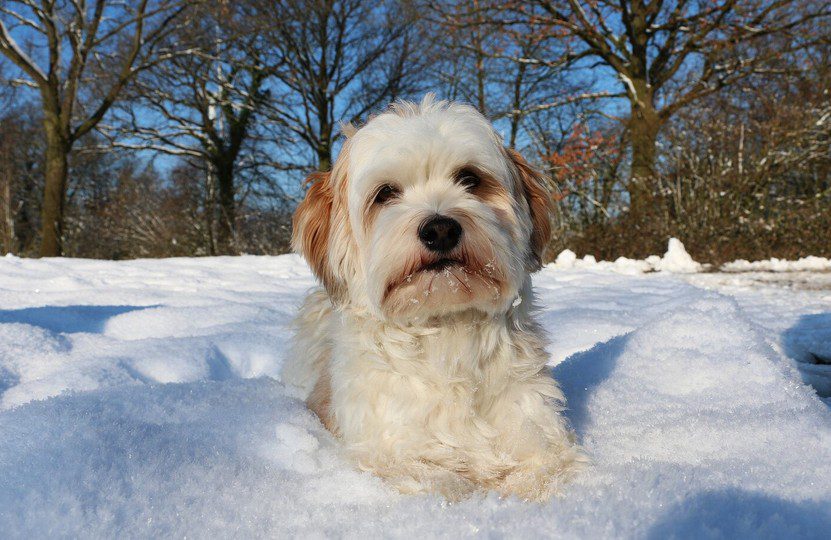
The allure of a snowy landscape can be irresistible for many dogs, and short outdoor excursions can provide much-needed exercise and mental stimulation. However, the cold, ice, and snow present a unique set of challenges.
Paw Care is Paramount: Those adorable paws, so adept at exploring grassy fields, are surprisingly vulnerable in winter. Ice balls can form between a dog’s toes, causing discomfort and even injury. Salt and de-icing chemicals used on sidewalks and roads are highly irritating and can lead to cracked, dry, or even burned paw pads.
- Before you go: Consider applying a protective paw balm or wax before heading out for a walk. These create a barrier against ice, salt, and chemicals.
- During your walk: Keep walks on paved surfaces as short as possible. Stick to well-groomed trails if venturing into snowy areas.
- After every walk: Thoroughly rinse your dog’s paws with lukewarm water to remove any residual salt or chemicals. Gently dry them with a towel, paying attention to the spaces between the toes. Look for any signs of redness, cracking, or irritation.
- Consider booties: For dogs with sensitive paws or long walks in extreme conditions, dog booties can be an excellent investment. Ensure they fit snugly but not too tightly, and allow your dog some time to adjust to wearing them indoors.
Beware of the Big Chill: Hypothermia and Frostbite: While some breeds are more naturally adapted to cold weather, no dog is immune to the dangers of prolonged exposure. Hypothermia occurs when a dog’s body temperature drops dangerously low, and frostbite can damage skin and tissue, particularly on extremities like ears, tail, and paws.
- Know your dog’s limits: Shivering is the first and most obvious sign of being too cold. Other indicators can include lethargy, weakness, or whining. Pay attention to your dog’s behavior; if they seem reluctant to go out or are constantly trying to get back inside, it’s a sign they’ve had enough.
- Limit outdoor time: Short, frequent potty breaks are preferable to long, drawn-out walks in freezing temperatures.
- Consider a coat: For short-haired breeds, elderly dogs, puppies, or dogs with medical conditions that make them more sensitive to cold, a warm, waterproof coat is essential. Ensure the coat fits well and covers their body without restricting movement.
- Avoid icy water: If your dog enjoys playing in water, even in chilly weather, be aware that prolonged immersion in cold water can lead to hypothermia.
- Watch for frostbite: Signs of frostbite include pale or bluish skin that then turns black, swelling, and a cold, leathery feel to the affected area. If you suspect frostbite, gently warm the affected area with lukewarm (not hot) water or a warm cloth. Seek veterinary attention immediately.
Toxins Lurking in the Snow: Antifreeze is a sweet-tasting but highly toxic liquid for dogs. Even a small lick can be fatal. It often leaks from cars and can be found on driveways and roads.
- Clean up spills: If you notice any antifreeze spills, clean them up immediately and thoroughly.
- Be vigilant on walks: Keep your dog away from areas where antifreeze might have spilled.
- Store safely: Ensure all automotive fluids are stored securely in your garage or out of reach of your pets.
Indoor Comfort and Preventative Measures: The Warmth Within
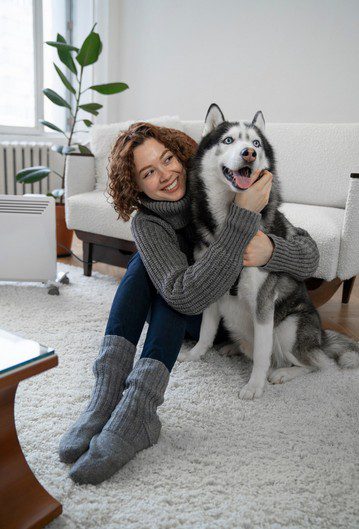
While outdoor safety is crucial, winter’s impact extends indoors. Drafty homes, dry air, and changes in routine can all affect your dog’s well-being.
Combatting Dry Air and Skin: Heating systems can significantly dry out the air, leading to dry, itchy skin and flaky coats for your dog.
- Humidify your home: Using a humidifier can help maintain optimal moisture levels in the air, benefiting both you and your dog’s skin and coat.
- Hydration is key: Ensure your dog always has access to fresh, clean water. Sometimes, in dry environments, dogs may not drink enough, which can exacerbate dry skin.
- Omega-3 fatty acids: Talk to your veterinarian about incorporating Omega-3 fatty acid supplements into your dog’s diet. These can help improve skin and coat health, making them more resilient to dry conditions.
- Regular grooming: While you might be tempted to let your dog’s coat grow out for warmth, regular brushing still remains important. It helps distribute natural oils, prevents matting, and allows you to check for any skin issues.
Dietary Adjustments for the Colder Months: Your dog’s energy needs might change with the seasons. If your dog is less active indoors during winter, they may require fewer calories to prevent weight gain. Conversely, if they are spending more time playing in the snow and expending extra energy, their calorie intake might need to be slightly increased.
- Monitor weight: Regularly check your dog’s weight. If you can’t easily feel their ribs, they might be gaining too much.
- Consult your vet: Discuss any potential dietary changes with your veterinarian, as they can provide personalized recommendations based on your dog’s age, breed, activity level, and health status.
Keeping Them Entertained and Engaged: Shorter days and colder weather often mean less time for outdoor play. Boredom can lead to destructive behaviors and anxiety.
- Indoor games: Engage your dog with indoor games like fetch (in a safe space), tug-of-war, or puzzle toys that dispense treats.
- Training sessions: Short, frequent training sessions are a great way to provide mental stimulation and reinforce good behavior.
- Interactive toys: Invest in interactive toys that challenge your dog mentally and keep them occupied.
Health Checks are Non-Negotiable: Winter can exacerbate certain pre-existing health conditions, such as arthritis. Regular veterinary check-ups are vital year-round, but especially so during the colder months.
- Arthritis management: If your dog suffers from arthritis, you may notice an increase in stiffness or pain during winter. Discuss pain management options with your vet, which might include medication, supplements, or physical therapy.
- General health: Ensure your dog is up-to-date on vaccinations and parasite prevention, as some parasites are still active during winter.
By implementing these crucial winter dog safety tips, you can ensure your canine companion enjoys the beauty and fun of the season without compromising their health and well-being. A little extra care, attention, and preparation will go a long way in making this winter a safe and happy one for your beloved furry friend.
 Hannah Clare
  Olivia Brown