Don’t Let Termites Turn Your Home Into Their Retreat
4 min read
779 words
Your home is your sanctuary, a place of comfort and security. But lurking beneath the surface, a silent threat could be turning your beloved dwelling into a termite’s all-you-can-eat buffet. Termites might be small, but their destructive potential is immense, silently eating away at the very structure of your home. The good news? You don’t have to live in fear of these wood-munching invaders. By understanding their habits and taking proactive measures, you can significantly reduce your risk and ensure your home remains termite-free. This guide is your first line of defense, packed with actionable tips to keep termites from making a permanent residence out of your home.
The Silent Invaders: Why Termites Are Such a Threat
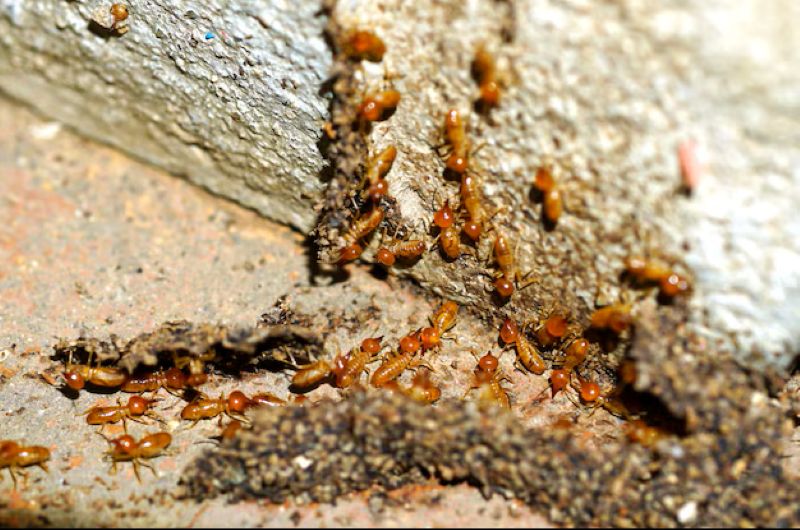
Termites are often called “silent destroyers” for a reason. Unlike other pests, they work behind the scenes, often for years, before their presence becomes obvious. They are social insects, living in colonies with a queen, workers, and soldiers. Their primary food source? Cellulose, found in wood. This means your:
- Wooden structural beams
- Flooring and subflooring
- Wall studs and baseboards
- Furniture and even books
are all potential termite menus. The damage they inflict is not just cosmetic. Over time, termite infestations can compromise the structural integrity of your home, leading to costly repairs and potentially hazardous situations.
Recognizing the Warning Signs: Are Termites Already at Your Door?
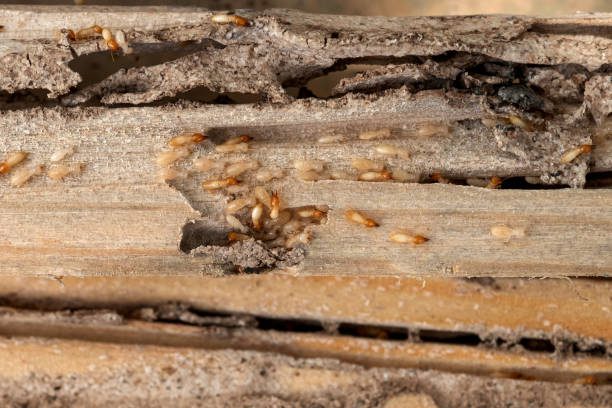
Early detection is crucial. While termites are secretive, there are often subtle signs that can alert you to their presence. Keep an eye out for:
- Discarded Swarmer Wings: After a termite swarm, they shed their wings. Finding piles of these translucent wings, often near windowsills or light sources, is a strong indicator.
- Mud Tubes: Subterranean termites, the most common type, build mud tubes to travel from their underground colonies to your home’s wooden structures. These pencil-sized tubes are usually found on foundation walls, in crawl spaces, or on exterior foundations.
- Wood Damage: Look for hollow-sounding wood when tapped, or wood that appears blistered or feels soft. You might also notice small holes in the wood.
- Frass (Termite Droppings): Drywood termites leave behind small, pellet-like droppings called frass, particularly near their entry points. These can look like sawdust and accumulate in small piles.
- Bubbling or Peeling Paint: Termite activity can sometimes cause paint to bubble or peel, mimicking water damage.
Proactive Prevention: Your Home’s Best Defense
The best way to deal with termites is to prevent them from ever getting comfortable. Implementing these preventative measures can significantly deter these unwanted guests:
1. Moisture Control is Key: Termites are attracted to moisture. * Fix Leaks Immediately: Repair any leaky pipes, faucets, or roofs promptly. * Ensure Proper Drainage: Grade your landscape so water drains away from your foundation. Clean out gutters regularly. * Ventilate Crawl Spaces and Attics: Proper ventilation helps reduce humidity. * Avoid Soil-to-Wood Contact: Ensure there’s a gap of at least six inches between soil and any wooden elements of your home, like siding or support posts.
2. Eliminate Food Sources: Termites need wood to survive, so minimizing their access to it is vital. * Store Firewood Away from the House: If you have a fireplace, stack firewood at least 20 feet away from your home and elevated off the ground. * Remove Dead Trees and Stumps: Decomposing wood is a prime termite attractant. * Inspect and Seal Entry Points: Regularly check your home’s exterior for cracks in the foundation, walls, or around utility lines. Seal any gaps or crevices. * Be Mindful of Mulch: Avoid piling mulch directly against your home’s foundation, as it can retain moisture and provide a bridge for termites.
3. Regular Inspections: Professional inspections are your most powerful proactive tool. * Schedule Annual Termite Inspections: A qualified pest control professional has the expertise and tools to identify early signs of infestation that you might miss. They can assess your specific risk factors and recommend tailored prevention strategies. * DIY Checks: Make it a habit to do your own visual inspections of your home’s exterior and interior, especially in areas prone to moisture or wood contact.
When Prevention Isn’t Enough: Seeking Professional Help
Even with the best preventative measures, termites can sometimes find their way into your home. If you suspect an infestation, or if your annual inspection reveals concerning signs, it’s time to call in the experts.
Professional pest control companies offer a range of solutions, from targeted treatments to comprehensive barrier systems, designed to eradicate existing infestations and provide long-term protection. They understand different termite species and can deploy the most effective methods for your specific situation.
Your Home, Protected
Don’t let termites turn your dream home into a crumbling nightmare. By staying vigilant, implementing smart prevention strategies, and partnering with trusted professionals, you can safeguard your property and your peace of mind.