
4 min read
658 words
Soon the jack-o’-lantern grins will have faded, and the trick-or-treaters will have gone home. You will be left with a porch full of wilting pumpkins. Before you toss them into the trash, consider this: those pumpkins can have a second life, benefiting both your garden and your local wildlife. Landfills are already overflowing, and disposing of organic waste like pumpkins contributes to harmful greenhouse gas emissions. Let’s explore some fantastic, eco-conscious ways to give your pumpkins a purpose beyond Halloween night!
Nourish Your Soil: The Magic of Composting
One of the most beneficial and straightforward ways to repurpose your pumpkins is through composting. Pumpkins are primarily water (about 90%), which means they break down exceptionally quickly, making them a fantastic addition to any compost pile.
Why compost your pumpkins?
- Reduces Landfill Waste: Keeps valuable organic material out of our already strained landfills.
- Minimizes Greenhouse Gases: Composting helps break down organic matter aerobically, preventing the anaerobic decomposition in landfills that produces methane, a potent greenhouse gas.
- Creates Nutrient-Rich Soil: The resulting compost is a gardener’s gold, providing essential nutrients to enrich your soil for future plantings.
Simply chop your pumpkins into smaller pieces to speed up the decomposition process and add them to your compost bin or pile. Remember to remove any lingering candle wax or paint for optimal composting.
A Feast for Feathered & Furry Friends: Wildlife Delights
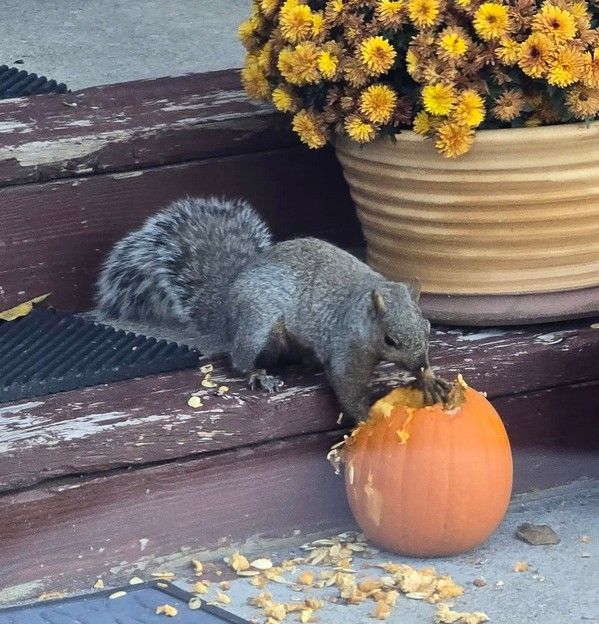
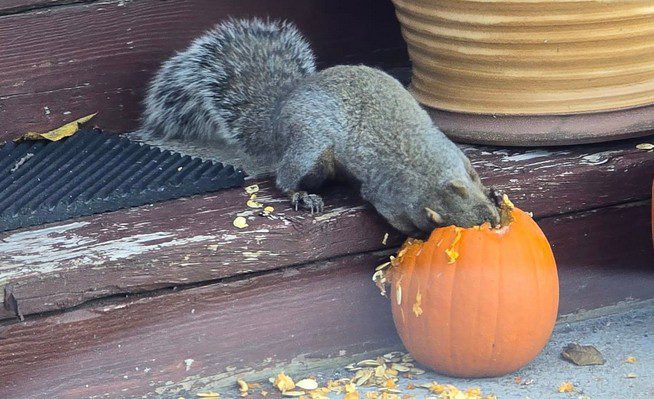
Have you ever noticed tell-tale nibbles on your pumpkins, hinting at nocturnal visitors? Squirrels are notorious for their love of pumpkin seeds, and they aren’t the only ones who find these gourds a tasty treat. Many backyard animals, from chipmunks and birds to deer and rabbits, will gladly feast on leftover pumpkin.
How to feed your local wildlife:
- Seed Savvy: Before composting or discarding, scoop out those delicious pumpkin seeds! Roasting them lightly (no salt or spices) or simply offering them raw can provide a nutritious snack for squirrels, chipmunks, and various bird species. Blue jays, in particular, are known to enjoy pumpkin seeds.
- All-Natural Buffet: Cut your pumpkin into larger pieces or slices and place them in a designated area in your yard where you can observe the critters that come to enjoy the bounty. This is a wonderful way to connect with nature and provide a supplemental food source.
- Bird Feeder Alternative: For a simple and attractive bird feeder, cut off the top half of your pumpkin. Scoop out the insides and fill the bottom half with birdseed. As the pumpkin dries, poke a few small drainage holes in the bottom to prevent the birdseed from becoming moldy. This creates a charming, temporary feeder that birds will flock to.
Beyond the Basics: Unique Pumpkin Uses
The versatility of pumpkins extends even further:
- Grow Your Own Patch: If you have a spacious garden, consider saving seeds from this year’s pumpkins to plant next spring. You might be surprised by the rewarding experience of growing your own pumpkin patch!
- Dehydrated Dog Treats: Cut pumpkin flesh into thin strips and dehydrate them using a food dehydrator or a low oven setting. These make for healthy and surprisingly popular dog treats, packed with vitamins and fiber.
- Donate to Animal Sanctuaries: Local animal shelters and wildlife rehabilitation centers often welcome donations of pumpkins to supplement the diets of the animals in their care. A quick call to your local sanctuary can confirm their needs during this season.
- Culinary Creations: Don’t forget the culinary potential of leftover pumpkin! Beyond the classic pumpkin pie, consider incorporating it into savory dishes like pumpkin soup, a flavorful hummus, or even roasted pumpkin seeds for your own snacking pleasure.
Make Every Pumpkin Count
This year, bypass the landfill and embrace the many wonderful ways to repurpose your Halloween pumpkins. By composting, feeding wildlife, or exploring these creative options, you’re not only reducing waste but also contributing to a healthier environment and a more vibrant ecosystem right in your backyard. Let’s make sure those festive gourds fulfill their full potential!
 Leo Allen
  Ananya
  Sierra Powell