
13 min read
2586 words
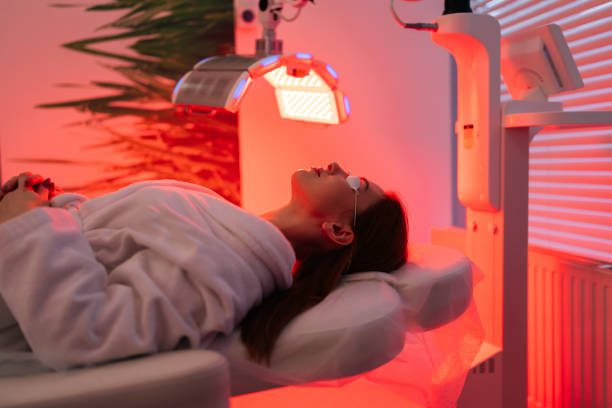
In the buzzing world of wellness technology, few innovations have garnered as much attention as Red Light Therapy (RLT), scientifically known as photobiomodulation. It promises everything from smoother skin and reduced joint pain to faster muscle recovery—all without a needle or harsh chemical. From full-body panels and portable wands to popular at-home devices like the red light mask, its accessibility is rapidly growing.
But with surging popularity comes a flood of information and, sometimes, misinformation. This technology is incredibly powerful, which means understanding how it works, what to look for in a device, and, crucially, how to use it safely is absolutely essential. Ready to understand the science behind the glow? Let’s dive deep into the verified benefits, address your biggest safety concerns, and separate the therapeutic facts from the marketing hype.
What is Red Light Therapy (Photobiomodulation)? Unlocking Your Cells’ Potential
Red Light Therapy is a non-invasive treatment that harnesses the power of specific wavelengths of light—typically red light (around 630 nm to 700 nm) and near-infrared light (NIR, around 700 nm to 1000 nm). Unlike ultraviolet (UV) light, which burns and damages cells, RLT delivers beneficial energy that stimulates the mitochondria (often called the “powerhouses”) within your cells. This process, known as photobiomodulation, is like giving your cells a natural energy boost.
When these particular wavelengths of light penetrate the skin, they are absorbed by chromophores (light-sensitive molecules) inside your cells. This absorption kickstarts a cascade of metabolic events that enhance cellular function and repair. Think of it as providing your cells with the optimal fuel they need to perform their best, leading to a host of therapeutic benefits.
This boost in energy production, primarily through the process of photobiomodulation, helps:
- Promote Cellular Repair and Regeneration: By increasing ATP (adenosine triphosphate) production, RLT accelerates the body’s natural healing processes. This makes it excellent for wound recovery, tissue regeneration, and even speeding up the repair of micro-tears in muscles after exercise.
- Reduce Inflammation: This calming effect extends to irritated tissues both on the skin surface and deeper within muscles and joints. It offers significant relief from chronic pain conditions, athletic injuries, and inflammatory skin conditions like acne or rosacea.
- Boost Circulation: Enhanced blood flow means more oxygen and vital nutrients are delivered to treated areas, while waste products are removed more efficiently. This improved microcirculation is vital for better healing, reduced swelling, and overall tissue health.
- Increase Collagen and Elastin Production: For skin, this leads to firmer, smoother texture, improved elasticity, and a visible reduction in the appearance of fine lines and wrinkles. This is a key benefit often sought after by users of a red light mask for anti-aging and skin rejuvenation.
Does LED Light Therapy Actually Work? Separating Hype from Fact
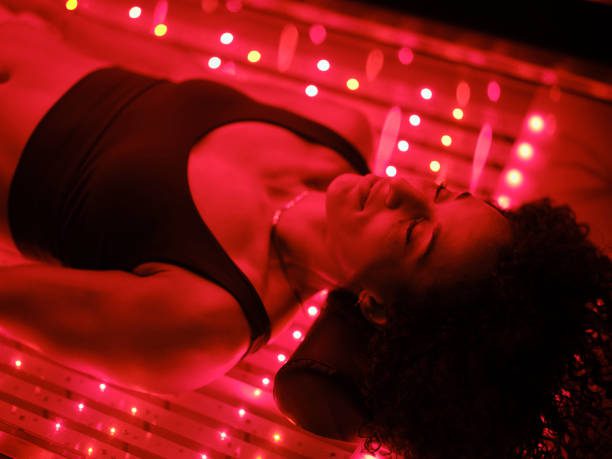
A common and critical question for newcomers is simple: Does LED light therapy actually work effectively? The short answer is a resounding yes—but the effectiveness depends heavily on the specific condition being treated, the quality of the device, and consistent, correct usage. It’s not a magic bullet, but rather a powerful, scientifically-backed tool when applied strategically.
Clinical research and an ever-growing body of scientific evidence support the use of RLT for several key areas:
- Skin Health and Anti-Aging: Numerous studies have shown that RLT, specifically the red wavelengths, can penetrate the epidermis (outer skin layer) to stimulate fibroblasts. These crucial cells are responsible for producing collagen and elastin, the proteins that give skin its structure, firmness, and elasticity. The result? A noticeable reduction in fine lines, wrinkles, blemishes, improved overall skin tone, texture, and a healthy glow. This is precisely why devices like a red light mask have become incredibly popular in home skincare routines for tackling signs of aging, sun damage, and even acne.
- Pain Management and Healing: Near-infrared light (NIR) penetrates deeper into the body than red light, reaching muscle tissue, nerves, bones, and joints. It is frequently utilized by physical therapists, chiropractors, and sports medicine professionals to speed up wound healing, alleviate chronic pain related to arthritis, fibromyalgia, back pain, and various muscle or joint injuries, and reduce muscle soreness after intense exercise, promoting faster recovery.
- Hair Growth: For those experiencing certain forms of hair loss, such as androgenetic alopecia (pattern baldness), specific RLT wavelengths have been linked to stimulating dormant hair follicles, improving circulation to the scalp, and extending the anagen (growth) phase of the hair cycle. This offers a promising, non-drug solution for some individuals.
- Mood and Cognitive Function: Emerging research also hints at potential benefits for mood regulation, reducing symptoms of seasonal affective disorder (SAD), improving sleep quality, and even enhancing cognitive function. These frontier areas require more extensive studies, but the preliminary results are exciting.
The Verdict: When used correctly and with a properly calibrated device that delivers the right wavelengths and sufficient power, RLT is a proven, effective therapy backed by robust science. Always look for devices that cite clinical studies and have appropriate certifications to ensure you’re investing in legitimate technology.
Usage and Safety Protocols: What Happens If You Use Red Light Therapy Every Day?
One of the greatest appeals of RLT is that it has a remarkably low risk profile when used as directed. It’s non-invasive, generally pain-free, and doesn’t involve harsh chemicals or UV radiation. However, like any powerful therapeutic treatment, misuse can lead to adverse effects or simply diminish its effectiveness. Understanding proper usage is crucial for maximizing benefits and ensuring safety.
The Overuse Risk: Finding the “Sweet Spot”
The key concern with misuse is often using a device too frequently or for too long per session. Your cells benefit from a specific “dose” of light energy. Flooding them with too much light (often referred to as “overdose”) doesn’t improve results; it can actually stress the cells, potentially leading to a counterproductive effect and slowing down the beneficial processes. Think of it like watering a plant – too little, it withers; too much, it drowns. Your cells have an optimal range for light absorption and response.
What happens if you use red light therapy every day?
For most healthy individuals using a quality home device correctly (e.g., 10–20 minutes per area, or according to red light mask manufacturer guidelines), daily use is generally safe and often recommended, especially during an initial treatment phase. Consistency is often the key to seeing the best, cumulative results over time, particularly for skin rejuvenation or pain management. However, you must adhere strictly to your specific device’s guidelines regarding distance from the skin and session time. Longer isn’t always better; follow the instructions carefully to avoid overstimulation.
The Safety Imperative: Protect Your Eyes!
If your device uses powerful LEDs, especially near-infrared wavelengths which are invisible to the naked eye but can penetrate deeply into tissues, never skip eye protection. Unprotected, prolonged exposure to high-intensity light can potentially damage the retina. Always wear the provided safety goggles or glasses during facial treatments, particularly when using a powerful red light mask or a large panel near your eyes. Your vision is priceless – don’t take unnecessary risks.
Skin Sensitivity and Device Proximity:
While a mild, temporary redness is common after a session due as a result of increased blood flow, using a device that is too powerful, too close to the skin, or for too long can potentially cause minor irritation, dryness, or in very rare cases, superficial burns. Always start slowly, follow the manufacturer’s directions precisely, and gradually increase duration or proximity if your skin tolerates it well. If you have particularly sensitive skin, or conditions like rosacea or eczema, it’s wise to consult with a dermatologist before regular use.
Contraindications:
While RLT is generally safe for most, it’s wise to consult a healthcare professional before extensive use if you are pregnant, have epilepsy, are taking photosensitizing medications (which make your skin more sensitive to light), have active cancer, or have a pacemaker/implantable device. This ensures RLT is appropriate for your individual health profile.
Navigating the Market: Do Cheap Red Light Therapy Devices Work?
The market is flooded with affordable RLT wands, panels, and especially red light mask options, leading many to ask: Do cheap red light therapy devices actually work effectively? The unfortunate truth is that the price often reflects the quality of two crucial, non-negotiable factors that determine therapeutic efficacy: Wavelength Accuracy and Irradiance.
- Wavelength Accuracy: Effective RLT relies on exact, clinically proven wavelengths (e.g., 660 nm for red light, 850 nm for NIR). Very cheap devices may use standard LEDs that look red but do not emit the precise therapeutic wavelengths required to stimulate the mitochondria effectively. It’s like buying a violin that looks beautiful but is out of tune—it won’t produce the desired music. The wrong wavelength means no cellular response.
- Irradiance (Power Output): Irradiance measures the light power density delivered to your skin (typically measured in mW/cm²). This is arguably the most critical factor. If a device has low irradiance, you would have to sit under it for hours to receive a therapeutic dose, making the treatment impractical and ineffective. Higher irradiance generally means shorter, more efficient treatment times, delivering the effective “dose” of light energy in a reasonable timeframe.
What to Look for in a Quality Device (Especially a Red Light Mask):
To ensure you’re getting a device that actually works, keep these points in mind:
- Documented Wavelengths: The manufacturer should clearly state the exact wavelengths used (e.g., specific numbers like 660 nm, 850 nm), not just “red light” or “near-infrared.”
- Verifiable Irradiance: Look for devices that provide documented irradiance measurements, often found in the specifications or user manual. Be wary of devices that don’t disclose this, as it’s a key indicator of power.
- FDA Clearance/Registration: While not a direct guarantee of efficacy, FDA clearance for specific conditions or FDA registration often indicates a certain standard of manufacturing, testing, and safety.
- Reputable Brand: Choose brands with good customer reviews, responsive technical support, and a history of producing quality wellness devices. Check independent reviews and scientific validations.
- Build Quality & Warranty: A well-built device will last longer and perform more consistently. A good warranty indicates the manufacturer stands behind their product.
- Comfort & Fit (for Red Light Masks): If considering a red light mask, ensure it fits comfortably, covers the desired treatment areas evenly, and allows for proper eye protection. Look for medical-grade silicone or other skin-friendly materials.
The Takeaway: While you don’t necessarily need the most expensive clinical-grade model, beware of extremely low-cost devices without verifiable specifications. Investing in a quality device, even if it’s a bit more expensive upfront, will ensure you’re getting actual therapeutic benefits and not just a “red light” with no real power.
Professional Endorsement: Do Dermatologists Recommend Red Light Therapy?
Yes, many dermatologists, aestheticians, and medical professionals not only recommend but actively incorporate RLT into their practices. Its versatility, non-invasive nature, and proven cellular benefits make it a valuable adjunct to other treatments and a staple in modern skincare and wellness protocols.
Dermatologists often recommend RLT for:
- Reducing inflammation associated with acne vulgaris (especially when paired with blue light therapy, which targets acne-causing bacteria, creating a comprehensive approach to breakouts).
- Improving the appearance of scars and stretch marks by promoting healthy cellular regeneration and collagen remodeling, leading to smoother, less noticeable skin.
- Boosting the effects of professional cosmetic procedures like microneedling, chemical peels, and injectables, by accelerating healing, reducing redness and downtime, and enhancing overall results.
- General skin rejuvenation and maintenance, particularly for anti-aging, improving overall skin tone and texture, and reducing redness or hyperpigmentation. This is often where quality at-home devices, including a sophisticated red light mask, come into play as excellent supplemental tools for clients.
While a professional clinical treatment will typically use much higher power levels (leading to faster, more intense results in fewer sessions), dermatologists often view quality at-home RLT devices as excellent supplemental tools for maintaining skin health, managing chronic conditions, and extending the benefits between clinic visits. They can provide expert guidance on how to integrate RLT safely and effectively into your existing skincare or wellness regimen.
RLT vs. Injectables: Is Red Light Therapy Better Than Botox?
This is a classic comparison in the aesthetic world, and the answer depends entirely on your specific goals and preferences. Red Light Therapy and Botox (or other dermal fillers) serve fundamentally different functions in cosmetic treatment, and rather than being rivals, they are often complementary.
Let’s break down the key differences:
| Feature | Red Light Therapy (RLT) | Botox/Dermal Fillers |
|---|---|---|
| Mechanism | Stimulates natural cellular function (collagen, elastin, ATP production). Promotes intrinsic skin health and repair. | Paralyzes specific muscle movements (Botox) or physically fills wrinkles/volume loss with hyaluronic acid or other substances (Fillers). |
| Results | Gradual, subtle, systemic, and natural improvement in overall skin quality, health, and resilience over time. | Immediate, dramatic, localized reduction in dynamic wrinkles (Botox) or instant volume restoration (Fillers). |
| Invasiveness | Non-invasive, pain-free, no downtime or recovery period. | Invasive (injections), potential for bruising, swelling, or mild discomfort, and requires a skilled practitioner. |
| Goal Focus | Overall skin rejuvenation, anti-aging, health, healing, inflammation reduction, and prevention of future damage. | Targeted wrinkle smoothing, volume restoration, reshaping facial contours for specific concerns. |
| Maintenance | Ongoing, consistent use for cumulative, lasting benefits. | Regular treatments (typically 3-6 months for Botox, 6-18 months for fillers) to maintain effects as they naturally wear off. |
Conclusion: RLT is not “better” than Botox; it’s different. RLT works from the inside out, improving the fundamental health and structure of your skin, promoting natural healing, and reducing systemic inflammation. It builds a healthier, more resilient skin foundation. Injectables, on the other hand, target specific, localized symptoms of aging or volume loss, providing immediate aesthetic changes. Many find this holistic approach, combining the long-term benefits of RLT with the targeted, immediate results of injectables, provides the most comprehensive and natural-looking rejuvenation. They are often used together to maximize results, creating a truly harmonious approach to anti-aging.
Final Thoughts on Your RLT Journey: Embrace the Glow, Intelligently
Red Light Therapy is a powerful, non-invasive path to better health, enhanced athletic recovery, and radiant skin. Its ability to stimulate your body’s natural healing processes and boost cellular energy offers a wide array of benefits, from reducing pain and inflammation to diminishing wrinkles and improving overall vitality. It truly offers a way to tap into your body’s innate ability to heal and rejuvenate.
To achieve the best results and ensure safety, remember these key points on your RLT journey:
- Prioritize Quality: Always choose devices with verifiable power (irradiance) and accurate wavelengths. Research brands thoroughly and look for transparent specifications, especially when considering an at-home device like a red light mask or a larger panel.
- Protect Your Eyes: This is non-negotiable. Always wear the provided safety goggles during facial treatments to safeguard your vision.
- Follow Guidelines: Adhere strictly to the recommended usage guidelines for session duration, frequency, and distance from the device. More isn’t always better; consistency and correct application are paramount for optimal cellular response.
- Listen to Your Body: Pay attention to how your skin and body respond. Start slow and gradually increase duration or frequency as needed, always respecting your comfort levels.
- Consult a Professional: If you have underlying health conditions, are taking medications, or are simply unsure about daily use or specific applications, always consult with a dermatologist or healthcare provider before incorporating RLT into your routine. They can provide personalized advice and ensure RLT is the right, safe choice for you.
By making informed choices and using RLT responsibly, you can truly harness the transformative power of light and embark on a glowing path to enhanced well-being. Shine bright, safely and intelligently!
 Carly
Carly  Jennifer Williams
  Kim Monroe