
7 min read
1325 words
We’ve all experienced it in some small way. A long flight leaves your ankles swollen, a salty meal makes your rings feel tight, or a hot day causes your feet to puff up. This temporary fluid retention is common and usually harmless, a minor inconvenience that resolves on its own. However, when swelling becomes persistent, widespread, or is accompanied by other symptoms, it can stop being a simple nuisance and start being a critical signal from your body—one that may be pointing directly to the health of your heart. Known medically as edema, fluid retention occurs when excess fluid gets trapped in your body’s tissues. While it can have many causes, one of the most serious is its connection to heart function. Understanding this link is crucial because recognizing edema as a potential cardiac warning sign can lead to earlier diagnosis and treatment, dramatically improving outcomes. This article will explore the intricate relationship between fluid retention and your heart, what the signs are, and how it is managed.
The Heart’s Pumping Problem and the Body’s Vicious Cycle
To understand why a heart problem can cause swollen legs, we first need to think of the heart as the master pump of a complex plumbing system. Your heart’s job is to pump oxygen-rich blood out to all your tissues and organs and then receive the de-oxygenated blood back for a trip to the lungs. Heart failure—a term that sounds alarming but simply means the heart isn’t pumping as efficiently as it should—disrupts this entire process.
When the heart muscle weakens, it can’t pump blood forward with enough force. This creates a “backup” in the system, much like a traffic jam on a highway. The specific location of the swelling often depends on which side of the heart is most affected.
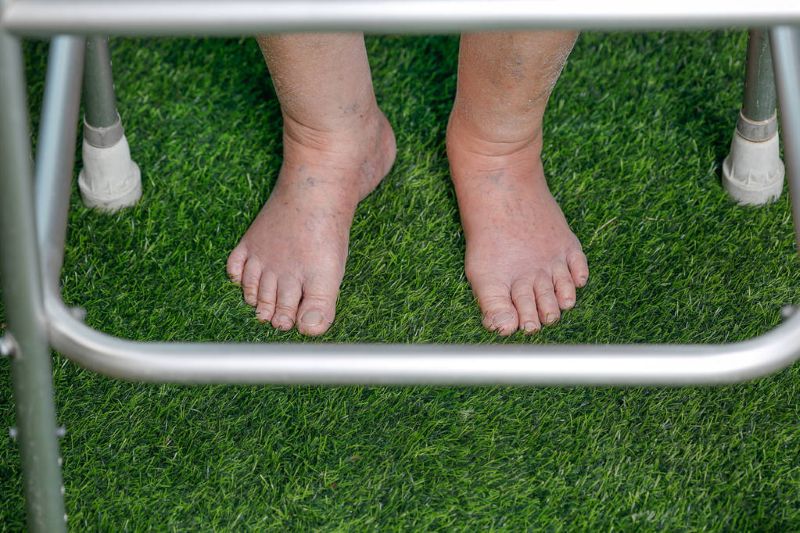
- Right-Sided Heart Failure: The right side of the heart is responsible for receiving blood from the body and pumping it to the lungs. When it fails, blood backs up in the veins. Gravity pulls this excess fluid downward, causing it to pool in the feet, ankles, and legs (peripheral edema). In more severe cases, it can also cause swelling in the abdomen, known as ascites.
- Left-Sided Heart Failure: The left side pumps oxygen-rich blood from the lungs out to the rest of the body. When it weakens, blood backs up in the vessels of the lungs. This causes fluid to leak into the lung tissue itself (pulmonary edema), leading to shortness of breath rather than visible swelling in the limbs. Often, a person with heart failure will experience symptoms from both sides as the condition progresses.
Compounding this mechanical issue is a complex and counterproductive biological response. When the weakened heart pumps less blood, the kidneys receive a reduced blood flow. The kidneys mistakenly interpret this as a sign of dehydration or low blood volume. In response, they trigger the release of hormones that instruct the body to hold onto more sodium and water in an attempt to “increase” the volume of blood.
This creates a dangerous vicious cycle. The body retains more fluid, which increases the total volume of blood the already-struggling heart has to pump. This extra workload further weakens the heart, which in turn leads to even more fluid retention. It’s a feedback loop that, if left unchecked, can cause the symptoms of heart failure to rapidly worsen.
Recognizing the Warning Signs: When Swelling is More Than Just Swelling
Not all swelling is a sign of heart trouble. So, how can you differentiate between benign fluid retention and something more concerning? The key is to look at the characteristics of the swelling and consider any other symptoms that are present.
The type of edema associated with heart failure is typically pitting edema. This means that if you press a finger firmly into the swollen area for a few seconds, an indentation or “pit” will remain on the skin after you remove your finger. This happens because the excess fluid in the tissue is displaced by the pressure.
Beyond the type of swelling, pay close attention to these accompanying warning signs:
- Sudden and Unexplained Weight Gain: Since a pint of water weighs about a pound, rapid weight gain (two to three pounds in 24 hours or more than five pounds in a week) is one of the earliest and most reliable indicators of fluid retention, often appearing before visible swelling.
- Shortness of Breath (Dyspnea): This is a hallmark symptom. You might feel breathless during activity, while at rest, or especially when lying flat in bed (a condition called orthopnea). Many people with heart failure have to prop themselves up with several pillows to sleep comfortably.
- Persistent Coughing or Wheezing: Fluid buildup in the lungs can cause a chronic cough, sometimes producing white or pink, blood-tinged phlegm.
- Extreme Fatigue and Weakness: When the heart can’t pump effectively, your muscles and organs don’t receive enough oxygen-rich blood, leading to a pervasive sense of tiredness that doesn’t improve with rest.
- Rapid or Irregular Heartbeat: The heart may beat faster to try to compensate for its weakened pumping ability, leading to palpitations or a racing sensation.
If you experience persistent pitting edema along with any of these other symptoms, it is essential to seek medical attention promptly.
Diagnosis, Management, and Living a Healthier Life

If your doctor suspects that your fluid retention is heart-related, they will conduct a thorough evaluation. This typically begins with a physical exam, where they will listen to your heart and lungs, check for swelling, and discuss your symptoms. Diagnostic tests are then used to confirm the diagnosis and assess the severity of the condition:
- Blood Tests: A test for a hormone called B-type natriuretic peptide (BNP) is particularly useful. The heart releases high levels of BNP when it is under stress, making it a key marker for heart failure.
- Echocardiogram: This ultrasound of the heart is the gold standard for diagnosis. It provides detailed images of your heart’s chambers, valves, and walls, allowing your doctor to see how well it’s pumping and measure its ejection fraction (the percentage of blood pumped out with each beat).
- Electrocardiogram (ECG or EKG): This test records the heart’s electrical activity and can identify rhythm problems or signs of past heart damage.
Once a diagnosis of heart failure is made, management focuses on two primary goals: relieving symptoms (like fluid retention) and addressing the underlying heart condition to prevent its progression.
Treatment is multi-faceted and often includes a combination of medications and lifestyle changes.
- Medications: Diuretics, often called “water pills,” are a cornerstone of treatment. They help the kidneys remove excess sodium and water from the body, which reduces swelling, lowers blood pressure, and eases the heart’s workload. Other medications like ACE inhibitors, beta-blockers, and newer classes of drugs work to relax blood vessels, slow the heart rate, and improve the heart’s pumping efficiency.
- Lifestyle Modifications: Patient participation is critical for successful management. Key changes include:
- Drastically Reducing Sodium Intake: Since sodium causes the body to retain water, a low-sodium diet is non-negotiable. This means avoiding processed foods, canned soups, and fast food, and not adding salt during cooking or at the table.
- Monitoring Daily Weight: Weighing yourself at the same time every morning is the best way to track fluid levels and catch retention early.
- Fluid Restriction: In some cases, your doctor may ask you to limit your daily intake of all fluids.
- Regular Physical Activity: Under a doctor’s guidance, tailored exercise can strengthen the heart and improve overall health.
In conclusion, while a little bit of swelling can be a normal part of life, persistent fluid retention should never be ignored. It is a visible sign that can point to a serious, invisible problem within your heart. By understanding the signs, recognizing the associated symptoms, and seeking timely medical care, you can turn this warning signal into an opportunity for proactive management, protecting your heart and preserving your quality of life.
 Carly
Carly  Jennifer Williams