

10 min read
1866 words
Do you find yourself gasping for air after climbing a single flight of stairs? Does carrying the laundry basket feel like you’ve just run a marathon? Or perhaps a simple task like vacuuming leaves you winded and needing to sit down? If “shortness of breath during everyday chores” has become an increasingly common phrase in your internal monologue, you’re not alone in experiencing this concerning symptom. However, it’s a signal from your body that should never be ignored.
While it’s normal to feel a little winded after intense physical exertion, struggling with routine daily activities like making the bed, gardening, or walking across the room is a different matter entirely. This feeling of inadequate breathing, medically known as dyspnea, when performing tasks that were once easy, can be unsettling. It often indicates an underlying health issue that warrants investigation.
In this comprehensive guide, we’ll delve into the various reasons why you might be experiencing breathlessness during simple activities, explore the associated symptoms to look out for, and crucially, discuss when it’s time to seek professional medical advice. Understanding these potential causes is the first step towards better respiratory health and a more comfortable life.
What Constitutes “Shortness of Breath During Everyday Chores”?
Before we dive into the causes, let’s clarify what we’re talking about. We’re not discussing the temporary huffing and puffing that comes from pushing your physical limits during a new workout routine. Instead, we’re focusing on:
- Breathlessness with minimal exertion: Tasks that previously caused no issue now leave you struggling to catch your breath.
- Difficulty completing routine tasks: You find yourself needing to rest frequently during chores like cleaning, cooking, or personal care.
- Lingering breathlessness: The feeling of being out of breath persists longer than expected after the activity.
- Worsening over time: Your capacity to perform daily tasks without breathlessness is progressively declining.
If these scenarios resonate with your experience, it’s time to consider the potential factors at play.
Common Causes of Being Out of Breath Doing Simple Tasks
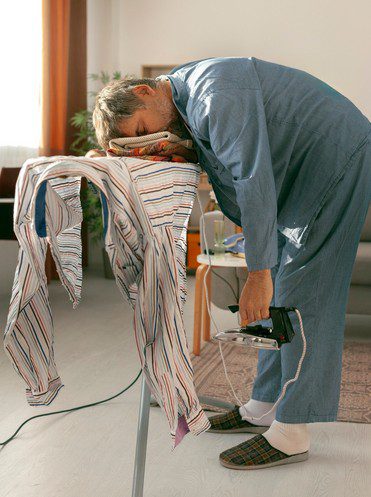
The sensation of being out of breath doing simple tasks can stem from a wide array of conditions, ranging from relatively minor to serious. Here are some of the most frequent culprits:
1. Cardiovascular Conditions
Your heart is a powerful pump, responsible for circulating oxygen-rich blood throughout your body. If it’s not working efficiently, your organs and tissues, including your muscles, won’t receive enough oxygen, leading to breathlessness even with light activity.
- Heart Failure (Congestive Heart Failure – CHF): This is a condition where the heart muscle doesn’t pump blood as well as it should. The heart struggles to keep up with the body’s demands, leading to a backup of fluid in the lungs (pulmonary edema) and other parts of the body.
- Associated Symptoms: Swelling in the legs, ankles, and feet (edema), persistent cough, fatigue, rapid or irregular heartbeat, weight gain from fluid retention, difficulty sleeping flat (orthopnea).
- Coronary Artery Disease (CAD): Narrowed or blocked arteries reduce blood flow to the heart muscle itself. While often associated with chest pain (angina), CAD can also manifest as shortness of breath, especially during physical exertion (even mild).
- Associated Symptoms: Chest pain or pressure, pain in the jaw, neck, back, or arms, fatigue, dizziness.
- Arrhythmias (Irregular Heartbeats): When the heart beats too fast, too slow, or irregularly, it can compromise its pumping efficiency, leading to dyspnea during daily activities.
- Associated Symptoms: Palpitations (feeling your heart race or flutter), dizziness, lightheadedness, fainting.
- Valvular Heart Disease: Problems with the heart valves can obstruct blood flow or cause blood to leak backward, forcing the heart to work harder.
- Associated Symptoms: Heart murmurs, chest pain, fatigue, swelling.
2. Pulmonary (Lung) Conditions
Your lungs are responsible for gas exchange – taking in oxygen and expelling carbon dioxide. Any condition that impairs this process can lead to shortness of breath during everyday chores.
- Asthma: A chronic inflammatory condition where airways narrow and swell and produce extra mucus, making breathing difficult. While often triggered by allergens or exercise, even mild asthma can cause breathlessness with simple tasks.
- Associated Symptoms: Wheezing, coughing (especially at night or early morning), chest tightness.
- Chronic Obstructive Pulmonary Disease (COPD): An umbrella term for progressive lung diseases like emphysema and chronic bronchitis. COPD causes airflow obstruction from inflamed and damaged airways and air sacs. It’s often linked to smoking.
- Associated Symptoms: Chronic cough, mucus production, wheezing, chest tightness.
- Pneumonia: An infection that inflames the air sacs in one or both lungs, which may fill with fluid or pus.
- Associated Symptoms: Cough with phlegm, fever, chills, chest pain.
- Interstitial Lung Disease (ILD): A group of disorders that cause progressive scarring of lung tissue, making the lungs stiff and difficult to expand.
- Associated Symptoms: Persistent dry cough, fatigue.
- Pulmonary Embolism (PE): A sudden, life-threatening blockage in an artery of the lung, usually by a blood clot that has traveled from a leg. This causes immediate and often severe shortness of breath.
- Associated Symptoms: Sudden onset of sharp chest pain (often worse with deep breaths), cough, rapid heart rate, dizziness. This is a medical emergency.
3. Anemia

Anemia is a condition in which your blood lacks enough healthy red blood cells to carry adequate oxygen to your body’s tissues. Red blood cells contain hemoglobin, which binds to oxygen. If you have fewer red blood cells or less hemoglobin, your body works harder to deliver oxygen, leading to dyspnea with minimal exertion.
- Associated Symptoms: Fatigue, weakness, pale or yellowish skin, irregular heartbeats, dizziness or lightheadedness, cold hands and feet, headaches.
4. Obesity and Poor Physical Conditioning
Being overweight or obese puts extra strain on your entire body, including your heart and lungs. It requires more effort to move your body, and the extra weight can restrict lung expansion. A sedentary lifestyle also means your cardiovascular system isn’t as efficient at delivering oxygen.
- Associated Symptoms: General fatigue, reduced stamina, joint pain, higher risk of other health conditions.
5. Anxiety and Panic Attacks
Anxiety and panic attacks can mimic physical illness, including causing intense feelings of shortness of breath. Hyperventilation, a common response to anxiety, involves rapid, shallow breathing that can disrupt the balance of oxygen and carbon dioxide in your blood, leading to breathlessness.
- Associated Symptoms: Rapid heart rate, sweating, trembling, dizziness, lightheadedness, chest pain or discomfort, a sense of impending doom, tingling or numbness in the hands/feet.
6. Other Less Common Causes
Several other conditions can contribute to feeling out of breath doing simple tasks:
- Thyroid Conditions: Both an overactive (hyperthyroidism) and underactive (hypothyroidism) thyroid can affect breathing and heart rate.
- Gastroesophageal Reflux Disease (GERD): Refluxed stomach acid can irritate the airways and sometimes trigger asthma-like symptoms or a chronic cough, which can lead to breathlessness.
- Deconditioning Post-Illness: After a severe illness, surgery, or prolonged bed rest, your body’s overall fitness can decline significantly, making even simple tasks feel strenuous.
- Environmental Factors: Exposure to allergens, pollutants, or extreme temperatures can exacerbate breathlessness in susceptible individuals.
When to See a Doctor for Shortness of Breath
While this blog post provides valuable information, it is not a substitute for professional medical advice. Shortness of breath that occurs during everyday chores is a symptom that should always be evaluated by a healthcare provider. Ignoring persistent or worsening dyspnea can have serious consequences.
Seek immediate medical attention (call emergency services or go to the nearest emergency room) if you experience:
- Sudden, severe shortness of breath.
- Sudden onset of shortness of breath accompanied by chest pain, pressure, or tightness.
- Shortness of breath accompanied by dizziness, lightheadedness, or fainting.
- Shortness of breath that wakes you up from sleep.
- Blue discoloration of your lips or fingertips (cyanosis).
- Rapid, shallow breathing with significant effort.
- New or worsening swelling in your legs, ankles, or feet along with breathlessness.
Schedule an appointment with your doctor if you experience:
- Shortness of breath that is gradually worsening over days or weeks.
- Breathlessness that occurs with less exertion than it used to.
- Persistent shortness of breath that doesn’t improve with rest.
- Shortness of breath accompanied by a chronic cough, wheezing, or fatigue.
- Any concerns about your breathing that are impacting your daily life.
What to Expect at the Doctor’s Office
When you consult your doctor about dyspnea during daily activities, they will likely perform a thorough evaluation. This typically includes:
- Medical History: They will ask detailed questions about your symptoms (when they started, what makes them better or worse, associated symptoms), your medical history, medications, lifestyle habits (smoking, exercise), and family medical history.
- Physical Examination: This will involve listening to your heart and lungs, checking your blood pressure, pulse, and oxygen saturation (using a pulse oximeter), and looking for signs like swelling, skin discoloration, or changes in breathing patterns.
- Diagnostic Tests: Depending on the initial findings, your doctor may order several tests to pinpoint the cause:
- Blood tests: To check for anemia, thyroid problems, inflammation, or markers of heart strain (like BNP).
- Electrocardiogram (ECG/EKG): To check the electrical activity of your heart and detect arrhythmias or signs of heart damage.
- Chest X-ray: To visualize your lungs and heart, looking for fluid in the lungs, pneumonia, or an enlarged heart.
- Pulmonary Function Tests (PFTs) / Spirometry: To measure how well your lungs are working and diagnose conditions like asthma or COPD.
- Echocardiogram: An ultrasound of the heart to assess its structure and function, especially valve function and pumping ability.
- Cardiac Stress Test: To see how your heart responds to exertion and detect underlying coronary artery disease.
- CT Scan or MRI: May be used for more detailed imaging of the lungs or heart.
Taking Action for Better Breathing Health
Once the underlying cause of your shortness of breath during everyday chores is identified, your doctor will recommend an appropriate treatment plan. This could involve medications, lifestyle adjustments, physical therapy, or in some cases, more specialized interventions.
Beyond specific treatments for diagnosed conditions, several general lifestyle strategies can support better respiratory and cardiovascular health:
- Regular Physical Activity: Gradual, consistent exercise can improve lung capacity and heart efficiency. Always consult your doctor before starting any new exercise regimen, especially if you have existing health conditions.
- Maintain a Healthy Weight: Losing excess weight significantly reduces the strain on your heart and lungs.
- Quit Smoking: If you smoke, quitting is the single most important step you can take for your lung and heart health.
- Eat a Balanced Diet: A diet rich in fruits, vegetables, and whole grains supports overall health.
- Manage Stress: Techniques like mindfulness, meditation, or yoga can help reduce anxiety-related breathlessness.
- Avoid Environmental Triggers: If you have allergies or lung conditions, minimize exposure to irritants like pollen, dust, and pollution.
Don’t Ignore the Signs
Experiencing shortness of breath during everyday chores is a clear indication that something in your body might not be functioning optimally. It’s a symptom that demands attention, not just to uncover potential underlying health issues but also to improve your quality of life. Don’t let breathlessness hold you back from enjoying the simple activities of daily living. By understanding the potential causes and knowing when to seek medical help, you can take proactive steps toward breathing easier and living healthier. Your body is telling you something important – listen to it.
All content on this platform is provided for educational purposes only and is not a substitute for medical advice, diagnosis, or treatment.
 Rose DesRochers
  Lynn Leblanc
  Kim Monroe