
9 min read
1724 words
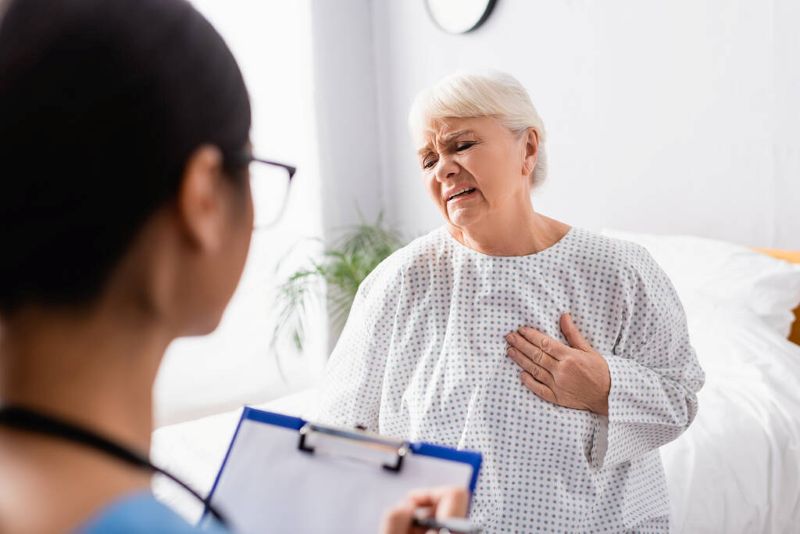
For decades, the image of a heart attack has been dominated by a singular, dramatic visual: a man clutching his chest, collapsing in agony. This powerful, yet often misleading, stereotype has inadvertently created a dangerous blind spot, particularly for women. The reality is that heart attacks in women frequently present differently, often subtly, making them easier to dismiss as less urgent issues. This critical misunderstanding can lead to delayed diagnosis and treatment, with potentially devastating consequences.
Heart disease remains the leading cause of death for women in the United States, surpassing all cancers combined. Yet, awareness of its unique presentation in women lags significantly. Many women, and even some healthcare providers, fail to recognize the tell-tale signs, attributing them to stress, indigestion, or aging. It’s time to shatter this myth and equip every woman with the knowledge to protect her most vital organ. Understanding the seven common, yet often overlooked, heart attack symptoms in women is not just important – it’s life-saving.
The Subtle Seven: Key Heart Attack Symptoms in Women
While a woman can experience the classic crushing chest pain, it is often not the primary or only symptom. Instead, her body may send more nuanced distress signals that demand attention.
1. Unrelenting and Unusual Fatigue: This isn’t just everyday tiredness. This is a profound, debilitating exhaustion that comes on suddenly and without explanation. Women often describe it as feeling like they’ve “run a marathon” without actually doing anything. They might struggle to perform routine tasks, like walking across a room or making a bed, without feeling utterly drained. This fatigue can precede a heart attack by days or even weeks and doesn’t improve with rest. It’s crucial to distinguish this from regular stress-induced tiredness; this feels deeper, more pervasive, and directly impacts daily function.
2. Disturbances in Sleep Patterns: Closely linked to unusual fatigue, many women report significant changes in their sleep patterns leading up to a heart attack. This could manifest as difficulty falling asleep, waking up frequently during the night, or experiencing restless sleep even when exhausted. These sleep disruptions are often accompanied by a sense of anxiety or unease that prevents restful slumber, further exacerbating the feeling of severe fatigue. It’s not just an occasional bad night; it’s a persistent problem that feels out of the ordinary for the individual.
3. Unexpected Shortness of Breath: Feeling winded is common after strenuous activity, but for women experiencing a heart attack, shortness of breath often occurs with minimal exertion or even at rest. It might feel like they can’t get enough air, or like they’re panting after mild activity (like walking up a single flight of stairs) that they would normally handle with ease. This symptom can occur with or without chest discomfort and may be accompanied by a feeling of lightheadedness or dizziness. It’s a clear signal that something is amiss with the body’s ability to oxygenate itself effectively.
4. Pain Beyond the Chest: Back, Jaw, Neck, Arms, Abdomen: While men classically feel pain in their left arm and chest, women often experience pain in more diffuse and confusing locations. This discomfort can radiate to the back (often the upper back), neck, jaw, or even both arms. The sensation might be described as aching, pressure, burning, or a dull squeeze, rather than sharp pain. Abdominal pain, often mistaken for indigestion, heartburn, or even the flu, can also be a significant indicator. This pain might not be constant but could come and go, making it easy to dismiss as a muscular strain or a minor ailment.
5. Digestive Distress: Nausea, Vomiting, and Indigestion: For many women, a heart attack can manifest with symptoms that mimic stomach problems. Nausea, vomiting, and a general feeling of indigestion are surprisingly common. This is particularly dangerous because these symptoms are so easily attributed to food poisoning, acid reflux, or a stomach bug. Unlike typical digestive upset, heart-related nausea and indigestion often don’t respond to usual remedies like antacids and might be accompanied by other, more subtle heart attack symptoms. The digestive system is closely linked to the vagus nerve, which also plays a role in cardiac function, explaining this unusual presentation.
6. General Malaise or “Flu-like” Feelings: A vague, overall feeling of being unwell, sometimes described as “just not feeling right,” can be a precursor to a heart attack in women. This can encompass a constellation of symptoms including lightheadedness, dizziness, cold sweats, or a general sense of unease or impending doom. It might feel similar to the onset of the flu, but without the typical respiratory symptoms like coughing or sneezing. This general feeling of malaise often prompts women to simply “lie down” or “wait it out,” delaying critical medical attention. It’s the body communicating a systemic distress that shouldn’t be ignored.
7. Atypical Chest Discomfort: While chest pain is less reliably the primary symptom in women, when it does occur, it may not be the classic “elephant on the chest” crushing sensation. Instead, women might describe it as pressure, squeezing, fullness, or aching in the chest area. This discomfort might not be in the center of the chest but could be felt anywhere in the chest, back, neck, or even arm. It could be mild and intermittent, but persistent. It’s important to note that this discomfort might fluctuate in intensity or come and go, making it less alarming than the stereotypical acute onset. However, any new, unexplained chest discomfort warrants immediate evaluation.
The Peril of Dismissal – Why Women Often Delay Seeking Help
The unique presentation of heart attack symptoms in women contributes significantly to a dangerous phenomenon: delayed response. There are several interconnected reasons why women often hesitate or fail to seek immediate medical attention:
Firstly, lack of awareness is paramount. Because the classic heart attack image is so pervasive, women often don’t recognize their own symptoms as cardiac-related. They might experience fatigue or indigestion and attribute it to their busy lives, stress, or even menopause, rather than a life-threatening event. This internal dismissal is a major barrier to seeking help.
Secondly, gender bias in medicine can play a subtle, yet significant, role. Studies have shown that women presenting with the same symptoms as men are sometimes less likely to be diagnosed with heart disease initially. Their symptoms might be misattributed to anxiety, psychological distress, or non-cardiac issues, leading to longer wait times in emergency rooms or misdirection in diagnosis. This is not always malicious, but often stems from ingrained stereotypes and a lack of consistent training on women-specific cardiac presentations.
Thirdly, the “caregiver complex” often leads women to put the needs of others before their own. Many women are primary caregivers for children, elderly parents, or partners. They may downplay their own discomfort, fearing being a burden, or feeling they simply “don’t have time” for an illness. This self-sacrifice can prove fatal when dealing with a time-sensitive emergency like a heart attack.
Finally, the intermittent and vague nature of women’s symptoms makes them easier to ignore or attribute to less serious conditions. If pain comes and goes, it’s easier to rationalize away than constant, severe distress. This ambiguity creates a window for rationalization and delay that can have dire consequences.
Beyond Symptoms – Empowering Proactive Heart Health for Women

Understanding the symptoms is the crucial first step, but true empowerment for women’s heart health extends to proactive prevention and self-advocacy.
Know Your Risk Factors: While some risk factors are shared with men (high blood pressure, high cholesterol, diabetes, obesity, smoking, physical inactivity), women have additional or different risk factors to consider. These include:
- Pregnancy complications: Preeclampsia, gestational diabetes, and preterm delivery significantly increase a woman’s risk of heart disease later in life.
- Autoimmune diseases: Conditions like lupus and rheumatoid arthritis can increase heart disease risk.
- Depression and stress: These are more prevalent in women and are independently linked to heart disease.
- Menopause: Estrogen decline after menopause impacts cholesterol levels, blood pressure, and vascular health.
Embrace a Heart-Healthy Lifestyle: This foundational advice is critical for everyone but particularly for women who face unique biological and social risk factors. This includes:
- Balanced diet: Focus on whole foods, fruits, vegetables, lean proteins, and healthy fats. Limit processed foods, sugar, and unhealthy fats.
- Regular physical activity: Aim for at least 150 minutes of moderate-intensity exercise or 75 minutes of vigorous activity per week.
- Stress management: Incorporate mindfulness, meditation, yoga, or hobbies to manage stress effectively.
- Adequate sleep: Prioritize 7-9 hours of quality sleep each night.
- Smoking cessation: If you smoke, quitting is the single most impactful step you can take for your heart.
Advocate for Yourself: Women must become their own fiercest advocates in healthcare settings. Don’t dismiss your symptoms. If something feels “off” or unusual for you, speak up.
- Communicate clearly: When discussing symptoms with your doctor, be specific about what you’re feeling, when it started, what makes it better or worse, and how it impacts your daily life.
- Ask questions: Don’t hesitate to ask your doctor if your symptoms could be heart-related, especially if you have risk factors.
- Seek a second opinion: If you feel your concerns are being dismissed, don’t hesitate to seek another medical opinion.
- Educate your loved ones: Ensure your family and friends are aware of your unique symptoms so they can act quickly if you are unable to.
When Every Second Counts: Taking Immediate Action
If you or a woman you know experiences any combination of these symptoms, especially if they are new, unexplained, or persistent, do not wait. Even if the symptoms are mild or come and go, they warrant immediate medical attention.
Call 911 immediately. Do not attempt to drive yourself to the hospital. Emergency responders can begin life-saving treatment on the way and are trained to handle cardiac emergencies. Every minute counts during a heart attack; prompt treatment can significantly reduce heart muscle damage and improve outcomes.
Conclusion: Your Heart, Your Voice
The landscape of heart attacks is evolving, and it’s imperative that our understanding evolves with it. For too long, women’s heart health has been obscured by a narrow definition of symptoms. By recognizing the subtle, often atypical, signs of a heart attack in women, we can empower ourselves and the women in our lives to seek timely care. Your body sends signals; learn to listen to them. Your heart deserves your attention, your advocacy, and ultimately, your informed protection. Breaking the silence around women’s heart attack symptoms is not just a medical imperative, it’s a societal one.
 Jennifer Williams
  Kim Monroe
  Hailey Reynolds