

6 min read
1071 words
Are you tired of that persistent nasal congestion, the dull ache in your face, and the feeling that you’re constantly battling a head cold? If these symptoms linger for weeks or months on end, you might be experiencing chronic sinusitis. It’s more than just a temporary inconvenience; it can significantly impact your quality of life.bThis blog post is designed to shed light on chronic sinusitis, helping you understand what it is, its common causes, and importantly, how it can be effectively managed. We’ll also touch on when it’s time to seek professional medical advice.
What Exactly is Chronic Sinusitis?
Sinusitis, often called a sinus infection, occurs when the air-filled cavities in your skull – your sinuses – become inflamed and blocked. When these symptoms persist for 12 weeks or longer, despite attempts at treatment, it’s classified as chronic sinusitis.
Think of your sinuses as tiny, mucus-lined spaces connected to your nasal passages. They help humidify the air you breathe and drain mucus. When inflamed, these passages can swell, blocking drainage and leading to a buildup of mucus. This creates a breeding ground for bacteria, viruses, or fungi, exacerbating the inflammation and symptoms.
The Stubborn Symptoms of Chronic Sinusitis
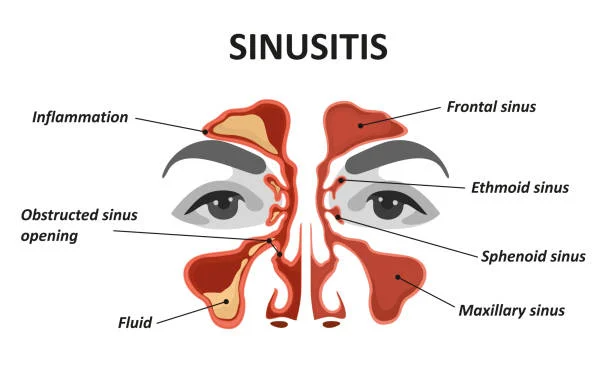
The hallmark of chronic sinusitis is its persistent nature. While acute sinusitis might resolve within a few weeks, chronic sinusitis can drag on, causing a range of uncomfortable symptoms, including:
- Facial pain and pressure: This is often felt around the eyes, cheeks, forehead, and the bridge of the nose. It can feel like a constant ache or throbbing sensation.
- Nasal congestion or blockage: You might feel like you can’t breathe through your nose, or that one or both nostrils are persistently stuffy.
- Thick, discolored nasal discharge: The mucus draining from your nose may be yellow, green, or even cloudy.
- Reduced sense of smell and taste: Inflammation and swelling in the nasal passages can interfere with your ability to smell and taste properly.
- Postnasal drip: Excess mucus can drip down the back of your throat, leading to a sore throat, cough, and the need to clear your throat frequently.
- Headaches: Sinus pain can often manifest as headaches, particularly in the frontal region.
- Fatigue: The constant struggle with inflammation and discomfort can leave you feeling drained and tired.
- Bad breath (halitosis): The stagnant mucus can contribute to unpleasant breath.
- Ear pressure or fullness: The Eustachian tubes, which connect the middle ear to the back of the throat, can be affected by sinus inflammation.
Uncovering the Underlying Causes
Chronic sinusitis isn’t a single disease but rather a condition with various contributing factors. Identifying the root cause is crucial for effective management. Common culprits include:
- Nasal Polyps: These soft, non-cancerous growths in the nasal lining can block sinus passages and contribute to inflammation.
- Deviated Septum: The wall of cartilage between your nostrils (septum) may be crooked, obstructing airflow and drainage.
- Respiratory Infections: Though acute sinusitis usually resolves, sometimes lingering inflammation from viral or bacterial infections can contribute to the chronic form.
- Allergies: Allergic rhinitis (hay fever) can cause chronic inflammation of the nasal passages and sinuses.
- Environmental Irritants: Exposure to smoke, pollution, dust, and other airborne irritants can inflame sinus tissues.
- Immune System Deficiencies: Conditions that weaken the immune system can make individuals more susceptible to sinus infections.
- Other Medical Conditions: Asthma and cystic fibrosis are conditions that can be associated with chronic sinusitis.
Navigating Diagnosis and Treatment
If you suspect you have chronic sinusitis, the first step is to consult a healthcare professional. They will typically:
- Review your medical history and symptoms: Discuss the duration and nature of your complaints.
- Perform a physical examination: This may include looking inside your nasal passages with a light or a small scope (nasal endoscopy).
- Recommend further diagnostic tests: This could include:
- Nasal endoscopy: A thin, flexible tube with a light and camera to visualize the inside of your nose and sinuses.
- CT scan or MRI: These imaging techniques provide detailed images of your sinuses to identify blockages, inflammation, and polyps.
- Allergy testing: To determine if allergies are a contributing factor.
- Mucus cultures: To identify any bacterial or fungal infections.
Once diagnosed, treatment will be tailored to your specific needs and the underlying causes. Common treatment approaches include:
- Nasal Corticosteroids: These sprays are often the first line of treatment, helping to reduce inflammation in the nasal passages and sinuses.
- Saline Nasal Rinses: Using a neti pot or saline spray can help flush out mucus and irritants.
- Oral Corticosteroids: In more severe cases, a short course of oral steroids may be prescribed to reduce inflammation.
- Antibiotics: If a bacterial infection is identified, a course of antibiotics may be necessary. However, antibiotics are not effective for viral infections and are generally used cautiously in chronic sinusitis.
- Antifungal Medications: For fungal sinusitis, antifungal treatments may be required.
- Allergy Treatments: Antihistamines, decongestants, and allergy shots can be beneficial if allergies are a trigger.
- Surgical Intervention: For some individuals, especially those with structural issues like nasal polyps or a deviated septum that don’t respond to medical treatment, surgery may be an option. Procedures like Functional Endoscopic Sinus Surgery (FESS) aim to open blocked sinus pathways.
Taking Control of Your Chronic Sinusitis
Living with chronic sinusitis can feel overwhelming, but there are proactive steps you can take to manage your symptoms and improve your well-being:
- Follow your doctor’s treatment plan diligently: Consistency is key when it comes to managing chronic conditions.
- Hydrate: Drinking plenty of water helps to thin mucus, making it easier to drain.
- Use a humidifier: Especially in dry environments, a humidifier can help keep your nasal passages moist.
- Avoid triggers: Identify and minimize exposure to irritants like smoke, strong perfumes, and allergens.
- Practice good nasal hygiene: Regular saline rinses can be very beneficial.
- Manage underlying conditions: If you have allergies, asthma, or other related conditions, ensure they are well-controlled.
- Listen to your body: Pay attention to what makes your symptoms worse and adjust accordingly.
When to Seek Medical Help
Don’t let chronic sinusitis diminish your quality of life. If you’re experiencing persistent symptoms described above, or if your current treatment isn’t providing relief, it’s essential to seek professional medical advice. Early diagnosis and a comprehensive treatment plan can make a significant difference in managing this condition effectively.
Remember, this blog post is for informational purposes only and does not constitute medical advice. Always consult with a qualified healthcare provider for any health concerns or before making any decisions related to your health or treatment.
 Kim Monroe
  Hailey Reynolds