
4 min read
739 words
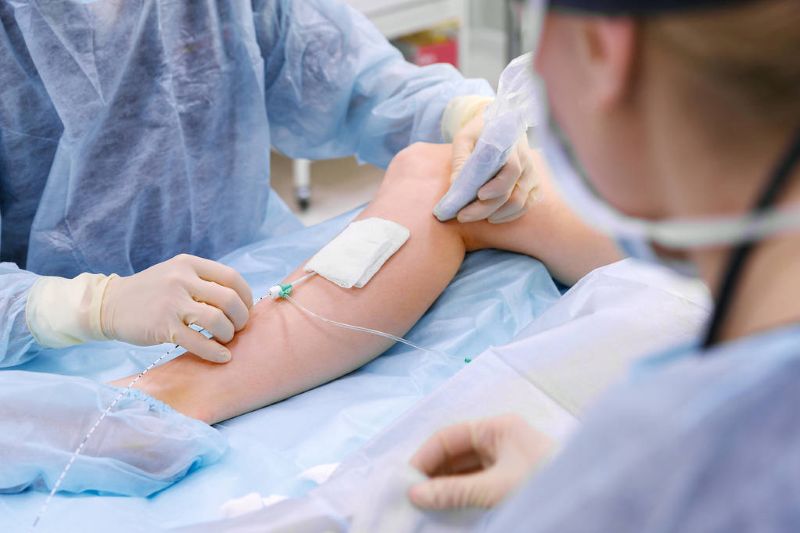
Vein treatment is performed in a safe, effective, and much less invasive way compared to before. Regardless of whether one is subjected to sclerotherapy, laser therapy, or some other minimally invasive modality, healing is a crucial factor in helping to ensure an optimal outcome. It is not all a matter of waiting, but there are processes to undertake in the healing process that undercover circulation, relieves pain, and helps th ebody adapt. Recovery can be empowering, smooth, and steady with the right approach.
Make Movement a Priority
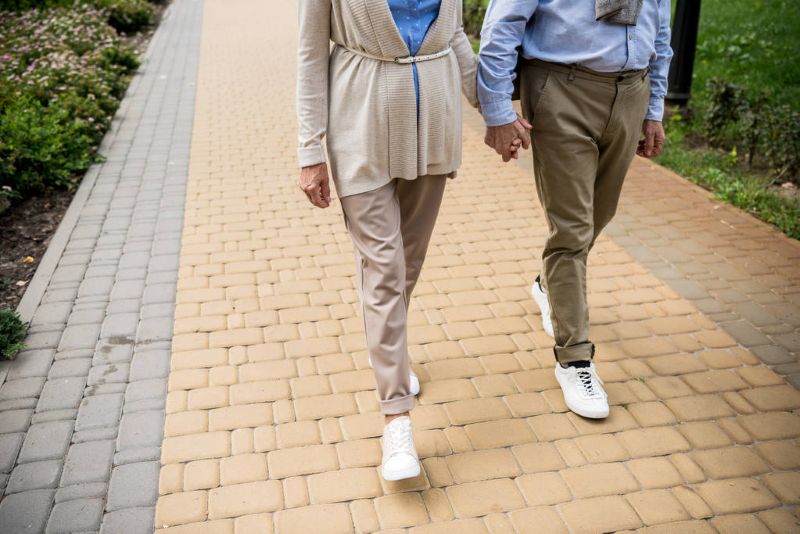
Staying mobile is among the biggest recommendations after vein treatment. It is so easy to sink into sleep; however, it is more prudent to exercise and get the blood flowing. Exercise, such as walking about houses or neighbourhoods, helps increase blood flow and decrease blood clotting, among other things. In the meantime, discretion is significant. Violent exercises, heavy lifting, or running should not characterize the early few days. Rather, imagine recovery as a period of gentle, moderate movement. Even a few walks a day, several times, can have a significant impact on comfort and faster recovery.
Support Healing
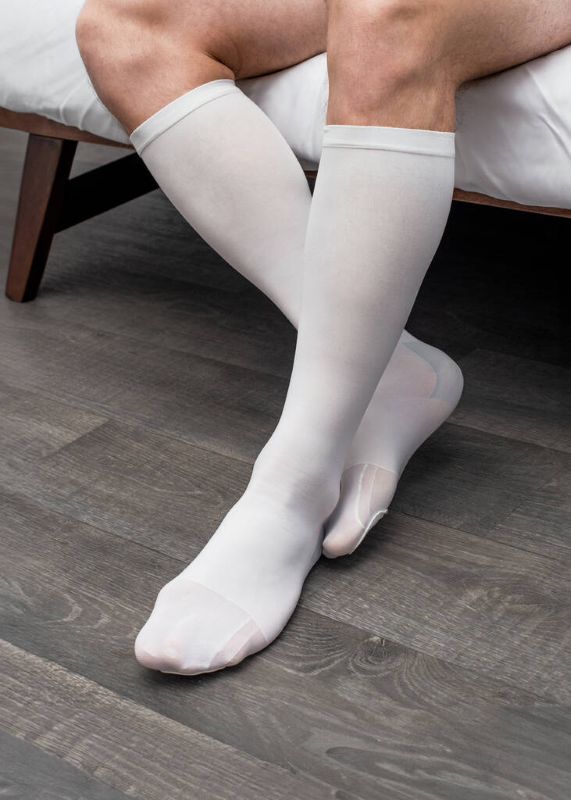
Post-venous treatment compression stockings are actually warranted. They exert regular low pressure that aids blood flow in the veins more effectively. This helps lower the swelling, limits bruising, and may make the initial weeks of healing more comfortable. It is also important to wear them as instructed, although it may be inconvenient in the beginning. Patients are sometimes recommended to keep them all day and only take them off at night, as some might require extended use depending on the surgery done. Consider compression as a facilitating mechanism in supporting the treated veins to close adequately and promoting a more efficient functioning of the surrounding veins.
Manage Discomfort with Care
Vein procedures are associated with mild soreness, tightness, and bruising. These are generally temporary side effects, and they go away in a few days to weeks. Sometimes all that it takes is simple, although over-the-counter pain relievers can also be used upon the recommendation of a healthcare provider. Heat compresses, propping the legs when lying down, and using compression stockings may greatly relieve pain. Hot baths, saunas, or spending excessive time in sunlight on the treated parts should also be avoided, because heat may also cause swelling and delay the healing process. With some minor measures, the pain can be kept at a level that the whole healing process can be done with less difficulty.
Follow-Up Care
The healing process does not cease once initial treatment has been accomplished. Follow-up appointments are a component of the process. In these visits, the provider observes to confirm that the treated veins are reacting as desired and that they have not developed new concerns. Missed appointments sometimes might not seem serious, although these visits can unveil information that patients are not aware of themselves. Additional treatment or adjustments are suggested for others to achieve the best results. If you reside in the area, clinics that focus on specific procedures, such as those of the interventional radiology in Memphis , point out this continuity of care and how follow-up is a direct key to long-term success.
Learning to Recover Healthy.
Lifestyle during recovery does successfully make a difference in the body’s response. You want to be hydrated and keep the circulation flowing, and a healthy, well-balanced diet is part of the problem of repairing the tissues. Healing can also be encouraged by avoiding smoking and having minimum alcohol consumption since they both may lead to problems with vascular status. Gradual stretching exercises, such as yoga, can be administered once the initial repairs have been made, which may also help provide a bit of circulation and pain relief. These are not some radical changes; these are merely the habits that can be sustained and which support the medical treatment and allow the body to recover itself.
Conclusion
The vein treatment procedure would not be that complicated to recover from, but it would need some attention and care. Exercise, pressure ulcer prevention, pain management, follow-ups, and healthy living capabilities all combine to create the bottom line of viable recovery. Every little action taken in the recovery is supplementing the effort made in the process and will lead to permanent outcomes. After careful guidance and a consistent schedule, recovery is not as restrictive but more of a progress- getting people back to real life with greater comfort, confidence, and flow.
 Carly
Carly  Jennifer Williams