
11 min read
2083 words
For years, we’ve understood that a traumatic brain injury (TBI) can have immediate and devastating consequences, from cognitive impairments to physical disabilities. However, the long-term ripple effects, particularly concerning neurodegenerative diseases, have been an area of intense research and growing concern. A new study, recently published in the prestigious Canadian Medical Association Journal (CMAJ), has now cast a stark and significant light on this connection, revealing a clear and quantifiable link between TBIs and an increased risk of developing dementia. This groundbreaking research underscores a critical public health message: the impact of a head injury can extend far beyond its initial recovery period, potentially accelerating the onset of one of the most feared cognitive declines of our time. The findings are particularly compelling, indicating that TBIs significantly elevate dementia risk, with the highest vulnerability observed in the crucial first five years following the injury. And the most common cause? Something as seemingly innocuous as a fall.
This revelation isn’t just a scientific curiosity; it’s a call to action for individuals, caregivers, healthcare professionals, and policymakers alike. Understanding this link is the first step towards better prevention, improved post-injury care, and ultimately, safeguarding cognitive health for millions.
Unpacking the Research: TBI and the Elevated Dementia Risk
The study published in the CMAJ presents a robust body of evidence, meticulously analyzing the relationship between traumatic brain injuries and the subsequent development of dementia. Researchers embarked on an extensive investigation, examining a large cohort of individuals over time to identify patterns and correlations that paint a clear picture of this serious health risk.
What they found is profoundly concerning: a TBI, regardless of its severity, acts as a significant accelerator for dementia. Specifically, the study revealed that individuals who have experienced a TBI face an increased dementia risk by up to a staggering 69% within the first five years following their injury. This period immediately after the trauma appears to be a critical window of vulnerability, suggesting that the initial physiological cascade triggered by the injury may set in motion processes that predispose the brain to future neurodegeneration.
While the study didn’t differentiate between mild, moderate, or severe TBIs in its primary finding regarding the 69% increase, the overall message is clear: any form of head trauma has the potential for long-term consequences that extend to cognitive health. This broad inclusion is crucial because it means that even injuries often dismissed as “just a bump on the head” or a “mild concussion” warrant serious attention and potential long-term monitoring.
A particularly striking aspect of the study’s findings is the identification of falls as the most common cause of TBIs linked to this increased dementia risk. This highlights a pervasive and often underestimated danger, especially among certain demographics. While sports injuries, motor vehicle accidents, and assaults are commonly associated with TBIs, the sheer frequency and widespread nature of falls make them a significant public health concern in the context of dementia prevention. This finding redirects our focus, urging us to consider fall prevention not just for bone health or immediate injury avoidance, but as a critical strategy in the fight against cognitive decline.
The implications of this research are far-reaching. For individuals, it reinforces the importance of taking any head injury seriously and seeking appropriate medical attention. For the medical community, it emphasizes the need for comprehensive post-TBI follow-up, not just for immediate recovery but for long-term neurological monitoring. And for public health initiatives, it provides compelling data to support enhanced prevention strategies, particularly those targeting falls across all age groups.
The Biological Bridge: How TBIs May Lead to Dementia
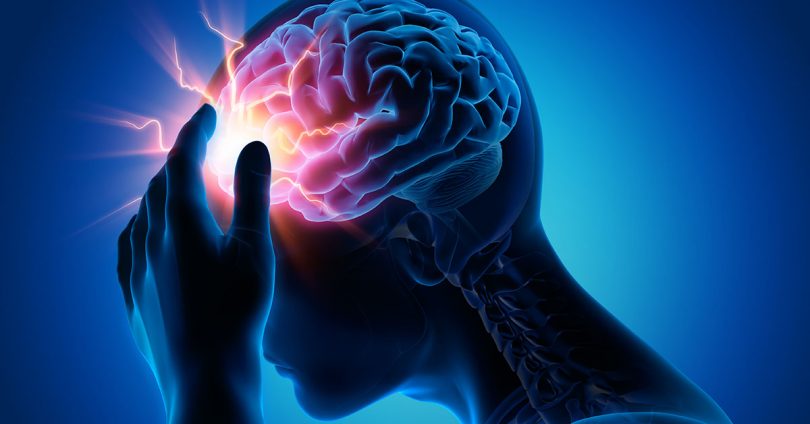
While the CMAJ study focused on establishing the statistical link, a growing body of research is also revealing the complex biological mechanisms through which a TBI might pave the way for dementia. Understanding these pathways helps us appreciate the severity of head trauma beyond its visible symptoms.
One key mechanism involves neuroinflammation. When the brain is injured, it launches an immune response to clear damaged cells and initiate repair. However, in some cases, this inflammatory response can become chronic and dysregulated, leading to persistent low-grade inflammation that damages healthy brain cells and contributes to neurodegeneration. This chronic inflammation can exacerbate the accumulation of harmful proteins associated with dementia.
Another significant factor is axonal damage. TBIs often involve rapid acceleration and deceleration forces, which can cause the delicate axons (the long projections that transmit signals between neurons) to stretch and tear. This “diffuse axonal injury” disrupts communication networks within the brain. While the brain attempts to repair this damage, the process can be incomplete or lead to lasting structural and functional alterations.
Perhaps most critically, TBIs are increasingly linked to the acceleration of Alzheimer’s disease pathology. Studies have shown that a single moderate-to-severe TBI, and even repeated mild TBIs, can trigger the abnormal accumulation of two hallmark proteins associated with Alzheimer’s: beta-amyloid plaques and tau tangles. The injury can disrupt the brain’s ability to clear these proteins, leading to their buildup and subsequent neurotoxic effects, essentially fast-forwarding the disease process.
Furthermore, TBIs can cause vascular damage within the brain, affecting the integrity of blood vessels and potentially leading to impaired blood flow and oxygen supply to brain tissue. This can weaken the blood-brain barrier, making the brain more vulnerable to harmful substances and inflammatory agents. Over time, this vascular compromise can contribute to vascular dementia components or exacerbate other forms of neurodegeneration.
These intricate biological processes highlight that a TBI is not merely a transient event but can ignite a complex cascade of cellular and molecular changes that significantly alter the brain’s long-term health trajectory, increasing its susceptibility to diseases like dementia.
Falls: The Silent Culprit and Your Role in Prevention
The CMAJ study’s emphasis on falls as the most common cause of TBIs leading to increased dementia risk is a revelation that demands immediate attention. While we often associate significant head trauma with high-impact sports or devastating accidents, the reality is that a simple fall can have profound, long-lasting consequences, particularly for our cognitive future. This makes fall prevention a powerful, yet often overlooked, strategy in the broader fight against dementia.
Who is Most at Risk from Falls?

While falls can happen to anyone, certain demographics are at a significantly higher risk:
- Older Adults: This group is particularly vulnerable due to a combination of factors including age-related decline in balance, muscle strength, and reflexes; vision and hearing impairments; chronic health conditions like arthritis or Parkinson’s disease; and polypharmacy (taking multiple medications) which can cause dizziness, drowsiness, or impaired coordination. Home hazards such as loose rugs, poor lighting, and clutter also contribute significantly.
- Young Children: Falls are a leading cause of injury in children, often occurring during play, learning to walk, or from heights like changing tables or stairs. While their brains are more resilient, repeated head injuries or even a single severe one can have long-term implications.
- Individuals with Certain Medical Conditions: Conditions affecting balance, gait, vision, or cognitive function (e.g., stroke survivors, individuals with multiple sclerosis, or those with early-stage dementia) are at increased risk of falling.
- Occupational Hazards: Workers in certain professions (e.g., construction, healthcare, emergency services) face elevated risks of falls from heights or on slippery surfaces.
The challenge with falls is that they are often dismissed or underreported. An older adult might brush off a fall, attributing it to clumsiness, without realizing the potential for a concussion or mild TBI, which now we know, contributes to long-term dementia risk.
Proactive Strategies for Fall Prevention
Given the direct link to dementia, fall prevention is no longer just about avoiding broken bones; it’s about protecting our brain health. Here’s how you can play an active role:
For Older Adults and Their Caregivers:
- Home Safety Assessment: Regularly review the home environment for fall hazards. This includes removing loose rugs, ensuring adequate lighting (especially in stairwells and bathrooms), installing grab bars in bathrooms, and securing electrical cords. Keep frequently used items within easy reach to avoid stretching or climbing.
- Regular Exercise: Engage in exercises that improve balance, strength, and flexibility. Tai Chi, yoga, and walking programs are excellent options. Consult with a doctor or physical therapist for a personalized exercise plan.
- Medication Review: Discuss all medications with a doctor or pharmacist. Some drugs, or combinations of drugs, can cause dizziness, drowsiness, or affect balance.
- Vision and Hearing Checks: Schedule regular eye exams and update prescriptions as needed. Untreated vision or hearing loss can significantly increase fall risk.
- Appropriate Footwear: Wear sturdy, non-skid shoes that provide good support. Avoid walking in socks on slippery floors or wearing loose-fitting slippers.
- Assistive Devices: If recommended by a healthcare professional, use canes or walkers correctly to aid in mobility and stability.
For Children and General Population:
- Supervision: Closely supervise young children, especially around stairs, playgrounds, and bodies of water. Use safety gates and window guards.
- Protective Gear: Encourage the use of helmets during activities that carry a risk of head injury, such as cycling, skateboarding, skiing, or contact sports.
- Awareness of Surroundings: Be mindful of uneven surfaces, wet floors, and obstacles in public spaces.
- Maintain Physical Fitness: A strong core and good balance can reduce the likelihood and severity of falls at any age.
By adopting these preventative measures, we can significantly reduce the incidence of TBIs from falls, thereby lowering the associated long-term risk of developing dementia. This proactive approach empowers individuals to take control of a critical aspect of their cognitive health.
Broader Implications and Your Call to Action
The CMAJ study is not just another piece of academic research; it’s a pivotal finding that demands a shift in how we perceive and manage head injuries. It elevates the discussion from immediate recovery to a long-term strategy for cognitive preservation.
For Public Health: This research mandates renewed efforts in public health campaigns focusing on TBI prevention, particularly fall prevention. Educational initiatives should highlight the profound long-term cognitive risks associated with head injuries, moving beyond the immediate physical dangers.
For Healthcare Professionals: The study underscores the critical importance of thorough assessment and appropriate follow-up for all TBI patients, including those with seemingly “mild” injuries. Healthcare providers should counsel patients and their families about the increased dementia risk and discuss strategies for monitoring cognitive changes over time. Post-TBI rehabilitation should encompass not just physical and cognitive recovery, but also education on brain-healthy lifestyle choices that might mitigate long-term risks.
For Individuals and Families:
- Take Head Injuries Seriously: Never dismiss a head injury as minor. If you or someone you know sustains a blow to the head, seek medical attention. A healthcare professional can assess the injury and advise on the best course of action. Symptoms like confusion, headaches, dizziness, or changes in behavior post-injury should always prompt a medical evaluation.
- Prioritize Prevention: As highlighted, preventing falls is a crucial step. Beyond falls, wear helmets during sports and recreational activities, use seatbelts, and practice general safety measures to minimize the risk of head trauma.
- Adopt a Brain-Healthy Lifestyle: While no single lifestyle choice can guarantee immunity from dementia, a combination of factors can support overall brain health. This includes a balanced diet rich in fruits, vegetables, and omega-3 fatty acids; regular physical activity; adequate sleep; social engagement; and intellectually stimulating activities. These habits may help build cognitive reserve and provide resilience against neurodegenerative processes.
- Be Vigilant for Changes: If you or a loved one has experienced a TBI, be aware of any subtle or gradual changes in memory, thinking, or behavior in the years following the injury. Early detection of cognitive decline can open doors to potential interventions and support.
Conclusion
The new study in the Canadian Medical Association Journal delivers a compelling and urgent message: traumatic brain injuries, particularly those arising from common falls, are not just immediate health concerns but significant risk factors that can accelerate the onset of dementia by up to 69% in the crucial first five years. This quantifiable link transforms our understanding of head trauma, moving it from an isolated event to a potential harbinger of future cognitive decline.
This groundbreaking research is a powerful reminder of the intricate fragility of the human brain and the profound importance of protecting it. It empowers us with knowledge – knowledge that can drive better prevention strategies, inform improved post-injury care, and ultimately, safeguard our most precious asset: our cognitive health. By taking head injuries seriously, prioritizing safety, and actively working to prevent falls, we can take meaningful steps towards a future with fewer TBIs and, hopefully, a reduced burden of dementia. Your brain is worth protecting, every single day.
 Jennifer Williams
  Kim Monroe
  Hailey Reynolds