

4 min read
771 words
Living with Irritable Bowel Syndrome (IBS) can feel isolating and overwhelming. The unpredictable symptoms, the constant worry about food, and the impact on your daily life can leave you feeling frustrated and powerless. But you are not alone, and there is a clear path forward. This guide is designed to empower you with the knowledge and strategies to navigate your IBS, manage your symptoms, and reclaim your quality of life.
Step 1: Understand Your Unique Experience
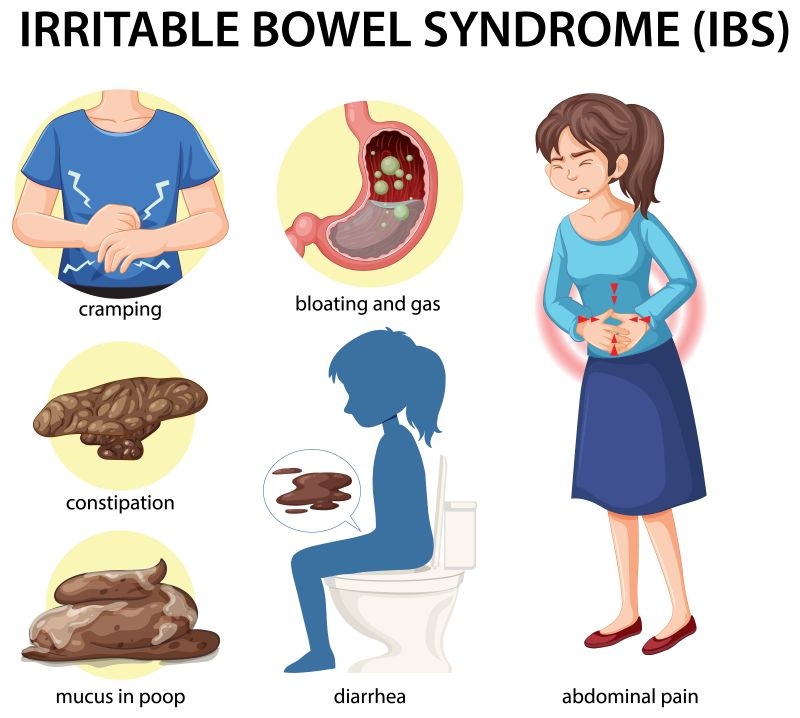
IBS isn’t a one-size-fits-all condition. It’s a complex disorder of the gut-brain interaction, and its symptoms—cramping, bloating, gas, diarrhea, and constipation—can vary dramatically from person to person. The first and most crucial step in managing IBS is to become a detective of your own body.
Start a Symptom & Trigger Journal
Knowledge is power. For 2-4 weeks, diligently track your daily experience. This data will be invaluable for you and your healthcare provider to identify patterns.
- What You Eat & Drink: Note every meal, snack, and beverage.
- Your Symptoms: What did you feel? Rate the severity (e.g., on a scale of 1-10). Note the time of day.
- Stress & Mood: Record your stress levels, anxiety, and general mood.
- Sleep Quality: How many hours did you sleep, and how rested do you feel?
- Physical Activity: Note any exercise or significant physical exertion.
- For women: Track your menstrual cycle, as hormones can significantly influence symptoms.
Step 2: Build Your Personalized Management Toolkit
Once you begin to see patterns, you can start building a toolkit of strategies. Think of these as different levers you can pull to find balance and reduce flare-ups.
Dietary Strategies: Finding Your “Safe” Foods
Diet is a cornerstone of IBS management for many. The goal is not restriction, but identification.
- The Low FODMAP Diet: Often recommended by doctors and dietitians, this is a temporary elimination diet designed to identify trigger foods. It involves removing high FODMAP (fermentable carbohydrates) foods and then systematically reintroducing them to see which ones cause symptoms. Important: This should be done under the guidance of a registered dietitian to ensure proper nutrition.
- Fiber Intake: The type of fiber matters. Soluble fiber (oats, psyllium husk, carrots) can help with both diarrhea and constipation. Insoluble fiber (whole grains, nuts) can sometimes worsen symptoms for sensitive individuals.
- Meal Habits: Try eating smaller, more frequent meals. Avoid rushing and chew your food thoroughly to aid digestion.
- Hydration: Drink plenty of water throughout the day, especially if you suffer from constipation or diarrhea.
Stress Management: Calming the Gut-Brain Axis
The connection between your brain and your gut is incredibly strong. Stress and anxiety are major triggers for IBS flare-ups.
- Mindfulness & Meditation: Apps like Calm or Headspace can teach you breathing exercises and mindfulness techniques to reduce daily stress.
- Gentle Exercise: Activities like yoga, tai chi, and walking can reduce stress and promote healthy gut motility. High-intensity exercise can sometimes be a trigger, so listen to your body.
- Cognitive Behavioral Therapy (CBT): This form of therapy has been proven effective in helping people manage the psychological impact of IBS and reduce symptom severity.
Step 3: Assemble Your Healthcare Team
You do not have to navigate this journey alone. A professional team can provide diagnosis, guidance, and support.
- Gastroenterologist: A specialist who can provide a formal diagnosis, rule out other conditions, and discuss medical treatment options if necessary.
- Registered Dietitian: A nutrition expert who can guide you through dietary changes like the Low FODMAP diet safely and effectively, preventing nutritional deficiencies.
- Therapist or Counselor: A mental health professional can provide invaluable support for managing the anxiety and stress that often accompany a chronic condition like IBS.
Pro-Tip: Bring your symptom journal to every appointment. This concrete data helps your healthcare provider give you the most personalized and effective advice.
You Are in Control: Cultivating Patience and Self-Compassion
Managing IBS is a marathon, not a sprint. There will be good days and bad days. The goal is not a perfect cure, but consistent progress and a better quality of life.
- Celebrate Small Wins: Did you identify a new trigger food? Did you have a symptom-free day? Acknowledge your progress.
- Be Kind to Yourself During Flare-ups: A flare-up is not a failure. It’s a learning opportunity. Rest, revert to your “safe” foods, and focus on stress reduction.
- Find Your Community: Connecting with others who understand what you’re going through can be incredibly validating. Look for reputable online support groups.
Living with IBS is a challenge, but by understanding your body, building a personalized toolkit, and working with a supportive team, you can move from feeling controlled by your symptoms to being confidently in charge of your health.
 Hailey Reynolds