
6 min read
1033 words
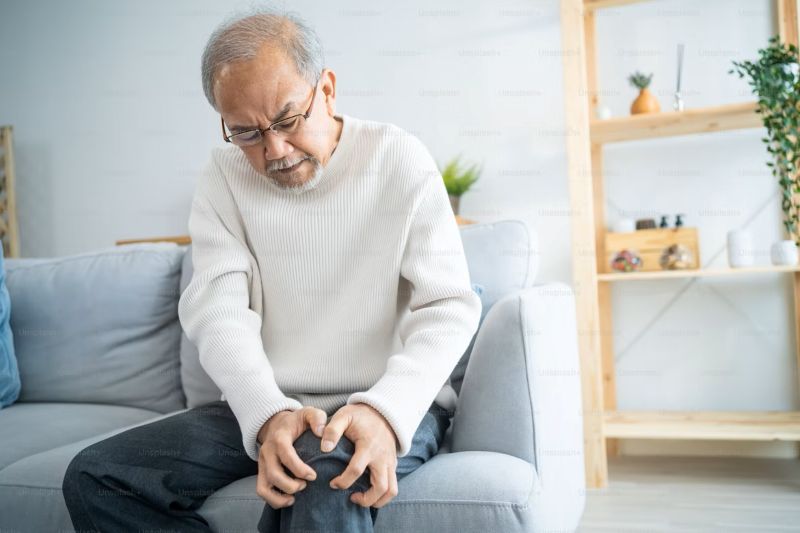
As we age, our bodies undergo natural changes, and for many older adults, persistent knee pain becomes an unwelcome companion. While various factors can contribute to discomfort in the knees, one of the most prevalent and impactful conditions is osteoarthritis (OA). Often referred to as “wear-and-tear arthritis,” osteoarthritis specifically targets the joints, and its prevalence significantly increases with age, making it a leading cause of disability among the elderly. Understanding this condition, its symptoms, and available management strategies is crucial for maintaining mobility and quality of life in later years.
Understanding Osteoarthritis and Its Impact on Knees
Osteoarthritis is a chronic, progressive joint disease characterized by the breakdown of cartilage—the smooth, slippery tissue that covers the ends of bones and allows them to glide effortlessly against each other. In the knee, this cartilage acts as a shock absorber. When it deteriorates, the bones begin to rub directly against one another, leading to pain, swelling, and reduced range of motion.
The process of OA is multifaceted. Beyond cartilage erosion, the body may try to repair the damage by growing new bone, forming bone spurs (osteophytes) around the joint. The joint lining (synovium) can also become inflamed, contributing to pain and swelling. While aging is the primary risk factor, other elements can accelerate its development or increase its severity. These include genetics, obesity (which places increased stress on weight-bearing joints like the knees), previous knee injuries (such as fractures, ligament tears, or meniscal damage), repetitive stress from certain occupations or sports, and even metabolic disorders. The cumulative effect of these factors over decades often culminates in symptomatic knee OA in older adulthood.
Symptoms, Diagnosis, and Risk Factors of Knee OA
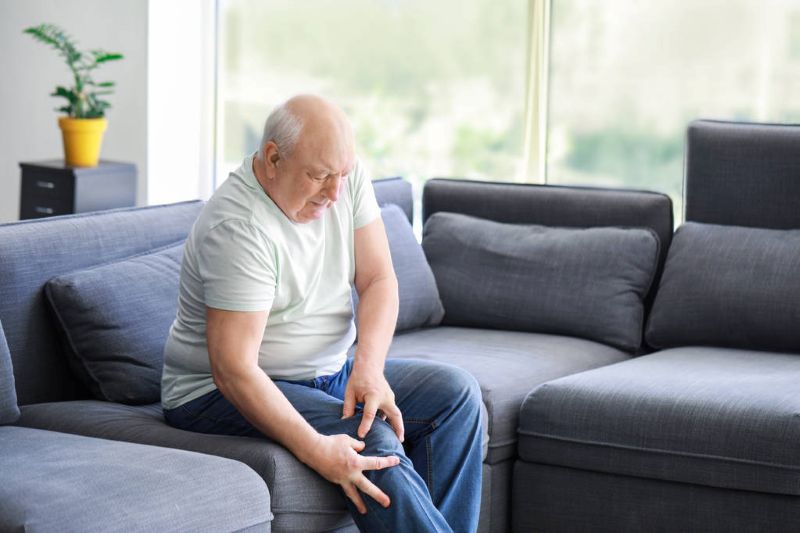
Recognizing the symptoms of knee osteoarthritis is the first step towards effective management. The most common symptom is pain, which typically worsens with activity and improves with rest. This pain can be a dull ache or a sharp, throbbing sensation. Stiffness, especially after periods of inactivity, such as first thing in the morning or after sitting for a long time, is also characteristic. This “gelling” phenomenon usually eases within 30 minutes of movement.
Other signs include swelling around the knee, a grating or crackling sensation (crepitus) when moving the joint, reduced flexibility, and sometimes a feeling of the knee “giving way” or buckling. The severity of these symptoms can fluctuate, with good days and bad days, often influenced by activity levels, weather changes, and general health.
Diagnosing knee OA usually involves a comprehensive approach. A healthcare professional will take a detailed medical history, inquiring about symptoms, past injuries, and family history. A physical examination will assess range of motion, tenderness, swelling, and any creaking sounds. X-rays are a cornerstone of diagnosis, as they can reveal joint space narrowing (indicating cartilage loss), bone spurs, and changes in the bone structure. While X-rays show bone changes, they don’t show cartilage directly; however, the space between bones on the X-ray indicates the amount of cartilage remaining. In some cases, an MRI might be used to provide more detailed images of soft tissues, though it’s not always necessary for routine OA diagnosis. Blood tests may also be performed to rule out other forms of arthritis, such as rheumatoid arthritis.
Comprehensive Management and Treatment Strategies
While there is currently no cure for osteoarthritis, a wide range of treatment and management strategies can effectively alleviate pain, improve function, and slow the progression of the disease. The approach is typically multi-pronged, often beginning with conservative measures.
Conservative Treatments:
- Medications: Over-the-counter pain relievers like acetaminophen (Tylenol) and non-steroidal anti-inflammatory drugs (NSAIDs) such as ibuprofen or naproxen are often the first line of defense. Topical pain creams or patches can also provide relief. For more severe pain, prescription NSAIDs or short courses of oral corticosteroids might be considered. Joint injections, such as corticosteroids (to reduce inflammation) or hyaluronic acid (to lubricate the joint), can offer temporary relief.
- Physical Therapy: Tailored exercise programs are essential. A physical therapist can design exercises to strengthen the muscles supporting the knee (quadriceps and hamstrings), improve flexibility, enhance balance, and correct gait abnormalities. This helps reduce stress on the joint and improve overall mobility.
- Weight Management: For individuals who are overweight or obese, losing even a small amount of weight can significantly reduce the load on the knees, thereby decreasing pain and slowing disease progression.
- Assistive Devices: Canes, walkers, and knee braces can provide support, reduce weight bearing, and improve stability, making daily activities easier and safer.
- Heat and Cold Therapy: Applying heat (warm compresses, baths) can relax muscles and improve blood flow, while cold packs can reduce swelling and numb the area during flare-ups.
Lifestyle Modifications and Self-Care:
- Low-Impact Exercise: Activities like swimming, cycling, walking on soft surfaces, and water aerobics are excellent as they provide cardiovascular benefits and strengthen muscles without putting excessive stress on the knee joints.
- Joint Protection: Learning proper body mechanics, avoiding activities that exacerbate pain, and using ergonomic tools can help protect the joints.
- Balanced Diet: An anti-inflammatory diet rich in fruits, vegetables, lean proteins, and healthy fats can help manage inflammation throughout the body.
Surgical Interventions: When conservative treatments no longer provide adequate relief, surgical options may be considered. These include:
- Arthroscopy: While less commonly used for pure OA, it can clean out loose cartilage fragments or smooth rough surfaces.
- Osteotomy: Involves reshaping the bone to shift weight from the damaged part of the knee to a healthier area.
- Partial or Total Knee Replacement (Arthroplasty): This is a highly effective procedure for severe OA, where damaged bone and cartilage are removed and replaced with artificial components. This can dramatically reduce pain and restore function, offering a new lease on life for many older adults.
Embracing a Proactive Approach
Knee pain due to osteoarthritis is a significant challenge for older adults, but it is not an inevitable decline in mobility. By understanding the nature of the disease, recognizing its symptoms, and engaging in proactive management strategies, individuals can significantly improve their quality of life. Regular communication with healthcare providers, adherence to treatment plans, and a commitment to lifestyle modifications are key. With the right approach, older adults can effectively manage their knee pain, maintain their independence, and continue to enjoy fulfilling, active lives.
 Jennifer Williams
  Kim Monroe
  Hailey Reynolds