
4 min read
622 words
The world of dentistry is undergoing a rapid transformation. With technologies such as digital imaging, intraoral scanners, computer-aided design/manufacturing (CAD/CAM), 3D printing, artificial intelligence, and virtual reality entering the scene, dental professionals are better equipped than ever to deliver efficient, precise, and patient-friendly care. In this article, we’ll explore key areas of digital dentistry and offer practical advice for how a dental practice can best harness these advances to its advantage.
- Embrace digital diagnostics and imaging
Digital radiography, cone-beam computed tomography (CBCT), and intraoral scanners offer superior image quality, faster workflows, and improved patient comfort compared to traditional methods. For example, using an intraoral scanner can eliminate messy impression materials and accelerate the process of capturing a patient’s oral anatomy. As a practice, positioning the digital scan early in the patient journey helps streamline treatment planning and enhances patient communication through visuals. - Streamline workflows with CAD/CAM and 3D printing
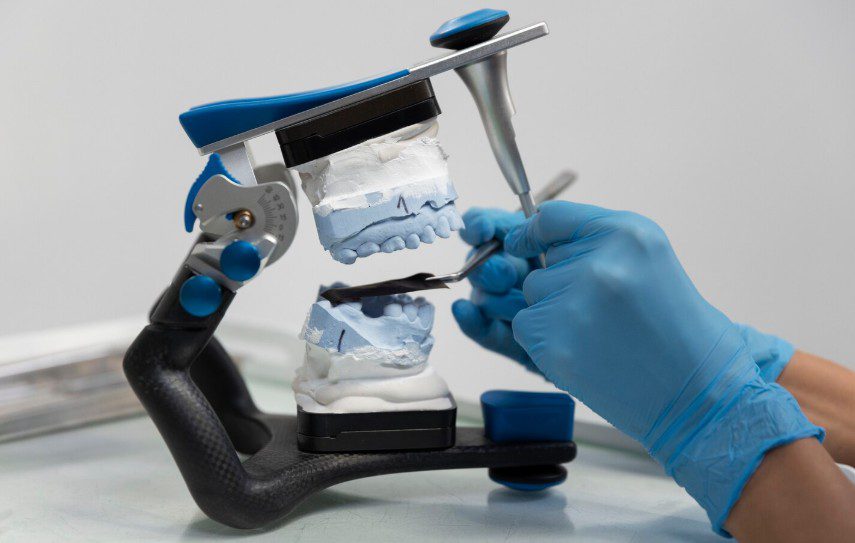
With CAD/CAM systems, restorations such as crowns, veneers, or bridges can be designed digitally and produced with very high accuracy. The advent of 3D printing further enables surgical guides, models, and even custom prosthetics to be fabricated in-house or in close collaboration with external labs. As a dentist or clinic manager, evaluate whether it makes sense to bring some of these workflows in-house or partner with a trusted digital supplier for rapid turnaround and high quality. - Partnering with a modern dental lab
A crucial component in the digital workflow is working with a lab that is equipped to receive digital files, work with CAD/CAM data, and deliver high-precision restorations. Whether you’re sending open-file STL scans or designing in-house and outsourcing production, the right partner can make all the difference. For instance, working with a specialist digital-forward dental lab ensures the transfer of digital data is seamless, the lab understands the implications of digital design parameters, and quality control is maintained at every step. - Improve patient experience and communication
Digital tools not only increase clinical precision, but they also improve how patients perceive and engage with treatment. Intraoral scans and digital models enable patients to see what the dentist sees; VR or AR tools can simulate outcomes; real-time treatment visualisation builds trust. The result? Fewer surprises, better acceptance of treatment plans, and more efficient chair-time. - Invest in team training and change management
Adopting digital advances isn’t just about buying equipment. Instead, develop the mindset that it’s about integrating technology into every process. The benefits of doing so are substantial, but only when clinicians and support staff are well trained and workflows are redesigned. Allocate time and budget for training, designate a digital workflow “champion” in your practice, and monitor how technology impacts turnaround times, fit quality, and patient satisfaction. - Monitor cost-benefit and ROI
Initial investment in digital dentistry can be significant. But over time, the efficiencies (less re-work, faster production, fewer visits) can pay dividends. It’s wise to track metrics: number of visits per case, patient satisfaction, and case acceptance. This allows you to justify the investment to stakeholders and calibrate which technologies deliver the most value in your specific setting. - Stay ahead of future trends
The pace of change in digital dentistry shows no sign of slowing. Recent literature points to AI-driven diagnostics, robotics, augmented reality surgical planning, and increased sophistication in digital data acquisition. Keeping an eye on these developments helps you plan for the next wave of advancement rather than always playing catch-up.
Conclusion
The integration of digital advances in dentistry is no longer optional; it’s becoming the standard for practices that wish to remain competitive, efficient, and patient-centric. In doing so, you’ll deliver better outcomes, greater patient satisfaction, and a stronger business model for the future.
 Kim Monroe
  Hailey Reynolds