

3 min read
562 words
Maintaining a healthy smile is about more than just addressing dental problems as they arise. Preventive care plays a crucial role in ensuring lifelong oral health. By focusing on proactive measures rather than reactive treatments, individuals can avoid many common dental issues, preserve their teeth, and enjoy a confident smile well into their later years.
The Importance of Regular Dental Check-Ups
Regular dental visits are the cornerstone of preventive care. Dentists can identify early signs of decay, gum disease, or other oral health issues before they become severe. For example, routine cleanings remove plaque and tartar build-up that brushing and flossing at home may miss. Early detection allows for simpler, less invasive treatments, reducing the risk of complex procedures in the future. Patients who maintain regular appointments with a dentist Kempston benefit from personalised guidance on oral hygiene, tailored to their specific dental needs.
Daily Oral Hygiene Habits
Preventive care extends far beyond the dental chair. Daily habits such as brushing twice a day with fluoride toothpaste and flossing once daily are essential. Proper technique ensures that hard-to-reach areas are cleaned effectively, reducing plaque accumulation and the risk of cavities. Mouthwash can complement these routines by targeting bacteria and freshening breath, while a balanced diet low in sugary foods helps prevent tooth decay. Small, consistent actions taken at home form the foundation of long-term oral health.
Fluoride Treatments and Sealants
Preventive dentistry also includes professional treatments that strengthen teeth and protect them from damage. Fluoride treatments help remineralise enamel, making teeth more resistant to decay. Similarly, dental sealants act as protective barriers for molars and premolars, preventing food particles and bacteria from causing cavities. These treatments are especially beneficial for children but can also benefit adults prone to cavities or those with a history of dental problems.
Early Intervention for Gum Health
Gum health is just as critical as tooth health. Gingivitis, the early stage of gum disease, is often painless and can go unnoticed without preventive care. Regular check-ups allow dentists to detect signs of gum inflammation early, providing interventions such as professional cleaning or lifestyle advice to prevent progression. Healthy gums are vital for supporting teeth, and taking preventive steps reduces the risk of tooth loss later in life.
Lifestyle Choices and Their Impact
Preventive care isn’t limited to dental procedures and hygiene practices; it also involves lifestyle decisions. Avoiding tobacco, limiting alcohol, and maintaining a nutrient-rich diet contribute significantly to oral health. Hydration is also key, as saliva helps neutralise acids and wash away debris. Educating oneself about these factors empowers individuals to make informed choices that protect their smile over a lifetime.
Building a Lifelong Partnership with Your Dentist
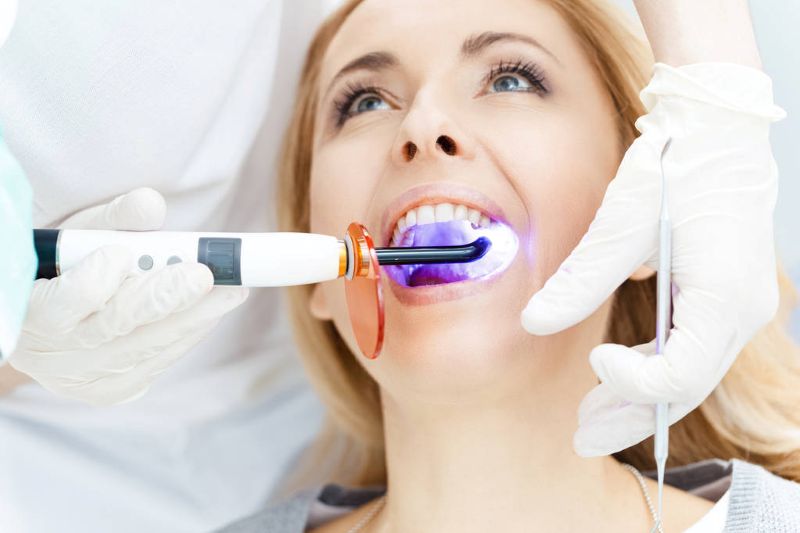
Developing a relationship with a trusted dentist is essential for preventive care. Regular visits help patients stay on track with oral health goals and provide an opportunity for dentists to offer guidance tailored to their needs. Building this partnership early encourages consistent care habits, making it easier to maintain healthy teeth and gums for life.
Conclusion
Preventive care is the foundation of lifelong oral health. By combining regular dental visits, diligent home care, professional treatments, and mindful lifestyle choices, individuals can prevent many common dental issues and maintain a bright, healthy smile. Taking these steps not only safeguards oral health but also enhances overall well-being, proving that investing in prevention today pays dividends for years to come.
 Jennifer Williams
  Kim Monroe
  Hailey Reynolds