
7 min read
1323 words
As the days shorten and the skies turn a perpetual shade of grey, many people experience a noticeable downturn in mood and energy—often referred to as the “Winter Blues” or, in more severe cases, Seasonal Affective Disorder (SAD). The combination of reduced sunlight, colder temperatures, and decreased time spent outdoors can leave us feeling lethargic, unmotivated, and isolated. While we cannot change the shift of the seasons, we can significantly alter our indoor environments to counteract these effects. Enter the humble houseplant. Integrating living green elements into our homes and workspaces is not merely a decorative trend; it is a proven, scientific strategy rooted in the principle of biophilia—the innate human tendency to seek connections with nature and other forms of life.
This informative guide explores the profound physiological and psychological benefits derived from indoor plants and offers a roadmap for cultivating a therapeutic living space designed to see you through the winter blues.
The Science of Green: Why Biophilia Matters
The concept of biophilia, popularized by biologist E.O. Wilson, suggests that our long evolutionary history spent in natural environments means that we are hardwired to thrive when nature is present. When we are disconnected from the natural world, our stress levels tend to rise.
In the winter, that disconnection is amplified. Lack of exposure to natural light and fresh air contributes to mental fatigue and reduced cognitive function. Introducing plants helps bridge this gap, providing visual cues of life, growth, and vitality that contrast sharply with the dormant world outside our windows. Studies have shown that even short periods of interaction with indoor plants can trigger measurable positive changes in the human body, transforming our indoor sanctuaries into restorative, health-promoting spaces.
The Physiological Impact: Cleaning the Air and Boosting Energy
Our modern homes, sealed tightly against the cold, often trap volatile organic compounds (VOCs) emitted by common household items such as cleaning products, upholstered furniture, paints, and synthetic materials. Prolonged exposure to these airborne toxins, like formaldehyde and benzene, can contribute to headaches, fatigue, and respiratory irritation, exacerbating feelings of malaise during the winter.
This is where plants perform essential, silent work.
Natural Air Filtration
Decades ago, NASA conducted the famous Clean Air Study, which identified numerous common houseplants capable of filtering out significant quantities of airborne toxins. Plants purify the air in two primary ways:
- Absorption through Leaves: Plants absorb gases, including carbon dioxide and pollutants, through the stomata (small pores) on their leaves, converting them into nutrients.
- Root and Soil Microorganism Interaction: The root and soil system plays a crucial role in breaking down chemical vapors absorbed from the air, metabolizing them into non-toxic compounds.
While a single houseplant won’t purify an entire high-VOC office building, establishing a dense collection of plants (often recommended at one plant per 100 square feet) can significantly improve air quality in enclosed spaces, leading to easier breathing and a reduction in pollutant-related fatigue.
Increasing Humidity and Reducing Illness
Winter air is notoriously dry, especially inside where central heating systems run constantly. Low humidity dries out the mucous membranes in the nose and throat, making us more susceptible to cold and flu viruses—a particular concern during the winter months.
Plants naturally release moisture vapor into the air through transpiration (a process similar to human sweating). This botanical ‘humidifier’ effect can raise the relative humidity in a room, which helps to alleviate dry skin, scratchy throats, and irritation, and may even make the indoor environment less hospitable to certain airborne pathogens.
The Visual Energy Boost
The vibrant green color of plants is known to be psychologically stimulating without being overly distracting. Unlike the dull browns and greys of the winter landscape, the presence of lush greenery provides a visual break for the eyes and a subconscious reminder of spring and growth, subtly countering the low-energy state associated with the winter months.
The Psychological Sanctuary: Reducing Stress and Increasing Focus
The mental toll of the winter blues often manifests as increased anxiety, difficulty concentrating, and general irritability. The introduction of plants into our personal spaces offers a direct and often immediate emotional antidote.
Lowering Cortisol Levels
Research published in the Journal of Physiological Anthropology found that active interaction with indoor plants can reduce both physiological and psychological stress. When participants were given a small task involving repotting plants, their heart rates decreased, and their cortisol levels—the primary stress hormone—were measured as lower than participants who completed a mental task instead.
Simply having plants nearby creates a more relaxed and nurturing environment. This immediate reduction in stress allows the nervous system to calm down, transforming the home from a place of necessary hiding into a place of restorative retreat.
Cultivating Mindfulness Through Care
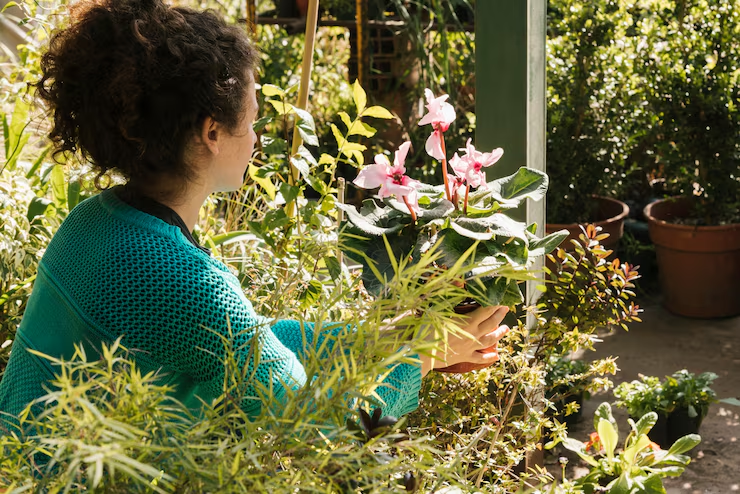
One of the most powerful psychological benefits of plant ownership during winter is the establishment of routine and purpose. When days blend together and motivation is low, caring for a living thing provides structure and a sense of accomplishment.
The act of watering, pruning, and observing a plant forces a momentary pause from digital screens and stressors. This micro-moment of therapeutic gardening requires mindfulness—paying attention to the soil moisture, the location of new growth, or the subtle signs of needing more light. This gentle, focused attention can be incredibly grounding and is a non-judgmental way to practice self-care by caring for something else.
Furthermore, plants offer a consistent, tangible reminder of the natural cycle of life. Witnessing dormant plants begin to push out new growth, even in the middle of a blizzard, reinforces the optimistic notion that cycles change, winter is finite, and growth is always possible.
Enhancing Concentration and Productivity
For those working or studying primarily from home, the presence of plants can significantly improve cognitive function. Studies often cite that visual access to plant life improves attention spans and memory retention. This is often attributed to the Attention Restoration Theory (ART), which suggests that natural environments help alleviate “directed attention fatigue” (the mental strain of focusing intensely) by engaging our “involuntary attention” (a softer, effortless observation). Instead of staring at a blank wall, allowing our gaze to rest on complex natural patterns in foliage provides a small, unconscious mental respite, making it easier to return to a demanding task.
Practical Plant Prescription: Selecting Your Indoor Allies
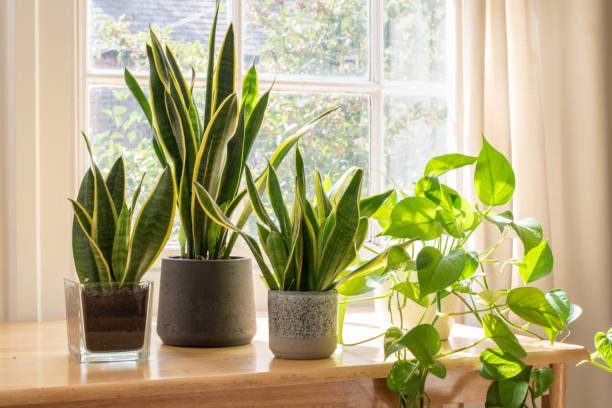
To reap the full benefits of biophilia during the dark winter months, choose plants that are known for resilience, air-purifying qualities, and an ability to thrive in lower light conditions:
| Plant Type | Key Benefit | Care Tip for Winter |
|---|---|---|
| Snake Plant (Sansevieria) | Excellent air purifier (formaldehyde, benzene); extremely low light tolerance; releases oxygen at night. | Water very sparingly; over-watering is the fastest way to kill it. |
| Pothos (Epipremnum aureum) | Very forgiving; great for beginners; fast growth provides a visual boost; air purification. | Can tolerate low light but thrive with bright, indirect light; allow soil to dry completely between waterings. |
| Spider Plant (Chlorophytum comosum) | Highly effective at removing carbon monoxide; produces “babies” (plantlets), offering therapeutic propagation opportunities. | Loves bright, indirect light; appreciates consistent moisture but hates soggy soil. |
| Peace Lily (Spathiphyllum) | Adds humidity; removes mold spores; distinctive white flowers offer visual contrast. | Will droop dramatically when thirsty, making care instructions clear; keep out of cold drafts. |
| ZZ Plant (Zamioculcas zamiifolia) | Near-indestructible; thrives in very low light; ideal for gloomy corners or offices. | Treat almost like a succulent; water infrequently (once a month is often enough in winter). |
Cultivating Wellness
The fight against the winter blues does not always require drastic measures or expensive vacations. Sometimes, the most powerful therapy is found in nurturing a small patch of life right inside our homes.
By thoughtfully curating your indoor environment with plants, you are doing more than decorating; you are investing in a sustainable, natural strategy for mental resilience. Embrace the routine of care, appreciate the quiet oxygen the leaves provide, and allow the vibrant green of your indoor sanctuary to serve as a constant, gentle reminder that warmth and growth are always within reach.
 Kim Monroe
  Hailey Reynolds